![[Marketing] Primeira Questao](https://storage.estuda.com.br/banners/0_6e09902a8e108d73cce3c7b9272eb1de_simulado_home_treineiro_desk.png)
Questão 22 - UPE SSA 1ª Fase - 1° Dia 2025
Text 9
How misinformation on social media has changed news
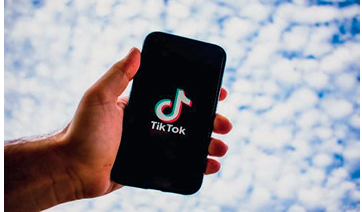
Misinformation on TikTok can get dangerous.
[1] When a tourist submersible lost contact during a dive to view the wreckage of the Titanic last month, the international rescue operation caught the attention of millions around the world. The rescue failed, and on June 25th, a video on TikTok broadcasted the screams of the passengers in their final moments. In just 10 days, the video had 4.9 million viewers who heard the five victims’ last cries.
[2] Except they hadn’t. The audio wasn’t from the submersible at all – it was from the video gameseries Five Nights at Freddy’s. But the TikTok went viral fast, and it spread a lot further than the fact-checked truth.
[3] On social media, news is entertainment
Today, more than 8 in 10 Americans get their news on digital devices – beating out TV, radio or print. Among 18–29-year-olds, social media is the most common news source. They aren’t the only ones turning to platforms for information; 53% of Americans get at least some of their news from social media.Twitter, Facebook, and TikTok have all become pseudo-news platforms.
[4] When news started migrating to social media, it accelerated some of the changes already underway in the journalism industry. In the 50s and 60s, TV news in particular was more viewed by broadcasters as a public service. In the 80s, however, entertainment conglomerates began buying up networks and started expecting news networks to turn profits like other entertainment divisions.
[5] With the shift to social media, these dynamics have intensified. When anyone can be a journalist, content is near-endless and easily capable of supplying social media feeds with hundreds of 24-hour news cycles. Instead of opinion sections or dedicated programs for pundits, social feeds mix opinions and facts together. And the more outlandish a story, the better it does.
[6] With fast-paced, sensationalized news coverage and opinion-having taken to its extreme, more of what we see online is misinformation – content that simply gets the facts wrong. […]
[7] Why is there so much misinformation?
Anyone with a social media account can become a “news” source. For individuals and outlets posting news, the goal is almost always to get seen by as many people as possible.
[8] Researchers at MIT have found that fake news can spread up to 10 times faster than true reporting on social media. When explosive, misinforming posts go viral, their corrections are never as widely viewed or believed. The outrageous “fact” that blasts through audiences is louder, stickier, and more interesting than a follow-up correction. In the race between the false but interesting and the true but boring, the interesting story wins.
By
Anastasia Micich - Intern, Don't Sell My Data campaign
R.J. Cross - Director, Don't Sell My Data Campaign, U.S. PIRG Education Fund
Disponível em: https://pirg.org/edfund/articles/misinformation-on-social-media/ Acesso em: 22 jun. 2024. Adaptado.
Sobre o 1º parágrafo do Text 9, considerando o contexto e a gramática da língua inglesa, é CORRETO afirmar que

Sua aprovação tá logo ali. Só falta um clique
Cadastre-se grátis e libere o acesso a um mundo de estudos com:
- Questões filtradas por matéria, prova e dificuldade
- Comentários explicativos para aprofundar seus estudos
- Conteúdo exclusivo que te dá vantagem na reta final