


![[Marketing] Questao Topo - deslogado](https://storage.estuda.com.br/banners/0_6b7ebee90b03af1c560c73bb8bcce34a_banner_deslogado_70_dias.png)
Questões de Inglês
19.971 Questões
Questão 19 6303283
UFT Manhã 2022/1Read the following text in order to answer QUESTION.
Deadly Attraction: Why Sea Turtles Eat Ocean Plastics
One week is all it takes for a piece of plastic floating in the ocean to begin to smell like turtle food.
New research from the University of North Carolina at Chapel Hill shows that plastics floating in the ocean build a coating of algae and microorganisms that smells edible to turtles. The study, “Odors from marine plastic debris elicit foraging behavior in sea turtles,” was published March 9 in the journal Current Biology. The Carolina team worked on the study with lead author Joe Pfaller from the Caretta Research Project in Savannah, Georgia.
“This finding is important because it’s the first demonstration that the odor of ocean plastics causes animals to eat them,” said Kenneth J. Lohmann, Charles P. Postelle, Jr. Distinguished Professor of Biology at Carolina. “It’s common to find loggerhead turtles with their digestive systems fully or partially blocked because they’ve eaten plastic materials. There also are increasing reports of sea turtles that have become ill and stranded on the beach due to their ingestion of plastic.”
The most important thing people can do to help is to prevent plastics from going into the ocean in the first place. Some practical steps include recycling, properly disposing of trash and recyclables after a trip to the beach or after a boat trip, using reusable or paper shopping bags, and buying larger containers of drinks instead of numerous small drink containers held together with plastic rings.
To understand sea turtle behavior around ocean plastics, the research team compared how sea turtles in a lab setting reacted to smelling odors of turtle food, ocean-soaked plastic, clean plastic and water. The turtles ignored the scents of clean plastic and water, but responded to the odors of food and ocean-soaked plastics by showing foraging behavior. This included poking their noses out of the water repeatedly as they tried to smell the food source, and increasing their activity as they searched. The turtles did not ingest plastics during the experiments and were released into the ocean after the study. “Very young turtles feed at the surface, and plastics that float on the surface of the ocean affect them,” said Kayla M. Goforth, a Carolina biology doctoral student who worked on the study. “Older turtles feed further down in the water column, sometimes on the ocean bottom. Regardless of where plastics are distributed in the ocean, turtles are likely to eat them.”
The study raises questions about a number of long-term impacts plastics may have on all ocean species, the researchers said.
“In parts of the Pacific Ocean there are huge areas covered with floating plastic debris,” Lohmann said. “One concern this study raises is that dense concentrations of plastics may make turtles – or other species – think the area is an abundant source of food. These areas may draw in marine mammals, fish and birds because the area smells like a good foraging ground. Once these plastics are in the ocean, we don’t have a good way to remove them or prevent them from smelling like food. The best thing we can do is to keep plastic from getting into the ocean at all.”
Available at: https://scitechdaily.com/deadly-attraction-why-sea-turtles-eat-oceanplastics/
According to the text, it is CORRECT to affirm:
Questão 18 6303282
UFT Manhã 2022/1Read the following text in order to answer QUESTION.
Deadly Attraction: Why Sea Turtles Eat Ocean Plastics
One week is all it takes for a piece of plastic floating in the ocean to begin to smell like turtle food.
New research from the University of North Carolina at Chapel Hill shows that plastics floating in the ocean build a coating of algae and microorganisms that smells edible to turtles. The study, “Odors from marine plastic debris elicit foraging behavior in sea turtles,” was published March 9 in the journal Current Biology. The Carolina team worked on the study with lead author Joe Pfaller from the Caretta Research Project in Savannah, Georgia.
“This finding is important because it’s the first demonstration that the odor of ocean plastics causes animals to eat them,” said Kenneth J. Lohmann, Charles P. Postelle, Jr. Distinguished Professor of Biology at Carolina. “It’s common to find loggerhead turtles with their digestive systems fully or partially blocked because they’ve eaten plastic materials. There also are increasing reports of sea turtles that have become ill and stranded on the beach due to their ingestion of plastic.”
The most important thing people can do to help is to prevent plastics from going into the ocean in the first place. Some practical steps include recycling, properly disposing of trash and recyclables after a trip to the beach or after a boat trip, using reusable or paper shopping bags, and buying larger containers of drinks instead of numerous small drink containers held together with plastic rings.
To understand sea turtle behavior around ocean plastics, the research team compared how sea turtles in a lab setting reacted to smelling odors of turtle food, ocean-soaked plastic, clean plastic and water. The turtles ignored the scents of clean plastic and water, but responded to the odors of food and ocean-soaked plastics by showing foraging behavior. This included poking their noses out of the water repeatedly as they tried to smell the food source, and increasing their activity as they searched. The turtles did not ingest plastics during the experiments and were released into the ocean after the study. “Very young turtles feed at the surface, and plastics that float on the surface of the ocean affect them,” said Kayla M. Goforth, a Carolina biology doctoral student who worked on the study. “Older turtles feed further down in the water column, sometimes on the ocean bottom. Regardless of where plastics are distributed in the ocean, turtles are likely to eat them.”
The study raises questions about a number of long-term impacts plastics may have on all ocean species, the researchers said.
“In parts of the Pacific Ocean there are huge areas covered with floating plastic debris,” Lohmann said. “One concern this study raises is that dense concentrations of plastics may make turtles – or other species – think the area is an abundant source of food. These areas may draw in marine mammals, fish and birds because the area smells like a good foraging ground. Once these plastics are in the ocean, we don’t have a good way to remove them or prevent them from smelling like food. The best thing we can do is to keep plastic from getting into the ocean at all.”
Available at: https://scitechdaily.com/deadly-attraction-why-sea-turtles-eat-oceanplastics/
According to the text, it is INCORRECT to affirm:
Questão 17 6303266
UFT Manhã 2022/1Read the following text in order to answer QUESTION.
Deadly Attraction: Why Sea Turtles Eat Ocean Plastics
One week is all it takes for a piece of plastic floating in the ocean to begin to smell like turtle food.
New research from the University of North Carolina at Chapel Hill shows that plastics floating in the ocean build a coating of algae and microorganisms that smells edible to turtles. The study, “Odors from marine plastic debris elicit foraging behavior in sea turtles,” was published March 9 in the journal Current Biology. The Carolina team worked on the study with lead author Joe Pfaller from the Caretta Research Project in Savannah, Georgia.
“This finding is important because it’s the first demonstration that the odor of ocean plastics causes animals to eat them,” said Kenneth J. Lohmann, Charles P. Postelle, Jr. Distinguished Professor of Biology at Carolina. “It’s common to find loggerhead turtles with their digestive systems fully or partially blocked because they’ve eaten plastic materials. There also are increasing reports of sea turtles that have become ill and stranded on the beach due to their ingestion of plastic.”
The most important thing people can do to help is to prevent plastics from going into the ocean in the first place. Some practical steps include recycling, properly disposing of trash and recyclables after a trip to the beach or after a boat trip, using reusable or paper shopping bags, and buying larger containers of drinks instead of numerous small drink containers held together with plastic rings.
To understand sea turtle behavior around ocean plastics, the research team compared how sea turtles in a lab setting reacted to smelling odors of turtle food, ocean-soaked plastic, clean plastic and water. The turtles ignored the scents of clean plastic and water, but responded to the odors of food and ocean-soaked plastics by showing foraging behavior. This included poking their noses out of the water repeatedly as they tried to smell the food source, and increasing their activity as they searched. The turtles did not ingest plastics during the experiments and were released into the ocean after the study. “Very young turtles feed at the surface, and plastics that float on the surface of the ocean affect them,” said Kayla M. Goforth, a Carolina biology doctoral student who worked on the study. “Older turtles feed further down in the water column, sometimes on the ocean bottom. Regardless of where plastics are distributed in the ocean, turtles are likely to eat them.”
The study raises questions about a number of long-term impacts plastics may have on all ocean species, the researchers said.
“In parts of the Pacific Ocean there are huge areas covered with floating plastic debris,” Lohmann said. “One concern this study raises is that dense concentrations of plastics may make turtles – or other species – think the area is an abundant source of food. These areas may draw in marine mammals, fish and birds because the area smells like a good foraging ground. Once these plastics are in the ocean, we don’t have a good way to remove them or prevent them from smelling like food. The best thing we can do is to keep plastic from getting into the ocean at all.”
Available at: https://scitechdaily.com/deadly-attraction-why-sea-turtles-eat-oceanplastics/
Analyze the following assertions:
I. research shows turtles’ forage behavior.
II. research shows how turtles behave around ocean plastics.
III. research shows that the smelling of clean plastic takes turtles to eat it.
IV. research shows that turtles eat plastics floating at the surface or down the ocean.
Mark the CORRECT alternative.
Questão 30 6285121
UNESP 2022/2Leia o quadrinho para responder a questão.

O personagem Frank representa
Questão 28 6284853
UNESP 2022/2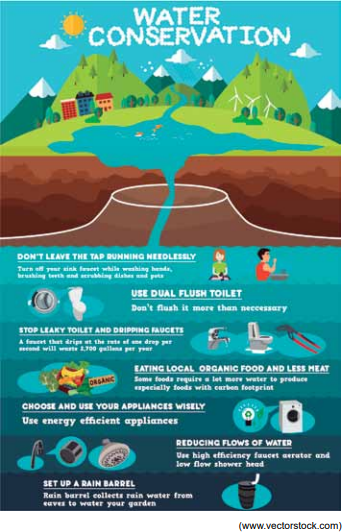
No infográfico, a recomendação para economizar água que pode ser adotada imediatamente por todos e não implica custos adicionais é
Questão 27 6284779
UNESP 2022/2Leia o texto para responder a questão.
Water and Urbanization

A view of passengers aboard trains connecting the suburbs of Kolkata, India. The Asia-Pacific region is urbanizing rapidly with 1.77 billion people, 43% of the region’s population, living in urban areas
Urban areas are expected to absorb all of the world’s population growth over the next four decades, as well as accommodating significant rural-to-urban migration. The vast majority of these people will be living in overcrowded slums with inadequate, often non-existent, water and sanitation services.
Safe drinking water systems and adequate sanitation that effectively disposes of human waste will be essential to ensure cities and towns grow sustainably. Extending these services to the millions of urbanites currently unserved will play a key role in underpinning the health and security of cities, protecting economies and ecosystems and minimising the risk of pandemics.
For the first time in history, more than half of the global population live in towns and cities. By 2050, that proportion is expected to rise to two-thirds. Population growth is happening fastest in urban areas of less developed regions, with the urban population estimated to grow from 3.9 billion people today to 6.3 billion in 2050.
Even though water and sanitation access rates are generally higher in urban areas than rural, planning and infrastructure have been unable to keep pace in many regions. Today, 700 million urbanites live without improved sanitation, contributing to poor health conditions and heavy pollution loads in wastewater, and 156 million live without improved water sources.
However, cities provide significant opportunities for more integrated and sustainable water use and waste management. The positive impacts of these services, particularly for public health, spread rapidly and cost-effectively among densely populated unplanned settlements. Furthermore, more efficient use of water within cities and the safe reuse of more waste will put less strain on the surrounding ecosystems.
(www.unwater.org. Adaptado.)
No trecho do quarto parágrafo, “Even though water and sanitation access rates are generally higher in urban areas”, a expressão sublinhada pode ser substituída, sem alteração de sentido, por
06