


![[Marketing] Questao Topo - deslogado](https://storage.estuda.com.br/banners/0_6b7ebee90b03af1c560c73bb8bcce34a_banner_deslogado_70_dias.png)
Questões de Inglês
19.971 Questões
Questão 45 9513998
ESPM 2023/1Drink Up, Japan Tells Young People. I’ll Pass, Many Reply.
The country’s tax agency, hoping to reverse the alcohol industry’s pandemic doldrums, is holding a contest to encourage more drinking among the young.
By Hikari Hida and John Yoon Aug. 19, 2022
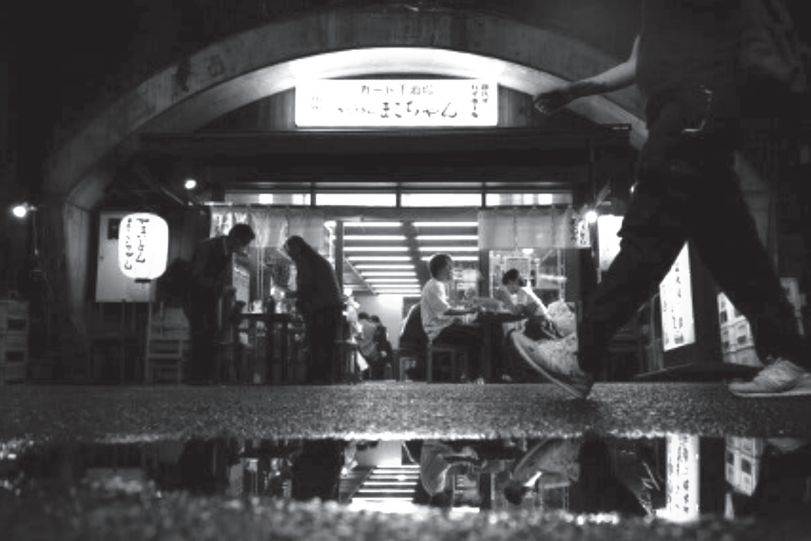
TOKYO — Among the casualties of the pandemic is one that many young people in Japan say they do not miss: the drinking culture.
Sobriety, they have decided after two years of less socializing and nightcrawling, has its advantages. And that’s why a new message from the Japanese government — drink up! — seems to be putting few in the spirit.
To bolster its ailing alcohol industry, Japan’s National Tax Agency has kicked off a contest inviting those ages 20 to 39 to submit ideas for encouraging people to consume more alcohol. It named the project after the national beverage: “Sake Viva!”
The agency says it hopes to “revitalize the industry” with the contest, whose winner is to be selected in a tournament later this year. But its entreaty is clashing with more than two years of actions by the government, which discouraged alcohol sales at restaurants and bars and put up signs forbidding drinking in parks and in the streets.
With Japan reaching new highs in coronavirus infections, including over 255,000 new cases on Thursday, many young people are wondering why the government is now saying it’s OK to go out and drink.
“The media is announcing record Covid cases, while restaurants are like, don’t talk while eating, wear a mask,” said
Chika Kato, a 27-year-old consultant in Tokyo. “But the government is at the same time asking us to go all out and drink.”
“It’s an awkward situation,” she added. “Who do I listen to?”
To some, any official encouragement to drink — pandemic or not — is a bad idea.
“I don’t think it is a good thing to make people who don’t drink, drink,” said Mima Matsumaru, 25, who works in advertising. After using the pandemic as a chance to stop drinking, she said she didn’t miss it very much anyway.
None of the Japanese alcohol makers have signed on to the initiative. But bar owners praised it.
In Ginza, one of Tokyo’s popular nightlife districts, the pubs remained dimly lit and mostly quiet on Thursday night. “I hope this helps Ginza come alive again,” said Kenta Kobayashi, 34, a bartender who has seen a drastic drop in sales since the pandemic began.
On average, people in Japan drank about 20 gallons of alcohol in 2020, down from 26 gallons in 1995, according to government data. The decline has hurt lucrative tax revenues: Levies on alcohol accounted for 1.7 percent of Japan’s tax revenue (about $8 billion) in 2020, down from 3 percent in 2011 and 5 percent in 1980.
Under the Japan tax agency’s contest, participants may propose new products and designs targeting young people, even sales techniques involving artificial intelligence or the metaverse. As long as submissions are written in Japanese, they may come from anywhere. The winning entry will be commercialized.
The contest’s organizers said that overindulgence was not the goal, adding that people should drink only “the appropriate amount” and take “common sense” measures against contracting the virus. “We are in no way promoting excessive drinking among young people,” said Ryo Tsukamoto, a spokesman for the agency’s alcohol tax division.
But critics worried about unintended consequences. Hidetomi Tanaka, an economist, called the effort an “irresponsible and unorthodox drinking campaign.” About one million Japanese suffer from alcoholism, while about 9.8 million others are potentially addicted, according to research by the Japanese Health Ministry.
Worldwide, the pandemic has brought down alcohol consumption among younger adults. In South Korea, consumption of soju dropped by 14 percent from 2019 to 2020 and beer consumption by 23 percent, leading to the nation’s lowest revenue in alcohol taxes in 10 years. In the United States, the prevalence of binge drinking among young adults surveyed dropped to 26 percent in 2020, after remaining at about 30 percent from 2015 to 2019, a study showed.
Neither country’s government has gone as far as to promote drinking. In France, though, lawmakers once considered promoting wine consumption when wine exports and domestic sales fell off the table in 2004. Included in their recommendations was a program encouraging young people to “educate their tastes.”
Disponível em: https://www.nytimes.com/2022/08/19/ world/asia/japan-alcohol-contest.html. Acesso em 30/08/2022
doldrums, ailing, entreaty, awkward, binge
The meanings of the words above, boldfaced in the article, are, respectively:
Questão 42 9513977
ESPM 2023/1Drink Up, Japan Tells Young People. I’ll Pass, Many Reply.
The country’s tax agency, hoping to reverse the alcohol industry’s pandemic doldrums, is holding a contest to encourage more drinking among the young.
By Hikari Hida and John Yoon Aug. 19, 2022
TOKYO — Among the casualties of the pandemic is one that many young people in Japan say they do not miss: the drinking culture.
Sobriety, they have decided after two years of less socializing and nightcrawling, has its advantages. And that’s why a new message from the Japanese government — drink up! — seems to be putting few in the spirit.
To bolster its ailing alcohol industry, Japan’s National Tax Agency has kicked off a contest inviting those ages 20 to 39 to submit ideas for encouraging people to consume more alcohol. It named the project after the national beverage: “Sake Viva!”
The agency says it hopes to “revitalize the industry” with the contest, whose winner is to be selected in a tournament later this year. But its entreaty is clashing with more than two years of actions by the government, which discouraged alcohol sales at restaurants and bars and put up signs forbidding drinking in parks and in the streets.
With Japan reaching new highs in coronavirus infections, including over 255,000 new cases on Thursday, many young people are wondering why the government is now saying it’s OK to go out and drink.
“The media is announcing record Covid cases, while restaurants are like, don’t talk while eating, wear a mask,” said
Chika Kato, a 27-year-old consultant in Tokyo. “But the government is at the same time asking us to go all out and drink.”
“It’s an awkward situation,” she added. “Who do I listen to?”
To some, any official encouragement to drink — pandemic or not — is a bad idea.
“I don’t think it is a good thing to make people who don’t drink, drink,” said Mima Matsumaru, 25, who works in advertising. After using the pandemic as a chance to stop drinking, she said she didn’t miss it very much anyway.
None of the Japanese alcohol makers have signed on to the initiative. But bar owners praised it.
In Ginza, one of Tokyo’s popular nightlife districts, the pubs remained dimly lit and mostly quiet on Thursday night. “I hope this helps Ginza come alive again,” said Kenta Kobayashi, 34, a bartender who has seen a drastic drop in sales since the pandemic began.
On average, people in Japan drank about 20 gallons of alcohol in 2020, down from 26 gallons in 1995, according to government data. The decline has hurt lucrative tax revenues: Levies on alcohol accounted for 1.7 percent of Japan’s tax revenue (about $8 billion) in 2020, down from 3 percent in 2011 and 5 percent in 1980.
Under the Japan tax agency’s contest, participants may propose new products and designs targeting young people, even sales techniques involving artificial intelligence or the metaverse. As long as submissions are written in Japanese, they may come from anywhere. The winning entry will be commercialized.
The contest’s organizers said that overindulgence was not the goal, adding that people should drink only “the appropriate amount” and take “common sense” measures against contracting the virus. “We are in no way promoting excessive drinking among young people,” said Ryo Tsukamoto, a spokesman for the agency’s alcohol tax division.
But critics worried about unintended consequences. Hidetomi Tanaka, an economist, called the effort an “irresponsible and unorthodox drinking campaign.” About one million Japanese suffer from alcoholism, while about 9.8 million others are potentially addicted, according to research by the Japanese Health Ministry.
Worldwide, the pandemic has brought down alcohol consumption among younger adults. In South Korea, consumption of soju dropped by 14 percent from 2019 to 2020 and beer consumption by 23 percent, leading to the nation’s lowest revenue in alcohol taxes in 10 years. In the United States, the prevalence of binge drinking among young adults surveyed dropped to 26 percent in 2020, after remaining at about 30 percent from 2015 to 2019, a study showed.
Neither country’s government has gone as far as to promote drinking. In France, though, lawmakers once considered promoting wine consumption when wine exports and domestic sales fell off the table in 2004. Included in their recommendations was a program encouraging young people to “educate their tastes.”
Disponível em: https://www.nytimes.com/2022/08/19/ world/asia/japan-alcohol-contest.html. Acesso em 30/08/2022
The second paragraph of the article reads: “And that’s why a new message from the Japanese government — drink up! — seems to be putting few in the spirit”.
From this sentence, one can say that:
Questão 41 9513962
ESPM 2023/1Drink Up, Japan Tells Young People. I’ll Pass, Many Reply.
The country’s tax agency, hoping to reverse the alcohol industry’s pandemic doldrums, is holding a contest to encourage more drinking among the young.
By Hikari Hida and John Yoon Aug. 19, 2022
TOKYO — Among the casualties of the pandemic is one that many young people in Japan say they do not miss: the drinking culture.
Sobriety, they have decided after two years of less socializing and nightcrawling, has its advantages. And that’s why a new message from the Japanese government — drink up! — seems to be putting few in the spirit.
To bolster its ailing alcohol industry, Japan’s National Tax Agency has kicked off a contest inviting those ages 20 to 39 to submit ideas for encouraging people to consume more alcohol. It named the project after the national beverage: “Sake Viva!”
The agency says it hopes to “revitalize the industry” with the contest, whose winner is to be selected in a tournament later this year. But its entreaty is clashing with more than two years of actions by the government, which discouraged alcohol sales at restaurants and bars and put up signs forbidding drinking in parks and in the streets.
With Japan reaching new highs in coronavirus infections, including over 255,000 new cases on Thursday, many young people are wondering why the government is now saying it’s OK to go out and drink.
“The media is announcing record Covid cases, while restaurants are like, don’t talk while eating, wear a mask,” said
Chika Kato, a 27-year-old consultant in Tokyo. “But the government is at the same time asking us to go all out and drink.”
“It’s an awkward situation,” she added. “Who do I listen to?”
To some, any official encouragement to drink — pandemic or not — is a bad idea.
“I don’t think it is a good thing to make people who don’t drink, drink,” said Mima Matsumaru, 25, who works in advertising. After using the pandemic as a chance to stop drinking, she said she didn’t miss it very much anyway.
None of the Japanese alcohol makers have signed on to the initiative. But bar owners praised it.
In Ginza, one of Tokyo’s popular nightlife districts, the pubs remained dimly lit and mostly quiet on Thursday night. “I hope this helps Ginza come alive again,” said Kenta Kobayashi, 34, a bartender who has seen a drastic drop in sales since the pandemic began.
On average, people in Japan drank about 20 gallons of alcohol in 2020, down from 26 gallons in 1995, according to government data. The decline has hurt lucrative tax revenues: Levies on alcohol accounted for 1.7 percent of Japan’s tax revenue (about $8 billion) in 2020, down from 3 percent in 2011 and 5 percent in 1980.
Under the Japan tax agency’s contest, participants may propose new products and designs targeting young people, even sales techniques involving artificial intelligence or the metaverse. As long as submissions are written in Japanese, they may come from anywhere. The winning entry will be commercialized.
The contest’s organizers said that overindulgence was not the goal, adding that people should drink only “the appropriate amount” and take “common sense” measures against contracting the virus. “We are in no way promoting excessive drinking among young people,” said Ryo Tsukamoto, a spokesman for the agency’s alcohol tax division.
But critics worried about unintended consequences. Hidetomi Tanaka, an economist, called the effort an “irresponsible and unorthodox drinking campaign.” About one million Japanese suffer from alcoholism, while about 9.8 million others are potentially addicted, according to research by the Japanese Health Ministry.
Worldwide, the pandemic has brought down alcohol consumption among younger adults. In South Korea, consumption of soju dropped by 14 percent from 2019 to 2020 and beer consumption by 23 percent, leading to the nation’s lowest revenue in alcohol taxes in 10 years. In the United States, the prevalence of binge drinking among young adults surveyed dropped to 26 percent in 2020, after remaining at about 30 percent from 2015 to 2019, a study showed.
Neither country’s government has gone as far as to promote drinking. In France, though, lawmakers once considered promoting wine consumption when wine exports and domestic sales fell off the table in 2004. Included in their recommendations was a program encouraging young people to “educate their tastes.”
Disponível em: https://www.nytimes.com/2022/08/19/ world/asia/japan-alcohol-contest.html. Acesso em 30/08/2022
The article states that:
Questão 9 9512501
PUC-RS Verão - Medicina 2023Responder às questão com base no texto.
TEXTO
STATELESSNESS
NEWSLETTER
#IBELONG CAMPAIGN
Celebrating its 6th anniversary

The #IBelong Campaign marked its 6th year anniversary in November. On this occasion, several activities took place in the region _________ awareness about statelessness, the importance of _________ and the role of the UNHCR, governments and civil society in _________ an end to statelessness in the region.
Source: https://data.unhcr.org/en/documents/ download/84004
The alternative that presents three verbs that can relate to the message of Text is
Questão 8 9512095
PUC-RS Verão - Medicina 2023Responder às questão com base no texto.
TEXTO
STATELESSNESS
NEWSLETTER
#IBELONG CAMPAIGN
Celebrating its 6th anniversary
The #IBelong Campaign marked its 6th year anniversary in November. On this occasion, several activities took place in the region _________ awareness about statelessness, the importance of _________ and the role of the UNHCR, governments and civil society in _________ an end to statelessness in the region.
Source: https://data.unhcr.org/en/documents/ download/84004
The words that fill in the blanks correctly in Text are, respectively,
Questão 7 9512094
PUC-RS Verão - Medicina 2023Responder à questão com base no texto
TEXTO
Asylum-seeker smuggling is a symptom, not a root cause
Robert Falconer/Craig D. Smith - Jan 31, 2022.
Earlier this month, the Patels – a family of four from
India – died of cold exposure trying to walk south
through the Canada-U.S. border, near Emerson, Man.
Canadian politicians and news media, rather than look
[5] at how policies incentivize such irregular migration and
produce such tragedies, have been quick to parrot
rhetoric from other rich countries, speculating about
the responsibility of criminal smugglers and wider
networks of nefarious actors. “It is so tragic to see a
[10] family perish like this, victims of human traffickers,
misinformation and people who have taken advantage
of their desire to build a better world,” Prime Minister
Justin Trudeau said.
The U.S., which for decades has forced irregular
[15] migrants to make deadly desert crossings, has
criminalized humanitarian groups as smugglers. But
while the man arrested in the Patels’ case allegedly
sought to profit from their desperation, he did not
cause it.
[20] What the political rhetoric around irregular migration
misses is that human smuggling is a symptom of the
friction between the desire to migrate or find protection,
and the absence of safe and legal pathways to do so.
Prohibition in the face of high demand only fosters illicit
[25] markets, and cracking down on small-time criminals
addresses symptoms, not the causes.
______ 2004, Canada and the U.S. have returned
asylum seekers to each other ______ a Safe Third
Country Agreement (STCA), which applies only
[30] to official ports ______ entry, leading to what is
often called a “loophole” in the agreement. In fact,
governmental discussions in 2001 recognized that
sealing the border would mean more smuggling and
a larger undocumented population.
[35] Many asylum seekers have crossed between border
points to avoid being returned to the U.S., where
they would likely face imprisonment and deportation.
The route the Patels were using developed precisely
because the STCA incentivized irregular crossings.
[40] Canada is at a crossroads. It can choose hard line
policies to the benefit of the Canadian security
establishment and create more smugglers, even as its
politicians heap blame on them when tragedy strikes.
Or it can choose to manage the border by investing
[45] in a timelier, fairer asylum system and rethinking how
it responds to demand for migration
Source: https://www.theglobeandmail.com/opinion/ article-asylum-seeker-smuggling-is-a-symptom-not-a-root-cause/
Choose the alternative that best expresses the idea presented in this excerpt (lines 40 to 43).
“It can choose hard line policies to the benefit of the Canadian security establishment and create more smugglers, even as its politicians heap blame on them when tragedy strikes.”
06