


![[Marketing] Questao Topo - deslogado](https://storage.estuda.com.br/banners/0_6b7ebee90b03af1c560c73bb8bcce34a_banner_deslogado_70_dias.png)
Questões de Inglês
19.971 Questões
Questão 41 15046940
UVV Demais Cursos 2025Could AI save your pet's life?
"She's my world," said Anthea Slade, as she clutched her seven-year-old cat Blossom in the waiting room at Royston Veterinary Centre. It is a sentiment felt by many pet owners, but Ms Slade just came very close to losing her companion to an aggressive cancer and is convinced artificial intelligence (AI) played a big role in saving her.
"She had a runny nose. I thought it was a bit of a cold, but then it started bleeding and I knew I had to get help, so I brought her here," she said.
"Within hours, they knew what it was, they operated, and Blossom's still here."
The surgery on the Hertfordshire/Cambridgeshire border is one of a growing number of veterinary practices which use AI to speed up the diagnosis of illnesses in animals.
Ms Slade, who lives in Royston, said: "The technology saved her life, I'm sure it did.
"They said any longer and her chances of survival would have been very slim."
The centre's clinical director Dr David White believes the technology also makes the diagnosis more accurate.
"Yesterday I saw a dog with a nasty tumour," he said.
"Without AI I'd have had to remove the tumour and possibly part of the dog's toe, but the AI allowed me to see it was a tumour that will get better by itself, so it saved the stress and expense of surgery.
"Traditionally it was a lot of trial and error- 'We'll try this treatment and if it doesn't work we'll scratch our heads again'.
"AI means I can diagnose and treat with confidence and so it's no more expensive to the pet owner because we're more likely to get it right first time."
Disponível em: www.bbc.com. Acesso em: 05/07/2024.
More likely is in bold in the last paragraph of the text. What does it mean?
Questão 60 15037366
UNIPAM 2025Read the comic strip and do what is asked.
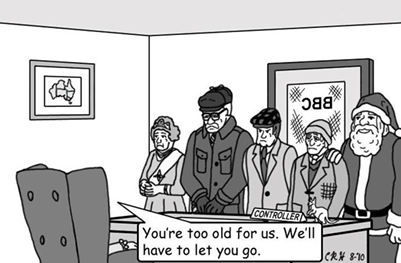
(Taken from: https://www.deviantart.com/mst3claye/art/Summer-Wine-Ageism-177476121)
In the text Ageism and Age Discrimination, some types of ageism are presented.
The comic strip is an example of:
Questão 59 15037346
UNIPAM 2025Ageism and Age Discrimination
By Sheldon Reid
What is ageism?
Ageism involves stereotyping or discriminating against people based on their age and can occur both in the workplace and in personal life. Ageism can be directed at older adults and young people alike. However, our culture tends to glorify youth, so older adults are more often the victims of age-based discrimination and negativity.
Ageism can take root early in life. Even as children, we begin to pick up on the idea that aging is an unsatisfying process and older adults are incapable of taking care of themselves. These messages can show up in the media we consume. Just picture commercials that promise to reverse “unsightly” age lines or television shows that depict older adults as clueless and frail. Ageist messaging can also be passed along through jokes and casual comments from family members and friends.
Ageism is often considered more acceptable by society than racism and sexism, but like those issues, it can’t be solved overnight. However, that doesn’t mean you should turn a blind eye and accept unfair treatment. There are many steps you can take to address the problem and challenge ageism. By doing so, you not only improve your own well-being, but you also help create a more open-minded culture in which stereotypes hold less sway and discrimination is less prevalent.
Types of ageism
Like sexism and racism, ageism can come in many forms, ranging from disrespect in one-on-one interactions to systemic inequalities.
Interpersonal ageism takes place between individuals. Imagine a supervisor who refuses to give you newer assignments due to your age. Or picture a family member who likes to make subtle jabs like, “We don’t expect you to keep up with us.” If you’re an older adult, this kind of dismissive language can make you feel humiliated, frustrated, and undervalued. It can also give way to self directed ageism.
Self-directed ageism is when you internalize a negative attitude toward aging or your own age group. This creates a deep sense of self doubt and an overall negative perception of yourself. You might start to believe that your best years are behind you or that you’re becoming a burden on your family. Maybe when you lose an item or forget a name, you blame it on your age. Or perhaps you blame your sedentary lifestyle habits on your age. This only reinforces your self-directed ageism and gives other people more reason to believe the stereotypes.
Institutional ageism is when social norms, practices, and rules are unfair to older adults. A workplace that insists workers retire at a specific age is an example of institutional ageism. In some cases, ageism is so embedded in institutions that it may be hard to spot. For example, in the medical field, older adults are often underrepresented in health research and clinical trials. In the mental health field, professionals may receive less training on how to work with older patients.
Ageism in the workplace
Ageism can be particularly prevalent in the workplace, where it can affect everything from your financial security to your mental health. According to a 2020 survey, 78 percent of older workers either witnessed or experienced age discrimination while at work.
Ageism can also combine with sexism and racism and create compounding consequences. For example, older women of color face age, race, and sex discrimination in their personal lives as well as institutionalized disadvantages in areas like housing and healthcare.
Effects of ageism
Ageist attitudes, thoughts, and actions can do much more than just hurt your feelings and make you feel undervalued. Age bias and discrimination can have a significant effect on yourmental and physical health, sense of self worth, social life, and even your finances.
Physical effects
Ageism is linked to earlier death rates. One study found that older adults who engaged in self directed ageism and perceived themselves as useless had shorter lifespans than those with positive self-perceptions. Self-directed ageism can also result in poorer health outcomes, including chronic conditions and short-term health issues. Ageism also appears to slow down recovery from physical ailments.
There are multiple potential reasons behind these physical consequences. If you have a negative self-perception, you might be more likely to engage in unhealthy habits, like eating a poor diet, smoking, drinking, or skipping prescribed medications. You might also have lower levels of resilience and social support, which are two factors that affect longevity.
t’s also possible that ageism within the medical field itself leads to worse outcomes for older adults. Research shows that health care providers are more likely to withhold access to life sustaining treatments from older patients than younger patients.
Older adults tend to be underrepresented in health research, such as clinical trials. This can lead to prescriptions and treatments that do more harm than good and a lack of campaigns directed at issues such as older people’s sexual health.
Lack of communication between medical experts and older patients can lead to issues such as medication nonadherence, in which the patient fails to take the medication as prescribed.
Mental health effects
Ageist comments from family members might make you feel a sense of worthlessness or lack of social support. Discrimination from coworkers and supervisors can lead you to question your value to society. So, perhaps it’s no surprise that studies show ageism can lead to a decline in mental health.
Ageism can trigger or worsen depression. The World Health Organization estimates that roughly 6 million cases of depression around the world may be the result of ageism.
Negative self-perceptions of aging can even affect your mental prowess. After internalizing negative stereotypes, you might experience an actual drop in cognitive abilities, such as memory, due to fear of confirming those stereotypes. This phenomenon is known as stereotype threat, and even brief exposure to negative messaging can affect your self-esteem and performance.
Effects on social well-being
Ageism can result in social isolation and loneliness. You may feel rejected by family members and decide to withdraw from social events. Or maybe media messaging has made you fearful of being the victim of crime, so you self isolate or feel hesitant to travel.
Stereotypes and myths about sex later in life can lead to a reluctance toward physical intimacy. Institutional barriers, such as mandatory retirement, can also make it harder for you to be social.
All of these factors can limit your social support and stir feelings of loneliness.
Loneliness can then lead to all sorts of additional problems, such as: higher stress levels; reduced sleep quality; impaired immune system; increased risk of physical illness; exacerbated mental illness; increased cognitive decline.
Financial consequences
Ageism may exacerbate a sense of financial insecurity. supervisors in Ageist employers or your workplace can block you from advancements and training. You might also be passed up for hiring opportunities because of your age.
Long-standing practices by financial institutions can also add to your financial troubles. For example, you’re likely find that products such as travel insurance and health insurance are costlier as you age. Insurance companies tend to argue that this is due to their policies being based on risk.
Due to stereotypes surrounding the competency of older individuals, fraudsters are also more likely to target you. The effects of elder scams aren’t limited to financial loss. These events can be traumatic and lead to deep anxiety, shame, and grief.
(Taken from: helpguide.org/aging/heathy-aging/ageism-and-age-discrimination)
In the sentence “Ageism is often considered more acceptable by society than racism and sexism […]”, the underlined word often is an adverb of frequency. Choose, from the adverbs below the one that can replace the underlined adverb, obeying the same function, meaning and use.
Questão 58 15037341
UNIPAM 2025Ageism and Age Discrimination
By Sheldon Reid
What is ageism?
Ageism involves stereotyping or discriminating against people based on their age and can occur both in the workplace and in personal life. Ageism can be directed at older adults and young people alike. However, our culture tends to glorify youth, so older adults are more often the victims of age-based discrimination and negativity.
Ageism can take root early in life. Even as children, we begin to pick up on the idea that aging is an unsatisfying process and older adults are incapable of taking care of themselves. These messages can show up in the media we consume. Just picture commercials that promise to reverse “unsightly” age lines or television shows that depict older adults as clueless and frail. Ageist messaging can also be passed along through jokes and casual comments from family members and friends.
Ageism is often considered more acceptable by society than racism and sexism, but like those issues, it can’t be solved overnight. However, that doesn’t mean you should turn a blind eye and accept unfair treatment. There are many steps you can take to address the problem and challenge ageism. By doing so, you not only improve your own well-being, but you also help create a more open-minded culture in which stereotypes hold less sway and discrimination is less prevalent.
Types of ageism
Like sexism and racism, ageism can come in many forms, ranging from disrespect in one-on-one interactions to systemic inequalities.
Interpersonal ageism takes place between individuals. Imagine a supervisor who refuses to give you newer assignments due to your age. Or picture a family member who likes to make subtle jabs like, “We don’t expect you to keep up with us.” If you’re an older adult, this kind of dismissive language can make you feel humiliated, frustrated, and undervalued. It can also give way to self directed ageism.
Self-directed ageism is when you internalize a negative attitude toward aging or your own age group. This creates a deep sense of self doubt and an overall negative perception of yourself. You might start to believe that your best years are behind you or that you’re becoming a burden on your family. Maybe when you lose an item or forget a name, you blame it on your age. Or perhaps you blame your sedentary lifestyle habits on your age. This only reinforces your self-directed ageism and gives other people more reason to believe the stereotypes.
Institutional ageism is when social norms, practices, and rules are unfair to older adults. A workplace that insists workers retire at a specific age is an example of institutional ageism. In some cases, ageism is so embedded in institutions that it may be hard to spot. For example, in the medical field, older adults are often underrepresented in health research and clinical trials. In the mental health field, professionals may receive less training on how to work with older patients.
Ageism in the workplace
Ageism can be particularly prevalent in the workplace, where it can affect everything from your financial security to your mental health. According to a 2020 survey, 78 percent of older workers either witnessed or experienced age discrimination while at work.
Ageism can also combine with sexism and racism and create compounding consequences. For example, older women of color face age, race, and sex discrimination in their personal lives as well as institutionalized disadvantages in areas like housing and healthcare.
Effects of ageism
Ageist attitudes, thoughts, and actions can do much more than just hurt your feelings and make you feel undervalued. Age bias and discrimination can have a significant effect on yourmental and physical health, sense of self worth, social life, and even your finances.
Physical effects
Ageism is linked to earlier death rates. One study found that older adults who engaged in self directed ageism and perceived themselves as useless had shorter lifespans than those with positive self-perceptions. Self-directed ageism can also result in poorer health outcomes, including chronic conditions and short-term health issues. Ageism also appears to slow down recovery from physical ailments.
There are multiple potential reasons behind these physical consequences. If you have a negative self-perception, you might be more likely to engage in unhealthy habits, like eating a poor diet, smoking, drinking, or skipping prescribed medications. You might also have lower levels of resilience and social support, which are two factors that affect longevity.
t’s also possible that ageism within the medical field itself leads to worse outcomes for older adults. Research shows that health care providers are more likely to withhold access to life sustaining treatments from older patients than younger patients.
Older adults tend to be underrepresented in health research, such as clinical trials. This can lead to prescriptions and treatments that do more harm than good and a lack of campaigns directed at issues such as older people’s sexual health.
Lack of communication between medical experts and older patients can lead to issues such as medication nonadherence, in which the patient fails to take the medication as prescribed.
Mental health effects
Ageist comments from family members might make you feel a sense of worthlessness or lack of social support. Discrimination from coworkers and supervisors can lead you to question your value to society. So, perhaps it’s no surprise that studies show ageism can lead to a decline in mental health.
Ageism can trigger or worsen depression. The World Health Organization estimates that roughly 6 million cases of depression around the world may be the result of ageism.
Negative self-perceptions of aging can even affect your mental prowess. After internalizing negative stereotypes, you might experience an actual drop in cognitive abilities, such as memory, due to fear of confirming those stereotypes. This phenomenon is known as stereotype threat, and even brief exposure to negative messaging can affect your self-esteem and performance.
Effects on social well-being
Ageism can result in social isolation and loneliness. You may feel rejected by family members and decide to withdraw from social events. Or maybe media messaging has made you fearful of being the victim of crime, so you self isolate or feel hesitant to travel.
Stereotypes and myths about sex later in life can lead to a reluctance toward physical intimacy. Institutional barriers, such as mandatory retirement, can also make it harder for you to be social.
All of these factors can limit your social support and stir feelings of loneliness.
Loneliness can then lead to all sorts of additional problems, such as: higher stress levels; reduced sleep quality; impaired immune system; increased risk of physical illness; exacerbated mental illness; increased cognitive decline.
Financial consequences
Ageism may exacerbate a sense of financial insecurity. supervisors in Ageist employers or your workplace can block you from advancements and training. You might also be passed up for hiring opportunities because of your age.
Long-standing practices by financial institutions can also add to your financial troubles. For example, you’re likely find that products such as travel insurance and health insurance are costlier as you age. Insurance companies tend to argue that this is due to their policies being based on risk.
Due to stereotypes surrounding the competency of older individuals, fraudsters are also more likely to target you. The effects of elder scams aren’t limited to financial loss. These events can be traumatic and lead to deep anxiety, shame, and grief.
(Taken from: helpguide.org/aging/heathy-aging/ageism-and-age-discrimination)
Choose the word or expression that can replace the underlined expression be passed up without change of meaning, considering the sentence “You might also be passed up for hiring opportunities because of your age.”
Questão 55 15037286
UNIPAM 2025Ageism and Age Discrimination
By Sheldon Reid
What is ageism?
Ageism involves stereotyping or discriminating against people based on their age and can occur both in the workplace and in personal life. Ageism can be directed at older adults and young people alike. However, our culture tends to glorify youth, so older adults are more often the victims of age-based discrimination and negativity.
Ageism can take root early in life. Even as children, we begin to pick up on the idea that aging is an unsatisfying process and older adults are incapable of taking care of themselves. These messages can show up in the media we consume. Just picture commercials that promise to reverse “unsightly” age lines or television shows that depict older adults as clueless and frail. Ageist messaging can also be passed along through jokes and casual comments from family members and friends.
Ageism is often considered more acceptable by society than racism and sexism, but like those issues, it can’t be solved overnight. However, that doesn’t mean you should turn a blind eye and accept unfair treatment. There are many steps you can take to address the problem and challenge ageism. By doing so, you not only improve your own well-being, but you also help create a more open-minded culture in which stereotypes hold less sway and discrimination is less prevalent.
Types of ageism
Like sexism and racism, ageism can come in many forms, ranging from disrespect in one-on-one interactions to systemic inequalities.
Interpersonal ageism takes place between individuals. Imagine a supervisor who refuses to give you newer assignments due to your age. Or picture a family member who likes to make subtle jabs like, “We don’t expect you to keep up with us.” If you’re an older adult, this kind of dismissive language can make you feel humiliated, frustrated, and undervalued. It can also give way to self directed ageism.
Self-directed ageism is when you internalize a negative attitude toward aging or your own age group. This creates a deep sense of self doubt and an overall negative perception of yourself. You might start to believe that your best years are behind you or that you’re becoming a burden on your family. Maybe when you lose an item or forget a name, you blame it on your age. Or perhaps you blame your sedentary lifestyle habits on your age. This only reinforces your self-directed ageism and gives other people more reason to believe the stereotypes.
Institutional ageism is when social norms, practices, and rules are unfair to older adults. A workplace that insists workers retire at a specific age is an example of institutional ageism. In some cases, ageism is so embedded in institutions that it may be hard to spot. For example, in the medical field, older adults are often underrepresented in health research and clinical trials. In the mental health field, professionals may receive less training on how to work with older patients.
Ageism in the workplace
Ageism can be particularly prevalent in the workplace, where it can affect everything from your financial security to your mental health. According to a 2020 survey, 78 percent of older workers either witnessed or experienced age discrimination while at work.
Ageism can also combine with sexism and racism and create compounding consequences. For example, older women of color face age, race, and sex discrimination in their personal lives as well as institutionalized disadvantages in areas like housing and healthcare.
Effects of ageism
Ageist attitudes, thoughts, and actions can do much more than just hurt your feelings and make you feel undervalued. Age bias and discrimination can have a significant effect on yourmental and physical health, sense of self worth, social life, and even your finances.
Physical effects
Ageism is linked to earlier death rates. One study found that older adults who engaged in self directed ageism and perceived themselves as useless had shorter lifespans than those with positive self-perceptions. Self-directed ageism can also result in poorer health outcomes, including chronic conditions and short-term health issues. Ageism also appears to slow down recovery from physical ailments.
There are multiple potential reasons behind these physical consequences. If you have a negative self-perception, you might be more likely to engage in unhealthy habits, like eating a poor diet, smoking, drinking, or skipping prescribed medications. You might also have lower levels of resilience and social support, which are two factors that affect longevity.
t’s also possible that ageism within the medical field itself leads to worse outcomes for older adults. Research shows that health care providers are more likely to withhold access to life sustaining treatments from older patients than younger patients.
Older adults tend to be underrepresented in health research, such as clinical trials. This can lead to prescriptions and treatments that do more harm than good and a lack of campaigns directed at issues such as older people’s sexual health.
Lack of communication between medical experts and older patients can lead to issues such as medication nonadherence, in which the patient fails to take the medication as prescribed.
Mental health effects
Ageist comments from family members might make you feel a sense of worthlessness or lack of social support. Discrimination from coworkers and supervisors can lead you to question your value to society. So, perhaps it’s no surprise that studies show ageism can lead to a decline in mental health.
Ageism can trigger or worsen depression. The World Health Organization estimates that roughly 6 million cases of depression around the world may be the result of ageism.
Negative self-perceptions of aging can even affect your mental prowess. After internalizing negative stereotypes, you might experience an actual drop in cognitive abilities, such as memory, due to fear of confirming those stereotypes. This phenomenon is known as stereotype threat, and even brief exposure to negative messaging can affect your self-esteem and performance.
Effects on social well-being
Ageism can result in social isolation and loneliness. You may feel rejected by family members and decide to withdraw from social events. Or maybe media messaging has made you fearful of being the victim of crime, so you self isolate or feel hesitant to travel.
Stereotypes and myths about sex later in life can lead to a reluctance toward physical intimacy. Institutional barriers, such as mandatory retirement, can also make it harder for you to be social.
All of these factors can limit your social support and stir feelings of loneliness.
Loneliness can then lead to all sorts of additional problems, such as: higher stress levels; reduced sleep quality; impaired immune system; increased risk of physical illness; exacerbated mental illness; increased cognitive decline.
Financial consequences
Ageism may exacerbate a sense of financial insecurity. supervisors in Ageist employers or your workplace can block you from advancements and training. You might also be passed up for hiring opportunities because of your age.
Long-standing practices by financial institutions can also add to your financial troubles. For example, you’re likely find that products such as travel insurance and health insurance are costlier as you age. Insurance companies tend to argue that this is due to their policies being based on risk.
Due to stereotypes surrounding the competency of older individuals, fraudsters are also more likely to target you. The effects of elder scams aren’t limited to financial loss. These events can be traumatic and lead to deep anxiety, shame, and grief.
(Taken from: helpguide.org/aging/heathy-aging/ageism-and-age-discrimination)
Considering the types of ageism, choose the CORRECT alternative.
Questão 50 15035927
UNITINS Prova 2 2025/2Environmental and Resource Economics
Protecting environmental quality, stewarding natural resources, and adapting to and mitigating climate change are some of society’s ongoing grand challenges. Environmental and resource economics in ACE yields knowledge about issues such as how to manage natural resources, design conservation strategies, assess the impact of climate change, and develop energy, transportation, and waste reduction policies that improve society and the environment. Research and outreach in this area also contribute to a fundamental understanding of how to value ecosystem services and design pollution reduction regulations and policies. Faculty and students publish cutting-edge research and bring the results to bear on collaborations with stakeholders and policy makers in the state of Illinois, nationally, and internationally.
Disponível em: https://ace.illinois.edu/. Acesso em: 5 abr. 2025.
No trecho “Faculty and students publish cutting edge research and bring the results to bear on collaborations with stakeholders and policy makers in the state of Illinois, nationally, and internationally”, os verbos exercem papel fundamental na construção do sentido da frase.
Considerando o uso dos verbos publish e bring, assinale a alternativa que melhor descreve seu papel no texto.
06