


![[Marketing] Questao Topo - deslogado](https://storage.estuda.com.br/banners/0_6b7ebee90b03af1c560c73bb8bcce34a_banner_deslogado_70_dias.png)
Questões de Inglês
19.971 Questões
Questão 30 88709
UNCISAL 1° Dia 2009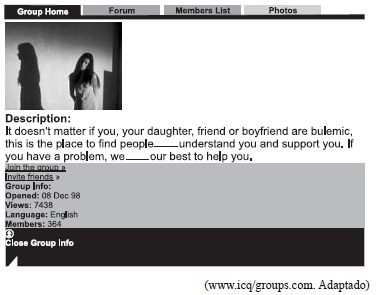
Questão 21 88699
UNCISAL 1° Dia 2009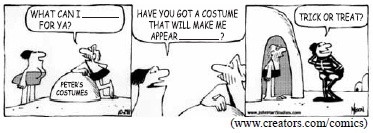
Questão 30 77066
UFU 2° Dia 2009/2Leia o Texto 3 para responder a questão de número 30.
texto 3
New hydrogen-powered city car takes to the road
by Tom Simonite
http://www.newscientist.com/section/tech

[1] A concept car that attempts to sidestep the three main hurdles to the
dream of hydrogen-fuelled highways was unveiled in London, UK, today. Like
other hydrogen cars, the Riversimple Urban Car (RUC) is powered by a fuel cell
that combines hydrogen with oxygen from the air to release energy and nothing
[5] more toxic than water.
Its makers claim that by starting from scratch to build a small, efficient
car they can make it commercially viable more quickly than the major auto
manufacturers experimenting with adapting more conventional cars to hydrogen.
Honda predicts its FCX Clarity hydrogen car will enter mass production in 2018,
[10] but Riversimple is aiming to lease its first fleet in 2011 and mass produce in
2013.
Using hydrogen to power cars can cut urban pollution and carbon emissions too, if the hydrogen comes from a
renewable source or is used efficiently enough. The lack of fuelling infrastructure aside, the three main problems with
building a hydrogen car are that fuel cells contain expensive platinum, are difficult to make powerful enough to power a
[15] conventional vehicle, and the hydrogen they use is hard to store in large quantities.
The RUC is about the size of a Smart car, weighs 350 kilograms (772 pounds) and uses a relatively cheap 6
kilowatt fuel cell, compared to the more sophisticated 100 kW cell used by the FCX Clarity, he says. The fuel payload
need not be huge, either: just 1 kg (2.2 lb) of liquid hydrogen (26 litres at normal pressure) is enough to take the car 300
kilometres, says Spowers. The car’s top speed is 50 miles per hour (80.4672 kilometres per hour), and it can accelerate
[20] from 0 to 30 mph (48 km/h) in 5.5 seconds. Even using hydrogen derived from natural gas, its well-to-wheel carbon
emissions for urban driving are only 30 grams/km.
Com base no texto, pode-se concluir que “Using hydrogen as a source of energy to power cars
Questão 26 77062
UFU 2° Dia 2009/2Leia o Texto 2 para responder a questão de número 26.
Texto 2
U.S. launches another drone plane to patrol Canadian border
CBC News http://news.sympatico.msn.cbc.ca
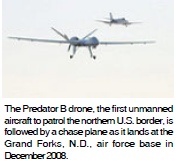
[1] The U.S. has been using the Predator B drone aircraft to patrol its border with
Mexico. “It has been very successful in using that technology there, and we’re testing to
see if we can apply that technology to the northern border as well,” said Steve Sapp of
U.S. Customs and Border Patrol in Fort Drum, N.Y., which is the plane’s base.
[5] The Predator is the unarmed version of the drone plane that the U.S. uses to conduct
air strikes in Pakistan, Iraq and Afghanistan. The aircraft is able to fly at an altitude of
6,000 metres and can remain in the air for 20 hours. The plane is equipped with 3,000
sensors and cameras capable of detecting a moving person from 10 kilometres away.
The planes will gather information along the border and transmit it to operators who will
[10] in turn contact border agents. The drones will not carry weapons and the U.S. will need permission to send them into
in Canadian airspace.
In eastern Canada, the focus of the Predator is the Akwesasne Mohawk Territory. “Essentially, we’re supplying
high-grade marijuana through this one small rural county of 50,000 people, thanks to the border, to all of the northeast,”
said Derek Champagne, district attorney of Franklin County, N.Y., and head of the area’s border and narcotics task
[15] force. However, people on the reserve are uneasy about being watched, Mohawk youth counsellor Brant Davis said.
“We no longer have the life we had 20 years ago here. Cameras, infrared, laser, informants, everything.”
“The Predator” também será utilizado na região denominada “Akwesasne Mohawk Territory”, com o principal objetivo de
Questão 21 77057
UFU 2° Dia 2009/2Leia o Texto 1 para responder as questões de 21 a 23.
texto 1
Cows with names make more milk
By Jordan Lite
http://www.scientificamerican.com
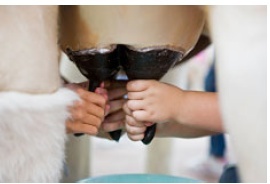
[1] Will Bessie make more milk if you call her by name? British agricultural
specialists say she will. Dairy farmers who address their cows by name
reported higher milk yields over the animals’ 10-month lactation period
than those who didn’t, according to new research published in Anthrozoos,
[5] a British journal dedicated to the “interactions of animals and people.”
British researchers compared production from the country’s National
Milk Records with the survey responses of 516 dairy farmers to see if there
was an association between yield and cow naming. Dairy farmers who
reported calling their cows by name got 2,105 gallons (7,938 liters) out of
[10] their cows, compared with 2,029 gallons (7,680 liters) per 10-month lactation
cycle. The results held regardless of the size of the farm or how much the
cows were fed.
“It was quite a revelation and quite encouraging, actually,” says study co-author Catherine Douglas of Newcastle
University in northeast England and a former dairy industry advisor. She tells ScientificAmerican.com the reason for
[15] the link is unclear, but speculates it may have a soothing effect on cows, which tend to fear people and get nervous
when led into the milking parlor. “If cows are slightly fearful of humans, they could produce the hormone cortisol, which
suppresses milk production,” Douglas says. Farmers who have named their cows, she adds, “probably have a better
relationship with them. They’re less fearful, more relaxed and less stressed, so that could have an effect on milk yield.”
Named or otherwise, cows make six times more milk today than they did in the 1990s, according to a 2007 piece
[20] in The Scientist. One reason is growth hormone that many U.S. farmers now inject their cows with to increase their
milk output; another is milking practices that extend farther into cows’ pregnancies, according to the article. Selective
breeding also makes for lots of lactation.
Com base no texto, pode-se afirmar que
I - the research results seem to be related to the size of the farm.
II - the research indicates that cow naming may have some effect on the production of milk.
III - Anthrozoos published a year-long study on interactions of animals and people.
IV - Bessy will produce more milk if you call her by her name.
Assinale a alternativa que contém somente afirmativas corretas.
Questão 42 48790
ESPM 2009/2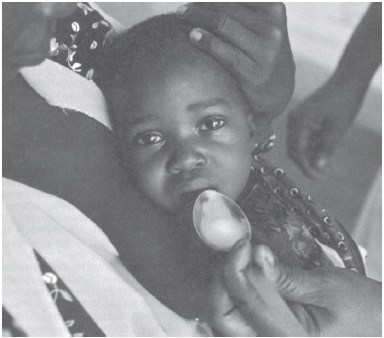
A BETTER DEAL ON MALARIA
Novartis is breaking even selling Coartem. But it chose to lose money to save more lives.
For the past nine years, the drug company Novartis has been selling Coartem, one of the most effective antimalarials on the market, to public-health officials in the developing world at a loss totaling more than $253 million - not counting the millions spent on Research & Development. That’s added up, the firm reports, to more than 550,000 lives saved. In late January, the company unveiled the first pediatric dose of Coartem – less bitter and easier to swallow than the adult version - which is expected to help in the battle against a disease that kills more than 700,000 children under 5 each year. (…) “Novartis could be making a lot more money making hypertension or diabetes medications that the people in the U.S. and Europe would buy,” says Awa Coll-Seck, executive director of Roll Back Malaria, a global partnership founded with the goal of halving the world’s malaria cases by 2010. “Instead, it’s investing real funds in finding medicines that will never be profitable.”
Though malaria is both preventable and curable, many of those in the developing world struggle to get affordable treatment, particularly in sub-Saharan Africa, where the mosquito-borne disease is most prevalent.(Time, March 9, 2009)
Choose the correct translation for: less bitter and easier to swallow:
06