


![[Marketing] Questao Topo - deslogado](https://storage.estuda.com.br/banners/0_6b7ebee90b03af1c560c73bb8bcce34a_banner_deslogado_70_dias.png)
Questões de Inglês
19.971 Questões
Questão 33 215662
FACISA 2016/2TEXT A
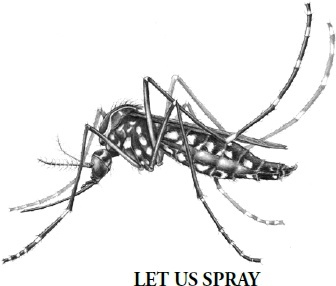
Don’t panic. Kill mosquitoes
Pandemics make for good horror films. Few things are scarier than a dangerous, incurable new disease that spreads quickly. And globalisation means that plagues can travel far, wide and terrifyingly fast. […] The newest horror is Zika. This mosquito borne virus, which originated in Africa, was spotted in Brazil last year. It is now moving across Latin America and the Caribbean, with cases in more than 20 countries. Originally, it was thought to cause little worse than a rash and fever. Now, propelling the disease into the realm of nightmares, doctors suspect that when pregnant women catch it, their babies may be permanently damaged. Zika is the prime suspect for a sharp increase in the number of babies with microcephaly in Brazil. Children are born with abnormally small heads and are likely to be brain-damaged. They may suffer severe learning difficulties, seizures and other problems. Many will die young.
Scientists are trying to confirm the link between Zika and microcephaly. Some suspect that the virus may also occasionally cause serious damage to nerves and the immune system in infected adults. Though a mosquito bite is the main way to catch it, there are fears that it can also be transmitted sexually. [...]
Zika has no cure and a vaccine will not be available for at least a decade. But that is no cause for despair. […] Two things are known for certain. The first is that the main, possibly only, transmission route is via mosquitoes, which pick up the virus from infected people and pass it on when the pests next take a meal. The second is how to cut the number of mosquitoes – and preferably eradicate them. […]
Research into novel ways to kill mosquitoes […] deserves more funding. Genetic modification, which produces mosquitoes that are sterile but still attractive to other mosquitoes, shows promise. A trial in Brazil suggests that releasing swarms of modified insects can reduce the unmodified population in months.
All this will be pricey. But it would bring not one, but several, dread diseases under control. Aedes aegypti does not carry malaria, but the methods used to kill it will also kill Anopheles, which does. The moment has come again to take the fight to the mosquitoes – and this time to finish the job.
How long would it take to develop a vaccine against Zika, according to TEXT A?
Questão 31 215656
FACISA 2016/2TEXT A
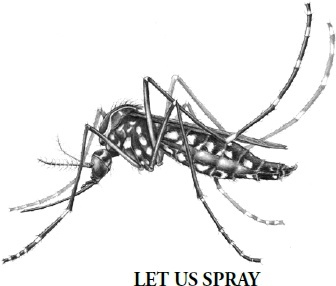
Don’t panic. Kill mosquitoes
Pandemics make for good horror films. Few things are scarier than a dangerous, incurable new disease that spreads quickly. And globalisation means that plagues can travel far, wide and terrifyingly fast. […] The newest horror is Zika. This mosquito borne virus, which originated in Africa, was spotted in Brazil last year. It is now moving across Latin America and the Caribbean, with cases in more than 20 countries. Originally, it was thought to cause little worse than a rash and fever. Now, propelling the disease into the realm of nightmares, doctors suspect that when pregnant women catch it, their babies may be permanently damaged. Zika is the prime suspect for a sharp increase in the number of babies with microcephaly in Brazil. Children are born with abnormally small heads and are likely to be brain-damaged. They may suffer severe learning difficulties, seizures and other problems. Many will die young.
Scientists are trying to confirm the link between Zika and microcephaly. Some suspect that the virus may also occasionally cause serious damage to nerves and the immune system in infected adults. Though a mosquito bite is the main way to catch it, there are fears that it can also be transmitted sexually. [...]
Zika has no cure and a vaccine will not be available for at least a decade. But that is no cause for despair. […] Two things are known for certain. The first is that the main, possibly only, transmission route is via mosquitoes, which pick up the virus from infected people and pass it on when the pests next take a meal. The second is how to cut the number of mosquitoes – and preferably eradicate them. […]
Research into novel ways to kill mosquitoes […] deserves more funding. Genetic modification, which produces mosquitoes that are sterile but still attractive to other mosquitoes, shows promise. A trial in Brazil suggests that releasing swarms of modified insects can reduce the unmodified population in months.
All this will be pricey. But it would bring not one, but several, dread diseases under control. Aedes aegypti does not carry malaria, but the methods used to kill it will also kill Anopheles, which does. The moment has come again to take the fight to the mosquitoes – and this time to finish the job.
TEXT A informs us that Zika can affect
Questão 93 205345
UECE 2ª Fase 1° Dia 2016/2Text
President Obama’s Speech in Hiroshima, Japan
[1] Seventy-one years ago, on a bright
cloudless morning, death fell from the sky and
the world was changed. A flash of light and a
wall of fire destroyed a city and demonstrated
[5] that mankind possessed the means to destroy
itself.
It is not the fact of war that sets
Hiroshima apart. Artifacts tell us that violent
conflict appeared with the very first man. Our
[10] early ancestors having learned to make blades
from flint and spears from wood used these
tools not just for hunting but against their
own kind. On every continent, the history of
civilization is filled with war, whether driven
[15] by scarcity of grain or hunger for gold, comp
elled by nationalist fervor or religious zeal.
Empires have risen and fallen. Peoples have
been subjugated and liberated. And at each
juncture, innocents have suffered, a countless
[20] toll, their names forgotten by time.
The world war that reached its brutal
end in Hiroshima and Nagasaki was fought
among the wealthiest and most powerful of
nations. Their civilizations had given the world
[25] great cities and magnificent art. Their thinkers
had advanced ideas of justice and harmony
and truth. And yet the war grew out of the
same base instinct for domination or conquest
that had caused conflicts among the simplest
[30] tribes, an old pattern amplified by new
capabilities and without new constraints.
In the image of a mushroom cloud that
rose into these skies, we are most starkly
reminded of humanity’s core contradiction.
[35] How the very spark that marks us as a
species, our thoughts, our imagination, our
language, our toolmaking, our ability to set
ourselves apart from nature and bend it to our
will — those very things also give us the
[40] capacity for unmatched destruction.
How often does material advancement
or social innovation blind us to this truth? How
easily we learn to justify violence in the name
of some higher cause.
[45] Every great religion promises a pathway
to love and peace and righteousness, and yet
no religion has been spared from believers
who have claimed their faith as a license to
kill.
[50] Nations arise telling a story that binds
people together in sacrifice and cooperation,
allowing for remarkable feats. But those same
stories have so often been used to oppress
and dehumanize those who are different.
[55] Science allows us to communicate
across the seas and fly above the clouds, to
cure disease and understand the cosmos, but
those same discoveries can be turned into
ever more efficient killing machines.
[60] The wars of the modern age teach us
this truth. Hiroshima teaches this truth.
Technological progress without an equivalent
progress in human institutions can doom us.
The scientific revolution that led to the
[65] splitting of an atom requires a moral
revolution as well.
Mere words cannot give voice to such
suffering. But we have a shared responsibility
to look directly into the eye of history and ask
[70] what we must do differently to curb such
suffering again.
Since that fateful day, we have made
choices that give us hope. The United States
and Japan have forged not only an alliance but
[75] a friendship that has won far more for our
people than we could ever claim through war.
The nations of Europe built a union that
replaced battlefields with bonds of commerce
and democracy. Oppressed people and nations
[80] won liberation. An international community
established institutions and treaties that work
to avoid war and aspire to restrict and roll
back and ultimately eliminate the existence of
nuclear weapons.
[85] Still, every act of aggression between
nations, every act of terror and corruption and
cruelty and oppression that we see around the
world shows our work is never done. We may
not be able to eliminate man’s capacity to do
[90] evil, so nations and the alliances that we form
must possess the means to defend ourselves.
But among those nations like my own that
hold nuclear stockpiles, we must have the
courage to escape the logic of fear and pursue
[95] a world without them.
We may not realize this goal in my
lifetime, but persistent effort can roll back the
possibility of catastrophe. We can chart a
course that leads to the destruction of these
[100] stockpiles. We can stop the spread to new
nations and secure deadly materials from
fanatics.
And yet that is not enough. For we see
around the world today how even the crudest
[105] rifles and barrel bombs can serve up violence
on a terrible scale. We must change our mindset
about war itself. To prevent conflict
through diplomacy and strive to end conflicts
after they’ve begun. To see our growing
[110] interdependence as a cause for peaceful
cooperation and not violent competition. To
define our nations not by our capacity to
destroy but by what we build. And perhaps,
above all, we must reimagine our connection
[115] to one another as members of one human
race.
For this, too, is what makes our species
unique. We’re not bound by genetic code to
repeat the mistakes of the past. We can learn.
[120] We can choose. We can tell our children a
different story, one that describes a common
humanity, one that makes war less likely and
cruelty less easily accepted.
My own nation’s story began with
[125] simple words: All men are created equal and
endowed by our creator with certain
unalienable rights including life, liberty and
the pursuit of happiness. Realizing that ideal
has never been easy, even within our own
[130] borders, even among our own citizens. But
staying true to that story is worth the effort. It
is an ideal to be strived for, an ideal that
extends across continents and across oceans.
The irreducible worth of every person, the
[135] insistence that every life is precious, the
radical and necessary notion that we are part
of a single human family — that is the story
that we all must tell.
Ordinary people understand this, I
[140] think. They do not want more war. They
would rather that the wonders of science be
focused on improving life and not eliminating
it. When the choices made by nations, when
the choices made by leaders, reflect this
[145] simple wisdom, then the lesson of Hiroshima
is done.
The world was forever changed here,
but today the children of this city will go
through their day in peace. What a precious
[150] thing that is. It is worth protecting, and then
extending to every child. That is a future we
can choose, a future in which Hiroshima and
Nagasaki are known not as the dawn of
atomic warfare but as the start of our own
[155] moral awakening.
From:www.nytimes.com
The verb tenses in “Their civilizations had given the world great cities” (lines 24-25) and “the war grew out of the same base instinct” (lines 27- 28) are respectively
Questão 89 205339
UECE 2ª Fase 1° Dia 2016/2Text
President Obama’s Speech in Hiroshima, Japan
[1] Seventy-one years ago, on a bright
cloudless morning, death fell from the sky and
the world was changed. A flash of light and a
wall of fire destroyed a city and demonstrated
[5] that mankind possessed the means to destroy
itself.
It is not the fact of war that sets
Hiroshima apart. Artifacts tell us that violent
conflict appeared with the very first man. Our
[10] early ancestors having learned to make blades
from flint and spears from wood used these
tools not just for hunting but against their
own kind. On every continent, the history of
civilization is filled with war, whether driven
[15] by scarcity of grain or hunger for gold, comp
elled by nationalist fervor or religious zeal.
Empires have risen and fallen. Peoples have
been subjugated and liberated. And at each
juncture, innocents have suffered, a countless
[20] toll, their names forgotten by time.
The world war that reached its brutal
end in Hiroshima and Nagasaki was fought
among the wealthiest and most powerful of
nations. Their civilizations had given the world
[25] great cities and magnificent art. Their thinkers
had advanced ideas of justice and harmony
and truth. And yet the war grew out of the
same base instinct for domination or conquest
that had caused conflicts among the simplest
[30] tribes, an old pattern amplified by new
capabilities and without new constraints.
In the image of a mushroom cloud that
rose into these skies, we are most starkly
reminded of humanity’s core contradiction.
[35] How the very spark that marks us as a
species, our thoughts, our imagination, our
language, our toolmaking, our ability to set
ourselves apart from nature and bend it to our
will — those very things also give us the
[40] capacity for unmatched destruction.
How often does material advancement
or social innovation blind us to this truth? How
easily we learn to justify violence in the name
of some higher cause.
[45] Every great religion promises a pathway
to love and peace and righteousness, and yet
no religion has been spared from believers
who have claimed their faith as a license to
kill.
[50] Nations arise telling a story that binds
people together in sacrifice and cooperation,
allowing for remarkable feats. But those same
stories have so often been used to oppress
and dehumanize those who are different.
[55] Science allows us to communicate
across the seas and fly above the clouds, to
cure disease and understand the cosmos, but
those same discoveries can be turned into
ever more efficient killing machines.
[60] The wars of the modern age teach us
this truth. Hiroshima teaches this truth.
Technological progress without an equivalent
progress in human institutions can doom us.
The scientific revolution that led to the
[65] splitting of an atom requires a moral
revolution as well.
Mere words cannot give voice to such
suffering. But we have a shared responsibility
to look directly into the eye of history and ask
[70] what we must do differently to curb such
suffering again.
Since that fateful day, we have made
choices that give us hope. The United States
and Japan have forged not only an alliance but
[75] a friendship that has won far more for our
people than we could ever claim through war.
The nations of Europe built a union that
replaced battlefields with bonds of commerce
and democracy. Oppressed people and nations
[80] won liberation. An international community
established institutions and treaties that work
to avoid war and aspire to restrict and roll
back and ultimately eliminate the existence of
nuclear weapons.
[85] Still, every act of aggression between
nations, every act of terror and corruption and
cruelty and oppression that we see around the
world shows our work is never done. We may
not be able to eliminate man’s capacity to do
[90] evil, so nations and the alliances that we form
must possess the means to defend ourselves.
But among those nations like my own that
hold nuclear stockpiles, we must have the
courage to escape the logic of fear and pursue
[95] a world without them.
We may not realize this goal in my
lifetime, but persistent effort can roll back the
possibility of catastrophe. We can chart a
course that leads to the destruction of these
[100] stockpiles. We can stop the spread to new
nations and secure deadly materials from
fanatics.
And yet that is not enough. For we see
around the world today how even the crudest
[105] rifles and barrel bombs can serve up violence
on a terrible scale. We must change our mindset
about war itself. To prevent conflict
through diplomacy and strive to end conflicts
after they’ve begun. To see our growing
[110] interdependence as a cause for peaceful
cooperation and not violent competition. To
define our nations not by our capacity to
destroy but by what we build. And perhaps,
above all, we must reimagine our connection
[115] to one another as members of one human
race.
For this, too, is what makes our species
unique. We’re not bound by genetic code to
repeat the mistakes of the past. We can learn.
[120] We can choose. We can tell our children a
different story, one that describes a common
humanity, one that makes war less likely and
cruelty less easily accepted.
My own nation’s story began with
[125] simple words: All men are created equal and
endowed by our creator with certain
unalienable rights including life, liberty and
the pursuit of happiness. Realizing that ideal
has never been easy, even within our own
[130] borders, even among our own citizens. But
staying true to that story is worth the effort. It
is an ideal to be strived for, an ideal that
extends across continents and across oceans.
The irreducible worth of every person, the
[135] insistence that every life is precious, the
radical and necessary notion that we are part
of a single human family — that is the story
that we all must tell.
Ordinary people understand this, I
[140] think. They do not want more war. They
would rather that the wonders of science be
focused on improving life and not eliminating
it. When the choices made by nations, when
the choices made by leaders, reflect this
[145] simple wisdom, then the lesson of Hiroshima
is done.
The world was forever changed here,
but today the children of this city will go
through their day in peace. What a precious
[150] thing that is. It is worth protecting, and then
extending to every child. That is a future we
can choose, a future in which Hiroshima and
Nagasaki are known not as the dawn of
atomic warfare but as the start of our own
[155] moral awakening.
From:www.nytimes.com
In the phrases “filled with war” (line 14), “driven by scarcity” (lines 14-15) and “compelled by nationalist fervor” (lines 15-16) the verbs are in the
Questão 55 159829
UFSM 2016Scientific literacy
Scientific literacy is the knowledge and understanding of scientific concepts and
processes required for personal decision making, participation in civic and cultural
affairs, and economic productivity. It also includes specific types of abilities.
Scientific literacy means that a person can ask, find, or determine answers to
questions derived from curiosity about everyday experiences. It means that a person
has the ability to describe, explain, and predict natural phenomena. Scientific literacy
entails being able to read with understanding articles about science in the popular
press and to engage in social conversation about the validity of the conclusions.
Scientific literacy implies that a person can identify scientific issues underlying national
and local decisions and express positions that are scientifically and technologically
informed. A literate citizen should be able to evaluate the quality of scientific
information on the basis of its source and the methods used to generate it. Scientific
literacy also implies the capacity to pose and evaluate arguments based on evidence
and to apply conclusions from such arguments appropriately.
Fonte: Disponível em: <http://www.literacynet.org/science/scientificliteracy.html>. Acesso em: 16 set. 2016.
Assinale a alternativa que NÃO contempla uma habilidade da pessoa cientificamente letrada.
Questão 84 159087
FMJ 2016Shoes with high heels are the fashion choice for many women around the world. However, a new study by Stanford University in the USA proves that wearing high heels over a long period of time can permanently injure the body. The study by a biomotion team from the University scanned the knees of healthy women as they walked at a normal pace in flat shoes, 1.5 inch heels and 3.5 inch heels. The results send a warning to women who want to wear high heels that they risk permanent damage to their knees. The researchers found that when women wear high heels, their knees are held in an awkward, bent position causing the joints to perform as though aged or damaged joints would – increasing the risk the condition known as osteoarthritis, which could require surgery.
Britain’s Daily Express newspaper reports a recent survey of 1,200 women that shows how popular high heels are. It said 93 per cent of women felt sexier and more feminine when they wore heels, 88 per cent said they considered themselves more stylish and 77 per cent said their heels made them feel slimmer. Most women prefer to ignore health warnings, and even the pain and discomfort of wearing heels, to look and feel good.
A British doctor, Tim Allardyce, said he regularly treats women with problems caused by wearing heels. “Because of the odd angle at which the feet are held in high-heeled shoes, it increases the downward pressure on the knees by 25 per cent, placing significant stress on the kneecaps, even when you’re standing still,” he explains. He added: “Standing and walking on the balls of your feet throws the skeleton out of its usual, healthy alignment, which means muscles and joints throughout the body have to compensate to maintain its centre of gravity and keep the body upright.”
(www.breakingnewsenglish.com / www.express.co.uk. Adaptado.)
In the fragment from the second paragraph “77 per cent said their heels made them feel slimmer”, the word “them” refers to
06