


![[Marketing] Questao Topo - deslogado](https://storage.estuda.com.br/banners/0_6b7ebee90b03af1c560c73bb8bcce34a_banner_deslogado_70_dias.png)
Questões de Inglês
19.971 Questões
Questão 20 214928
FACISA 2017/1TEXT C
This is your brain on ‘POOR’
Poverty and the conditions that often accompany it – violence, excessive noise, chaos at home, pollution, malnutrition, abuse and parents without jobs – can affect the interactions, formation and pruning of connections in the young brain.[…] In one [study] researchers found that impoverished children had less gray matter – brain tissue that supports information processing and executive behavior – in their hippocampus (involved in memory), frontal lobe (involved in decision making, problem solving, impulse control, judgment, and social and emotional behavior) and temporal lobe (involved in language, visual and auditory processing and self-awareness).Working together, these brain areas are crucial for following instructions, paying attention and overall learning – some of the keys to academic success. […]
“We have [long] known about the social class differences in health and learning outcomes,” says Dr. Jack Shonkoff. […] But neuroscience has now linked the environment, behavior and brain activity – and that could lead to a stunning overhaul of both educational and social policies. […] “We are living in a revolution in biology now,” Shonkoff says, one in which new findings are finally giving us a real understanding of the interaction between nature and nurture.
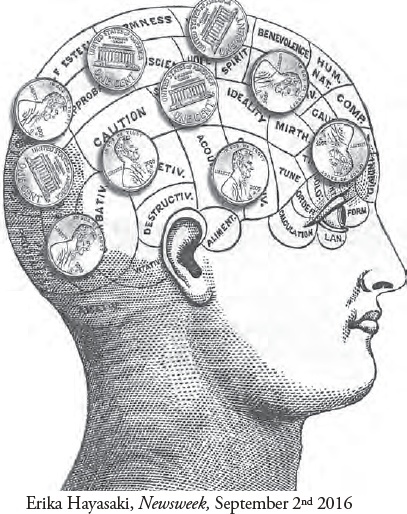
The central idea presented in TEXT C is that
Questão 20 198343
ACAFE Medicina 2017/2TEXTO
Brazil has declared an end to its public health emergency over the Zika virus, 18 months after a surge in cases drew headlines around the world.
The mosquito-borne virus was not considered a major health threat until the 2015 outbreak revealed that Zika can lead to severe birth defects. One of those defects, microcephaly, causes babies to be born with skulls much smaller than expected.
Photos of babies with the defect spread panic around the globe as the virus was reported in dozens of countries. Many would-be travellers cancelled their trips to Zika-infected places. The concern spread even more widely when health officials said it could also be transmitted through sexual contact with an infected person.
The health scare came just as Brazil, the epicentre of the outbreak, was preparing to host the 2016 Olympics, fuelling concerns the Games could help spread the virus. One athlete, a Spanish wind surfer, said she got Zika while training in Brazil ahead of the Games.
In response to the outbreak, Brazil launched a mosquito-eradication campaign. The health ministry said those efforts have helped to dramatically reduce cases of Zika. Between January and mid-April, 95% fewer cases were recorded than during the same period last year. The incidence of microcephaly has fallen as well.
The World Health Organization (WHO) lifted its own international emergency in November, even while saying the virus remained a threat.
“The end of the emergency doesn’t mean the end of surveillance or assistance” to affected families, said Adeilson Cavalcante, the secretary for health surveillance at Brazil’s health ministry. “The health ministry and other organisations involved in this area will maintain a policy of fighting Zika, dengue and chikungunya.”
All three diseases are carried by the Aedes aegypti mosquito.
But the WHO has warned that Zika is “here to stay,” even when cases of it fall off, and that fighting the disease will be an ongoing battle.
(Fonte: Associated Press, Friday 12 May 2017 10.18 BST. Last modified on Friday 12 May 2017 22.00 BST)
According to the text, choose the correct statements that complete the following sentence: “The Brazilian mosquito-eradication campaign”...
I. was launched by the Brazilian Government;
ll. was launched by WHO;
lll. helped to reduce the incidence of microcephaly;
lV. helped to save the lives of five athletes;
V. helped to reduce cases of Zika.
Questão 18 198340
ACAFE Medicina 2017/2TEXTO
Brazil has declared an end to its public health emergency over the Zika virus, 18 months after a surge in cases drew headlines around the world.
The mosquito-borne virus was not considered a major health threat until the 2015 outbreak revealed that Zika can lead to severe birth defects. One of those defects, microcephaly, causes babies to be born with skulls much smaller than expected.
Photos of babies with the defect spread panic around the globe as the virus was reported in dozens of countries. Many would-be travellers cancelled their trips to Zika-infected places. The concern spread even more widely when health officials said it could also be transmitted through sexual contact with an infected person.
The health scare came just as Brazil, the epicentre of the outbreak, was preparing to host the 2016 Olympics, fuelling concerns the Games could help spread the virus. One athlete, a Spanish wind surfer, said she got Zika while training in Brazil ahead of the Games.
In response to the outbreak, Brazil launched a mosquito-eradication campaign. The health ministry said those efforts have helped to dramatically reduce cases of Zika. Between January and mid-April, 95% fewer cases were recorded than during the same period last year. The incidence of microcephaly has fallen as well.
The World Health Organization (WHO) lifted its own international emergency in November, even while saying the virus remained a threat.
“The end of the emergency doesn’t mean the end of surveillance or assistance” to affected families, said Adeilson Cavalcante, the secretary for health surveillance at Brazil’s health ministry. “The health ministry and other organisations involved in this area will maintain a policy of fighting Zika, dengue and chikungunya.”
All three diseases are carried by the Aedes aegypti mosquito.
But the WHO has warned that Zika is “here to stay,” even when cases of it fall off, and that fighting the disease will be an ongoing battle.
(Fonte: Associated Press, Friday 12 May 2017 10.18 BST. Last modified on Friday 12 May 2017 22.00 BST)
Choose the correct alternative to complete the sentence:
The World Health Organization (WHO)…
Questão 17 198339
ACAFE Medicina 2017/2TEXTO
Brazil has declared an end to its public health emergency over the Zika virus, 18 months after a surge in cases drew headlines around the world.
The mosquito-borne virus was not considered a major health threat until the 2015 outbreak revealed that Zika can lead to severe birth defects. One of those defects, microcephaly, causes babies to be born with skulls much smaller than expected.
Photos of babies with the defect spread panic around the globe as the virus was reported in dozens of countries. Many would-be travellers cancelled their trips to Zika-infected places. The concern spread even more widely when health officials said it could also be transmitted through sexual contact with an infected person.
The health scare came just as Brazil, the epicentre of the outbreak, was preparing to host the 2016 Olympics, fuelling concerns the Games could help spread the virus. One athlete, a Spanish wind surfer, said she got Zika while training in Brazil ahead of the Games.
In response to the outbreak, Brazil launched a mosquito-eradication campaign. The health ministry said those efforts have helped to dramatically reduce cases of Zika. Between January and mid-April, 95% fewer cases were recorded than during the same period last year. The incidence of microcephaly has fallen as well.
The World Health Organization (WHO) lifted its own international emergency in November, even while saying the virus remained a threat.
“The end of the emergency doesn’t mean the end of surveillance or assistance” to affected families, said Adeilson Cavalcante, the secretary for health surveillance at Brazil’s health ministry. “The health ministry and other organisations involved in this area will maintain a policy of fighting Zika, dengue and chikungunya.”
All three diseases are carried by the Aedes aegypti mosquito.
But the WHO has warned that Zika is “here to stay,” even when cases of it fall off, and that fighting the disease will be an ongoing battle.
(Fonte: Associated Press, Friday 12 May 2017 10.18 BST. Last modified on Friday 12 May 2017 22.00 BST)
According to the text, “outbreak” means…
Questão 60 192140
IMEPAC 2° Semestre 2017INSTRUCTIONS: This test comprises of five question based on the text below. Read the text carefully and then mark the alternatives that answer the questions or complete the sentences presented after it.
Psychologically informed physiotherapy for chronic pain: patient experiences of treatment and therapeutic process
S. Wilsonª, N. Chalonerª, M. Osbornª, b , J. Gauntlett-Gilbertª, b
Abstract
Objectives
Psychologically informed physiotherapy is used widely with patients with chronic pain. This study aimed to investigate patients’ beliefs about, and experiences of, this type of treatment, and helpful and unhelpful experiences.
Introduction
Chronic pain is disabling, and difficult to treat both medically and surgically; as such, pain management treatments have increasingly emphasised self-management of the condition using physical and psychological techniques. Self-management approaches view disability and suffering as resulting from multiple factors beyond pain itself, including avoidant movement patterns, cognitions and coping styles.
There is increasing evidence that patients can benefit from physiotherapist-led cognitive behavioural self-management approaches for chronic pain. For example, STarT Back is a stratified care model for patients with low back pain (LBP), targeting patients at high risk of chronicity [4]. The STarT Back model incorporates psychological concepts in both screening and treatment, and is now integrated into UK national pathways and guidance for LBP. Undergraduate physiotherapy courses also increasingly emphasise ‘biopsychosocial’ approaches to treatment. Thus, psychologically informed physiotherapy (PIP) is becoming prevalent across care settings.
The majority of outcome data suggest that cognitive behavioural therapy (CBT)-based treatments for chronic pain yield superior outcomes compared with ‘treatment as usual’ and waiting list controls. However, effect sizes are small and reduced at follow-up. Thus, whilst CBT approaches are useful, they need to be developed to have more impact. As such, this article will use the broader term ‘PIP’ to describe all treatments where physiotherapy is delivered within a psychological framework. PIP treatments aim to use psychological techniques to increase the impact of physiotherapy, and to entrench the patient’s long-term maintenance of exercise recommendations (e.g. by targeting low motivation or negative thinking patterns). Both CBT and other psychological models may be used in the service of these goals.
In order to develop a treatment, it is essential to understand how and why it works. Change process research has been common in the psychotherapy literature for the past 20 years. In the chronic pain literature, changes in variables such as pain catastrophising and acceptance have been identified as active influences on treatment outcome. However, there is little consensus on which treatment processes are most important, and the variables under inspection have generally been selected based on psychological theory, as opposed to arising from patient, or physiotherapy, accounts.
Where important therapeutic processes are understood, they can be targeted specifically to improve clinical outcomes and support efficient dissemination of effective practice. Physiotherapists do not always feel adequately trained to implement PIP despite recognising its value, and therapist ‘drift’ into ineffective clinical approaches is common across professions. Both of these factors indicate that more in-depth training is required. Identification of important treatment processes should support clinicians to target consistent, evidence-based variables.
Some studies have investigated patients’ overall experiences of self-management treatment. However, this study aimed to focus more specifically on those processes that are important within PIP treatments. Currently, minimal data exist on this topic; indeed, there are cautionary data indicating that both treatment adherence and perception of benefit can be poor in selfmanagement approaches for back pain. The authors chose to explore this topic in participants with severe chronic pain who had: (a) received a high ‘dose’ of PIP at a specialist service; and (b) shown evidence of benefiting from this treatment. This allowed their experiences to be explored with confidence in the adequacy and competence of the PIP treatment.
Available at: . Accessed on: April 2nd 2017.
In order to get at evidence-based variables, therapists SHOULD NOT
Questão 58 192138
IMEPAC 2° Semestre 2017INSTRUCTIONS: This test comprises of five question based on the text below. Read the text carefully and then mark the alternatives that answer the questions or complete the sentences presented after it.
Psychologically informed physiotherapy for chronic pain: patient experiences of treatment and therapeutic process
S. Wilsonª, N. Chalonerª, M. Osbornª, b , J. Gauntlett-Gilbertª, b
Abstract
Objectives
Psychologically informed physiotherapy is used widely with patients with chronic pain. This study aimed to investigate patients’ beliefs about, and experiences of, this type of treatment, and helpful and unhelpful experiences.
Introduction
Chronic pain is disabling, and difficult to treat both medically and surgically; as such, pain management treatments have increasingly emphasised self-management of the condition using physical and psychological techniques. Self-management approaches view disability and suffering as resulting from multiple factors beyond pain itself, including avoidant movement patterns, cognitions and coping styles.
There is increasing evidence that patients can benefit from physiotherapist-led cognitive behavioural self-management approaches for chronic pain. For example, STarT Back is a stratified care model for patients with low back pain (LBP), targeting patients at high risk of chronicity [4]. The STarT Back model incorporates psychological concepts in both screening and treatment, and is now integrated into UK national pathways and guidance for LBP. Undergraduate physiotherapy courses also increasingly emphasise ‘biopsychosocial’ approaches to treatment. Thus, psychologically informed physiotherapy (PIP) is becoming prevalent across care settings.
The majority of outcome data suggest that cognitive behavioural therapy (CBT)-based treatments for chronic pain yield superior outcomes compared with ‘treatment as usual’ and waiting list controls. However, effect sizes are small and reduced at follow-up. Thus, whilst CBT approaches are useful, they need to be developed to have more impact. As such, this article will use the broader term ‘PIP’ to describe all treatments where physiotherapy is delivered within a psychological framework. PIP treatments aim to use psychological techniques to increase the impact of physiotherapy, and to entrench the patient’s long-term maintenance of exercise recommendations (e.g. by targeting low motivation or negative thinking patterns). Both CBT and other psychological models may be used in the service of these goals.
In order to develop a treatment, it is essential to understand how and why it works. Change process research has been common in the psychotherapy literature for the past 20 years. In the chronic pain literature, changes in variables such as pain catastrophising and acceptance have been identified as active influences on treatment outcome. However, there is little consensus on which treatment processes are most important, and the variables under inspection have generally been selected based on psychological theory, as opposed to arising from patient, or physiotherapy, accounts.
Where important therapeutic processes are understood, they can be targeted specifically to improve clinical outcomes and support efficient dissemination of effective practice. Physiotherapists do not always feel adequately trained to implement PIP despite recognising its value, and therapist ‘drift’ into ineffective clinical approaches is common across professions. Both of these factors indicate that more in-depth training is required. Identification of important treatment processes should support clinicians to target consistent, evidence-based variables.
Some studies have investigated patients’ overall experiences of self-management treatment. However, this study aimed to focus more specifically on those processes that are important within PIP treatments. Currently, minimal data exist on this topic; indeed, there are cautionary data indicating that both treatment adherence and perception of benefit can be poor in selfmanagement approaches for back pain. The authors chose to explore this topic in participants with severe chronic pain who had: (a) received a high ‘dose’ of PIP at a specialist service; and (b) shown evidence of benefiting from this treatment. This allowed their experiences to be explored with confidence in the adequacy and competence of the PIP treatment.
Available at: . Accessed on: April 2nd 2017.
According to the text, the STarT Back model incorporates in screening and treatment
06