


![[Marketing] Questao Topo - deslogado](https://storage.estuda.com.br/banners/0_6b7ebee90b03af1c560c73bb8bcce34a_banner_deslogado_70_dias.png)
Questões de Inglês
19.971 Questões
Questão 38 242338
UESB Caderno 1 2010TEXTO:
Gregor Mendel
1822-1884
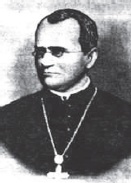
Gregor Johann Mendel was
born on July 22, 1822, in
Heizendorf, Austria. He was the
only son of a peasant farmer. In
[5] 1843 he began studying at the St.
Thomas Monastery of the
Augustinian Order. After his
ordination, Mendel was assigned
to pastoral duties, but it soon
[10] became apparent that he was
more suited to teaching. In 1849,
he was assigned to a secondary
school in the city of Znaim. It was there that he took the
qualifying examination for teacher certification and failed.
[15] In 1851, he entered the University of Vienna to train to
be a teacher of Mathematics and Biology. It was there
that he developed his skills as a researcher which he
utilized later in his life.
Mendel did groundbreaking work into the theories
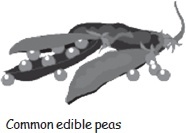
[20] of heredity. He studied seven basic characteristics of
the pea pod plants. By tracing these characteristics,
Mendel discovered three basic laws which governed the
passage of a trait from one member of a species to
another member of the same species.
[25] Mendel found actual proof of the existence of genes
and is considered to be the father of genetics.
Unfortunately, he was not recognized for his work by his
scientific peers and his findings were not given their real
importance until the early 1900s. His work and theories
[30] later became the basis for the study of modern genetics,
and are still recognized and used today.
MENDEL, Gregor. Disponível em: <http://www.mnsu.edu/emuseum/information/biography/klmno/mendel_gregor.html. Acesso em: 20 maio 2010.
Considering language use in the text, it’s correct to say:
Questão 37 242335
UESB Caderno 1 2010TEXTO:
Gregor Mendel
1822-1884
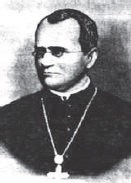
Gregor Johann Mendel was
born on July 22, 1822, in
Heizendorf, Austria. He was the
only son of a peasant farmer. In
[5] 1843 he began studying at the St.
Thomas Monastery of the
Augustinian Order. After his
ordination, Mendel was assigned
to pastoral duties, but it soon
[10] became apparent that he was
more suited to teaching. In 1849,
he was assigned to a secondary
school in the city of Znaim. It was there that he took the
qualifying examination for teacher certification and failed.
[15] In 1851, he entered the University of Vienna to train to
be a teacher of Mathematics and Biology. It was there
that he developed his skills as a researcher which he
utilized later in his life.
Mendel did groundbreaking work into the theories
[20] of heredity. He studied seven basic characteristics of
the pea pod plants. By tracing these characteristics,
Mendel discovered three basic laws which governed the
passage of a trait from one member of a species to
another member of the same species.
[25] Mendel found actual proof of the existence of genes
and is considered to be the father of genetics.
Unfortunately, he was not recognized for his work by his
scientific peers and his findings were not given their real
importance until the early 1900s. His work and theories
[30] later became the basis for the study of modern genetics,
and are still recognized and used today.
MENDEL, Gregor. Disponível em: <http://www.mnsu.edu/emuseum/information/biography/klmno/mendel_gregor.html. Acesso em: 20 maio 2010.
“Mendel did groundbreaking work into the theories of heredity.” (l. 19-20)
This sentence means that Mendel
Questão 34 242323
UESB Caderno 1 2010TEXTO:
Gregor Mendel
1822-1884
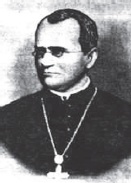
Gregor Johann Mendel was
born on July 22, 1822, in
Heizendorf, Austria. He was the
only son of a peasant farmer. In
[5] 1843 he began studying at the St.
Thomas Monastery of the
Augustinian Order. After his
ordination, Mendel was assigned
to pastoral duties, but it soon
[10] became apparent that he was
more suited to teaching. In 1849,
he was assigned to a secondary
school in the city of Znaim. It was there that he took the
qualifying examination for teacher certification and failed.
[15] In 1851, he entered the University of Vienna to train to
be a teacher of Mathematics and Biology. It was there
that he developed his skills as a researcher which he
utilized later in his life.
Mendel did groundbreaking work into the theories
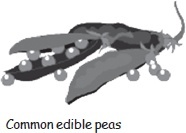
[20] of heredity. He studied seven basic characteristics of
the pea pod plants. By tracing these characteristics,
Mendel discovered three basic laws which governed the
passage of a trait from one member of a species to
another member of the same species.
[25] Mendel found actual proof of the existence of genes
and is considered to be the father of genetics.
Unfortunately, he was not recognized for his work by his
scientific peers and his findings were not given their real
importance until the early 1900s. His work and theories
[30] later became the basis for the study of modern genetics,
and are still recognized and used today.
MENDEL, Gregor. Disponível em: <http://www.mnsu.edu/emuseum/ information/biography/klmno/mendel_gregor.html. Acesso em: 20 maio 2010.
About Gregor Mendel, it’s correct to say:
Questão 23 242214
UESB Caderno 1 2010TEXTO:
You will be a parent to your parents
Modern American households are coming to
resemble those of centuries past, when it was the norm
for multiple generations to live under the same roof.
Census data show that the number of U.S. households
[5] with three or more generations increased by 38 percent
between 1990 and 2000.
Between 2000 and 2007, the number of parents
living in the homes of their adult children increased by a
whopping 67 percent. In other cases, grown children with
[10] families of their own are moving back into a parent’s
house. Experts say harsh economic realities like high
housing costs and low incomes are probably a driving
force behind the trend. “It is so much less expensive to
have one kitchen, one living room, one dwelling to heat,”
[15] says Frances Goldscheider, professor emeritus of
sociology at Brown. “If you can manage to be polite to
each other … you can get all the benefits of the reduced
costs.” Other forces at work include immigration — certain
cultures favor extended-family living — and increased
[20] longevity, since multigenerational households can care
for aging parents.
According to futurist Andrew Zolli, people born after
1975 could end up taking care of their mothers longer
than their mothers took care of them, since women in
[25] that generation are likely to live more than 18 years into
retirement, when they are most likely to need help of
some kind from their children. Philip Cohen, author of
the upcoming book Family: Diversity, Inequality and
Social Change, predicts that the economic downturn will
[30] contribute further to the rise in multigenerational living.
“Especially with foreclosures and people losing their
homes, where do people turn?” he asks. “They’re most
likely to go to their families first.”
Yarret, Ian. You will be a parent to your parents. Newsweek, New York, p. 52, 24 & 31, 2009.
The recent trend mentioned in the text is:
Questão 22 242213
UESB Caderno 1 2010TEXTO:
You will be a parent to your parents
Modern American households are coming to
resemble those of centuries past, when it was the norm
for multiple generations to live under the same roof.
Census data show that the number of U.S. households
[5] with three or more generations increased by 38 percent
between 1990 and 2000.
Between 2000 and 2007, the number of parents
living in the homes of their adult children increased by a
whopping 67 percent. In other cases, grown children with
[10] families of their own are moving back into a parent’s
house. Experts say harsh economic realities like high
housing costs and low incomes are probably a driving
force behind the trend. “It is so much less expensive to
have one kitchen, one living room, one dwelling to heat,”
[15] says Frances Goldscheider, professor emeritus of
sociology at Brown. “If you can manage to be polite to
each other … you can get all the benefits of the reduced
costs.” Other forces at work include immigration — certain
cultures favor extended-family living — and increased
[20] longevity, since multigenerational households can care
for aging parents.
According to futurist Andrew Zolli, people born after
1975 could end up taking care of their mothers longer
than their mothers took care of them, since women in
[25] that generation are likely to live more than 18 years into
retirement, when they are most likely to need help of
some kind from their children. Philip Cohen, author of
the upcoming book Family: Diversity, Inequality and
Social Change, predicts that the economic downturn will
[30] contribute further to the rise in multigenerational living.
“Especially with foreclosures and people losing their
homes, where do people turn?” he asks. “They’re most
likely to go to their families first.”
Yarret, Ian. You will be a parent to your parents. Newsweek, New York, p. 52, 24 & 31, 2009.
The number of multigenerational U.S. households has _____.
The only alternative that, according to the text, does not complete this sentence correctly is
Questão 21 242204
UESB Caderno 1 2010TEXTO:
You will be a parent to your parents
Modern American households are coming to
resemble those of centuries past, when it was the norm
for multiple generations to live under the same roof.
Census data show that the number of U.S. households
[5] with three or more generations increased by 38 percent
between 1990 and 2000.
Between 2000 and 2007, the number of parents
living in the homes of their adult children increased by a
whopping 67 percent. In other cases, grown children with
[10] families of their own are moving back into a parent’s
house. Experts say harsh economic realities like high
housing costs and low incomes are probably a driving
force behind the trend. “It is so much less expensive to
have one kitchen, one living room, one dwelling to heat,”
[15] says Frances Goldscheider, professor emeritus of
sociology at Brown. “If you can manage to be polite to
each other … you can get all the benefits of the reduced
costs.” Other forces at work include immigration — certain
cultures favor extended-family living — and increased
[20] longevity, since multigenerational households can care
for aging parents.
According to futurist Andrew Zolli, people born after
1975 could end up taking care of their mothers longer
than their mothers took care of them, since women in
[25] that generation are likely to live more than 18 years into
retirement, when they are most likely to need help of
some kind from their children. Philip Cohen, author of
the upcoming book Family: Diversity, Inequality and
Social Change, predicts that the economic downturn will
[30] contribute further to the rise in multigenerational living.
“Especially with foreclosures and people losing their
homes, where do people turn?” he asks. “They’re most
likely to go to their families first.”
Yarret, Ian. You will be a parent to your parents. Newsweek, New York, p. 52, 24 & 31, 2009.
Fill in the parentheses with T (True) or F (False).
The text says that multigenerational households
( ) are becoming usual in the United States nowadays.
( ) will still take a long time to be accepted by the American society.
( ) weren’t common in the United States some centuries ago.
( ) are unheard-of in any other culture.
According to the text, the correct sequence, from top to bottom, is
06