


![[Marketing] Questao Topo - deslogado](https://storage.estuda.com.br/banners/0_6b7ebee90b03af1c560c73bb8bcce34a_banner_deslogado_70_dias.png)
Questões de Inglês
19.971 Questões
Questão 43 257998
Unit-SE Medicina - Caderno 1 2014TEXTO:
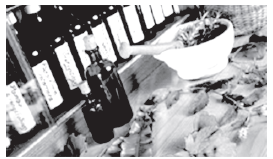
Scientists say that a common ingredient found in
Chinese herbal medicine is responsible for the very high
incidence of some cancers and kidney disease in
Taiwan. For thousands of years the aristolochia plant
[5] with its reddish-yellow flowers has been a mainstay of
Chinese herbal medicine. Sometimes referred to as
birthwort in Europe, the toxic nature of the plant was
discovered in the 1990s when dozens of Belgian women
began developing kidney failure and urinary tract cancers.
[10] They had been using aristolochia-based slimming aids
at clinic.
Now scientists say that the key element,
aristolochic acid, is responsible for the very high levels
of kidney disease and urinary tract tumors in Taiwan.
[15] It’s estimated that about one in three of the population
there have used herbal medicines containing the toxin.
The country has the world’s highest incidence of cancers
of the upper urinary tract - and in their study the scientists
say more than half can be directly linked to the ingredient.
[20] While products containing aristolochic acid are
banned in many countries, one of the big concerns is
China. In 2004 a study suggests Chinese farmers
produce enough of the plant to dose 100 million people.
Scientists are concerned, that in the decades to come,
[25] disease caused by the aristolochia will create an
international public health problem of considerable
magnitude.
Disponível em: <www.bbc.co.uk/worldservice/learningenglish/language/wordsinthenews/2012/04/120412_witn_herbal_medicine.shtml>. Acesso em: 12 out. 2013.
Fill in the parentheses with T (True) or F (False).
It’s stated in the text:
( ) Many countries have forbidden the use of products containing the aristolochic acid.
( ) The Chinese government has been trying unsuccessfully to ban the use of the aristolochia.
( ) Chinese farmers are able to supply a hundred million people with the aristolochia plant.
( ) Scientists believe the use of the aristolochia will cause a lot of damage in the future.
According to the text, the correct sequence, from top to bottom, is:
Questão 42 257994
Unit-SE Medicina - Caderno 1 2014TEXTO:
Scientists say that a common ingredient found in
Chinese herbal medicine is responsible for the very high
incidence of some cancers and kidney disease in
Taiwan. For thousands of years the aristolochia plant
[5] with its reddish-yellow flowers has been a mainstay of
Chinese herbal medicine. Sometimes referred to as
birthwort in Europe, the toxic nature of the plant was
discovered in the 1990s when dozens of Belgian women
began developing kidney failure and urinary tract cancers.
[10] They had been using aristolochia-based slimming aids
at clinic.
Now scientists say that the key element,
aristolochic acid, is responsible for the very high levels
of kidney disease and urinary tract tumors in Taiwan.
[15] It’s estimated that about one in three of the population
there have used herbal medicines containing the toxin.
The country has the world’s highest incidence of cancers
of the upper urinary tract - and in their study the scientists
say more than half can be directly linked to the ingredient.
[20] While products containing aristolochic acid are
banned in many countries, one of the big concerns is
China. In 2004 a study suggests Chinese farmers
produce enough of the plant to dose 100 million people.
Scientists are concerned, that in the decades to come,
[25] disease caused by the aristolochia will create an
international public health problem of considerable
magnitude.
Disponível em: <www.bbc.co.uk/worldservice/learningenglish/language/wordsinthenews/2012/04/120412_witn_herbal_medicine.shtml>. Acesso em: 12 out. 2013.
The text says that, in Taiwan
Questão 38 257984
Unit-SE Medicina - Caderno 1 2014TEXTO:
Life in the age of internet addiction

Just one more tweet, dad!
Anyone who spends their day staring at screens
can speak to the modern-day epidemic of eye fatigue.
But what is our digital obsession doing to our brains?
Researchers have noted a rise in something called Digital
[5] Attention Disorder — the addiction to social networks
and computers in general.
How does it work? More than 50 years ago,
psychologist B.F. Skinner was experimenting on rats
and pigeons, and noticed that the unpredictability of
[10] reward was a major motivator for animals. If a reward
arrives either predictably or too infrequently, the animal
eventually loses interest. But when there was anticipation
of a reward that comes with just enough frequency, the
animals’ brains would consistently release dopamine, a
[15] neurotransmitter in the brain that (basically) regulates
pleasure.
What does this have to do with the internet? Some
researchers believe that intermittent reinforcement — in
the form of texts, tweets, and various other social
[20] media — may be working on our brains the same way
rewards did on Skinner’s rats. “Internet addiction is the
same as any other addiction — excessive release of
dopamine,” says Hilarie Cash, executive director of the
reStart program for internet addiction and recovery, a
[25] Seattle-area rehab program that helps wean people off
the internet. “Addiction is addiction. Whether it’s
gambling, cocaine, alcohol, or Facebook.”
“The vast majority of the American population is
mildly addicted to technology, and our clinic treats only
[30] very serious cases,” she told me in a phone interview.
“Most of the people that come are young adult males
around the ages of 18 to 30 who spend a lot of time on
the internet. Their health is poor, their social relationships
have turned to crap, they have no social confidence or
[35] real-world friends. They don’t date. They don’t work.”
Internet and video game addiction starts young.
Most young men are given computer or video games
when they are five or six years old and therefore their
childhood development is profoundly wired for these
[40] activities. It’s quite different to drug addicts and alcoholics
who are usually exposed to drugs or alcohol closer to
the age of 15. Internet addicts usually have 15 to 20
years of addiction on them due to starting younger.
The problem isn’t just young men, either. “Women
[45] are getting addicted, too,” Cash told me. ”Although
women usually become addicted later in life and, more
often than not, directly to social media, while men are
more adept to becoming addicted to multiplayer games.
Women seem to juggle addiction and life better than
[50] men.”
Life in the age of internet addiction. Disponível em: . Acesso em:12 out. 2013.
The word or expression from the text is correctly defined in alternative
Questão 35 257977
Unit-SE Medicina - Caderno 1 2014TEXTO:
Life in the age of internet addiction
Just one more tweet, dad!
Anyone who spends their day staring at screens
can speak to the modern-day epidemic of eye fatigue.
But what is our digital obsession doing to our brains?
Researchers have noted a rise in something called Digital
[5] Attention Disorder — the addiction to social networks
and computers in general.
How does it work? More than 50 years ago,
psychologist B.F. Skinner was experimenting on rats
and pigeons, and noticed that the unpredictability of
[10] reward was a major motivator for animals. If a reward
arrives either predictably or too infrequently, the animal
eventually loses interest. But when there was anticipation
of a reward that comes with just enough frequency, the
animals’ brains would consistently release dopamine, a
[15] neurotransmitter in the brain that (basically) regulates
pleasure.
What does this have to do with the internet? Some
researchers believe that intermittent reinforcement — in
the form of texts, tweets, and various other social
[20] media — may be working on our brains the same way
rewards did on Skinner’s rats. “Internet addiction is the
same as any other addiction — excessive release of
dopamine,” says Hilarie Cash, executive director of the
reStart program for internet addiction and recovery, a
[25] Seattle-area rehab program that helps wean people off
the internet. “Addiction is addiction. Whether it’s
gambling, cocaine, alcohol, or Facebook.”
“The vast majority of the American population is
mildly addicted to technology, and our clinic treats only
[30] very serious cases,” she told me in a phone interview.
“Most of the people that come are young adult males
around the ages of 18 to 30 who spend a lot of time on
the internet. Their health is poor, their social relationships
have turned to crap, they have no social confidence or
[35] real-world friends. They don’t date. They don’t work.”
Internet and video game addiction starts young.
Most young men are given computer or video games
when they are five or six years old and therefore their
childhood development is profoundly wired for these
[40] activities. It’s quite different to drug addicts and alcoholics
who are usually exposed to drugs or alcohol closer to
the age of 15. Internet addicts usually have 15 to 20
years of addiction on them due to starting younger.
The problem isn’t just young men, either. “Women
[45] are getting addicted, too,” Cash told me. ”Although
women usually become addicted later in life and, more
often than not, directly to social media, while men are
more adept to becoming addicted to multiplayer games.
Women seem to juggle addiction and life better than
[50] men.”
Life in the age of internet addiction. Disponível em: . Acesso em:12 out. 2013.
Hilarie Cash says that
Questão 34 257976
Unit-SE Medicina - Caderno 1 2014TEXTO:
Life in the age of internet addiction
Just one more tweet, dad!
Anyone who spends their day staring at screens
can speak to the modern-day epidemic of eye fatigue.
But what is our digital obsession doing to our brains?
Researchers have noted a rise in something called Digital
[5] Attention Disorder — the addiction to social networks
and computers in general.
How does it work? More than 50 years ago,
psychologist B.F. Skinner was experimenting on rats
and pigeons, and noticed that the unpredictability of
[10] reward was a major motivator for animals. If a reward
arrives either predictably or too infrequently, the animal
eventually loses interest. But when there was anticipation
of a reward that comes with just enough frequency, the
animals’ brains would consistently release dopamine, a
[15] neurotransmitter in the brain that (basically) regulates
pleasure.
What does this have to do with the internet? Some
researchers believe that intermittent reinforcement — in
the form of texts, tweets, and various other social
[20] media — may be working on our brains the same way
rewards did on Skinner’s rats. “Internet addiction is the
same as any other addiction — excessive release of
dopamine,” says Hilarie Cash, executive director of the
reStart program for internet addiction and recovery, a
[25] Seattle-area rehab program that helps wean people off
the internet. “Addiction is addiction. Whether it’s
gambling, cocaine, alcohol, or Facebook.”
“The vast majority of the American population is
mildly addicted to technology, and our clinic treats only
[30] very serious cases,” she told me in a phone interview.
“Most of the people that come are young adult males
around the ages of 18 to 30 who spend a lot of time on
the internet. Their health is poor, their social relationships
have turned to crap, they have no social confidence or
[35] real-world friends. They don’t date. They don’t work.”
Internet and video game addiction starts young.
Most young men are given computer or video games
when they are five or six years old and therefore their
childhood development is profoundly wired for these
[40] activities. It’s quite different to drug addicts and alcoholics
who are usually exposed to drugs or alcohol closer to
the age of 15. Internet addicts usually have 15 to 20
years of addiction on them due to starting younger.
The problem isn’t just young men, either. “Women
[45] are getting addicted, too,” Cash told me. ”Although
women usually become addicted later in life and, more
often than not, directly to social media, while men are
more adept to becoming addicted to multiplayer games.
Women seem to juggle addiction and life better than
[50] men.”
Life in the age of internet addiction. Disponível em: . Acesso em:12 out. 2013.
According to Hilarie Cash, Internet addiction
Questão 33 257974
Unit-SE Medicina - Caderno 1 2014TEXTO:
Life in the age of internet addiction
Just one more tweet, dad!
Anyone who spends their day staring at screens
can speak to the modern-day epidemic of eye fatigue.
But what is our digital obsession doing to our brains?
Researchers have noted a rise in something called Digital
[5] Attention Disorder — the addiction to social networks
and computers in general.
How does it work? More than 50 years ago,
psychologist B.F. Skinner was experimenting on rats
and pigeons, and noticed that the unpredictability of
[10] reward was a major motivator for animals. If a reward
arrives either predictably or too infrequently, the animal
eventually loses interest. But when there was anticipation
of a reward that comes with just enough frequency, the
animals’ brains would consistently release dopamine, a
[15] neurotransmitter in the brain that (basically) regulates
pleasure.
What does this have to do with the internet? Some
researchers believe that intermittent reinforcement — in
the form of texts, tweets, and various other social
[20] media — may be working on our brains the same way
rewards did on Skinner’s rats. “Internet addiction is the
same as any other addiction — excessive release of
dopamine,” says Hilarie Cash, executive director of the
reStart program for internet addiction and recovery, a
[25] Seattle-area rehab program that helps wean people off
the internet. “Addiction is addiction. Whether it’s
gambling, cocaine, alcohol, or Facebook.”
“The vast majority of the American population is
mildly addicted to technology, and our clinic treats only
[30] very serious cases,” she told me in a phone interview.
“Most of the people that come are young adult males
around the ages of 18 to 30 who spend a lot of time on
the internet. Their health is poor, their social relationships
have turned to crap, they have no social confidence or
[35] real-world friends. They don’t date. They don’t work.”
Internet and video game addiction starts young.
Most young men are given computer or video games
when they are five or six years old and therefore their
childhood development is profoundly wired for these
[40] activities. It’s quite different to drug addicts and alcoholics
who are usually exposed to drugs or alcohol closer to
the age of 15. Internet addicts usually have 15 to 20
years of addiction on them due to starting younger.
The problem isn’t just young men, either. “Women
[45] are getting addicted, too,” Cash told me. ”Although
women usually become addicted later in life and, more
often than not, directly to social media, while men are
more adept to becoming addicted to multiplayer games.
Women seem to juggle addiction and life better than
[50] men.”
Life in the age of internet addiction. Disponível em: . Acesso em:12 out. 2013.
Considering Dr. Skinner’s experiment, animals’ interest in an activity results when the reward
06