


![[Marketing] Questao Topo - deslogado](https://storage.estuda.com.br/banners/0_6b7ebee90b03af1c560c73bb8bcce34a_banner_deslogado_70_dias.png)
Questões de Inglês
19.971 Questões
Questão 21 476917
CESMAC Medicina 1° Dia 2015/1In Europe, Fear of Ebola Exceeds the Actual Risks
After more than a decade working as a charity director setting up schools in West Africa, Miriam Mason-Sesay got an unpleasant surprise recently when she returned to Britain and could not find a school willing to teach her own 9-yearold son.
Ms. Mason-Sesay said, her son, Kofi, had always enrolled for short periods at a primary school near Manchester, in northern England, but this year the school refused to take him because the parents of other pupils were frightened: They did not want their children sharing classes with a boy who had spent time in Sierra Leone, one of the three countries hardest hit by the Ebola epidemic.
Across Europe, as in the United States, a virus that, outside Africa, has infected only a handful of people, all of them medical workers in hospitals treating Ebola patients, has stirred a wave of alarm that doctors and psychologists say reflects the insecurities of the modern mind far more than any significant danger to public health.
The result has been a string of unfounded Ebola scares, which in some parts of Europe have led to entire buildings being sealed off and the people inside being held so they could be examined for symptoms.
“People think that Ebola is lurking behind every tree and bush and waiting to get them,” said Ms. Mason-Sesay, the British charity director. She added that the banishment of her son — who had been certified healthy by doctors — pointed to a disturbing mood of fear fueled by ignorance and misinformation.
In a statement, Elizabeth Inman, the principal of St. Simon’s Catholic Primary School, said she had made a “pragmatic decision” not to admit Ms. Mason-Sesay’s son.
Adaptado de: <http://www.nytimes.com/2014/10/18/world/europe/in-europe-fear-ofebola-far-outweighs-the-true-risks.html?ref=health> Acessado em 18 de outubro de 2014.
Ms. Mason-Sesay, the British charity director,
Questão 32 472465
UNIPE 2015/1TEXTO
Light shed on how genes shape face
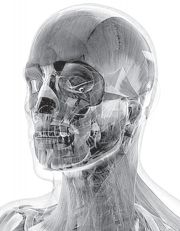
Scientists are starting to understand why one
person’s face can look so different from another’s.
Working on mice, researchers have identified thousands
of small regions of DNA that influence the way facial
[5] features develop. The study also shows that tweaks to
genetic material can subtly alter face shape. The findings,
published in Science, could also help researchers to
learn how facial birth defects arise.
The researchers said that although the work was
[10] carried out on animals, the human face was likely to
develop in the same way. Professor Axel Visel, from the
Joint Genome Institute at the Lawrence Berkeley
National Laboratory in California, told BBC News: “We’re
trying to find out how these instructions for building the
[15] human face are embedded in human DNA.”Somewhere
in there must be that blueprint that defines what our face
looks like.”
The international team has found more than 4,000
“enhancers” in the mouse genome that appear to play a
[20] role in facial appearance. These short stretches of DNA
act like switches, turning genes on and off. And for 200
of these, the researchers have identified how and where
they work in developing mice. Prof Visel said: “In the
mouse embryos we can see where exactly, as the face
[25] develops, this switch turns on the gene that it controls.”
The scientists also looked at what happened when
some of these genetic switches were removed from mice.
“These mice looked pretty normal, but it is really hard
for humans to see differences in the face of mice,”
[30] explained Prof. Visel. By comparing the transgenic mice
with unmodified mice, the researchers found that the
changes were very subtle. However some mice developed
longer or shorter skulls, while others have wider or
narrower faces. “What this really tells us is that this
[35] particular switch also plays a role in development of the
skull and can affect what exactly the skull looks like,”
he explained.
Understanding this could also help to reveal why
and how things can go wrong as embryos develop in the
[40] womb, leading to facial birth defects. Prof Visel said:
“There are many kinds of craniofacial birth defects; cleft
of the lip and palate are the most common ones.And
they have severe implications for the kids that are
affected. They affect feeding, speech, breathing, they
[45] can require extensive surgery and they have psychological
implications.”While some of these are caused by genetic
mutations, the researchers want to understand how the
genetic switches interact.
Professor Visel added that scientists were just at
[50] the beginning of understanding the processes that shape
the face, but their early results suggested it was an
extremely complex process. He said it was unlikely in
the near future that DNA could be used to predict
someone’s exact appearance, or that parents could alter
[55] genetic material to change the way a baby looks.
MORELLE,Rebecca,Science reporter,BBC World Service Disponível: .Acesso em: 8 dez. 2014. Adaptado.
According to Professor Visel, the possibility nowadays of DNA being used to program a baby’s appearance is
Questão 31 472461
UNIPE 2015/1TEXTO
Light shed on how genes shape face
Scientists are starting to understand why one
person’s face can look so different from another’s.
Working on mice, researchers have identified thousands
of small regions of DNA that influence the way facial
[5] features develop. The study also shows that tweaks to
genetic material can subtly alter face shape. The findings,
published in Science, could also help researchers to
learn how facial birth defects arise.
The researchers said that although the work was
[10] carried out on animals, the human face was likely to
develop in the same way. Professor Axel Visel, from the
Joint Genome Institute at the Lawrence Berkeley
National Laboratory in California, told BBC News: “We’re
trying to find out how these instructions for building the
[15] human face are embedded in human DNA.”Somewhere
in there must be that blueprint that defines what our face
looks like.”
The international team has found more than 4,000
“enhancers” in the mouse genome that appear to play a
[20] role in facial appearance. These short stretches of DNA
act like switches, turning genes on and off. And for 200
of these, the researchers have identified how and where
they work in developing mice. Prof Visel said: “In the
mouse embryos we can see where exactly, as the face
[25] develops, this switch turns on the gene that it controls.”
The scientists also looked at what happened when
some of these genetic switches were removed from mice.
“These mice looked pretty normal, but it is really hard
for humans to see differences in the face of mice,”
[30] explained Prof. Visel. By comparing the transgenic mice
with unmodified mice, the researchers found that the
changes were very subtle. However some mice developed
longer or shorter skulls, while others have wider or
narrower faces. “What this really tells us is that this
[35] particular switch also plays a role in development of the
skull and can affect what exactly the skull looks like,”
he explained.
Understanding this could also help to reveal why
and how things can go wrong as embryos develop in the
[40] womb, leading to facial birth defects. Prof Visel said:
“There are many kinds of craniofacial birth defects; cleft
of the lip and palate are the most common ones.And
they have severe implications for the kids that are
affected. They affect feeding, speech, breathing, they
[45] can require extensive surgery and they have psychological
implications.”While some of these are caused by genetic
mutations, the researchers want to understand how the
genetic switches interact.
Professor Visel added that scientists were just at
[50] the beginning of understanding the processes that shape
the face, but their early results suggested it was an
extremely complex process. He said it was unlikely in
the near future that DNA could be used to predict
someone’s exact appearance, or that parents could alter
[55] genetic material to change the way a baby looks.
MORELLE,Rebecca,Science reporter,BBC World Service Disponível: .Acesso em: 8 dez. 2014. Adaptado.
Kids with craniofacial birth defects may _______________
According to the text, the only alternative that does not complete this blank correctly is
Questão 29 472454
UNIPE 2015/1TEXTO
Light shed on how genes shape face
Scientists are starting to understand why one
person’s face can look so different from another’s.
Working on mice, researchers have identified thousands
of small regions of DNA that influence the way facial
[5] features develop. The study also shows that tweaks to
genetic material can subtly alter face shape. The findings,
published in Science, could also help researchers to
learn how facial birth defects arise.
The researchers said that although the work was
[10] carried out on animals, the human face was likely to
develop in the same way. Professor Axel Visel, from the
Joint Genome Institute at the Lawrence Berkeley
National Laboratory in California, told BBC News: “We’re
trying to find out how these instructions for building the
[15] human face are embedded in human DNA.”Somewhere
in there must be that blueprint that defines what our face
looks like.”
The international team has found more than 4,000
“enhancers” in the mouse genome that appear to play a
[20] role in facial appearance. These short stretches of DNA
act like switches, turning genes on and off. And for 200
of these, the researchers have identified how and where
they work in developing mice. Prof Visel said: “In the
mouse embryos we can see where exactly, as the face
[25] develops, this switch turns on the gene that it controls.”
The scientists also looked at what happened when
some of these genetic switches were removed from mice.
“These mice looked pretty normal, but it is really hard
for humans to see differences in the face of mice,”
[30] explained Prof. Visel. By comparing the transgenic mice
with unmodified mice, the researchers found that the
changes were very subtle. However some mice developed
longer or shorter skulls, while others have wider or
narrower faces. “What this really tells us is that this
[35] particular switch also plays a role in development of the
skull and can affect what exactly the skull looks like,”
he explained.
Understanding this could also help to reveal why
and how things can go wrong as embryos develop in the
[40] womb, leading to facial birth defects. Prof Visel said:
“There are many kinds of craniofacial birth defects; cleft
of the lip and palate are the most common ones.And
they have severe implications for the kids that are
affected. They affect feeding, speech, breathing, they
[45] can require extensive surgery and they have psychological
implications.”While some of these are caused by genetic
mutations, the researchers want to understand how the
genetic switches interact.
Professor Visel added that scientists were just at
[50] the beginning of understanding the processes that shape
the face, but their early results suggested it was an
extremely complex process. He said it was unlikely in
the near future that DNA could be used to predict
someone’s exact appearance, or that parents could alter
[55] genetic material to change the way a baby looks.
MORELLE,Rebecca,Science reporter,BBC World Service Disponível: .Acesso em: 8 dez. 2014. Adaptado.
According to the text, researchers are very hopeful that these findings
Questão 28 472445
UNIPE 2015/1TEXTO
Light shed on how genes shape face
Scientists are starting to understand why one
person’s face can look so different from another’s.
Working on mice, researchers have identified thousands
of small regions of DNA that influence the way facial
[5] features develop. The study also shows that tweaks to
genetic material can subtly alter face shape. The findings,
published in Science, could also help researchers to
learn how facial birth defects arise.
The researchers said that although the work was
[10] carried out on animals, the human face was likely to
develop in the same way. Professor Axel Visel, from the
Joint Genome Institute at the Lawrence Berkeley
National Laboratory in California, told BBC News: “We’re
trying to find out how these instructions for building the
[15] human face are embedded in human DNA.”Somewhere
in there must be that blueprint that defines what our face
looks like.”
The international team has found more than 4,000
“enhancers” in the mouse genome that appear to play a
[20] role in facial appearance. These short stretches of DNA
act like switches, turning genes on and off. And for 200
of these, the researchers have identified how and where
they work in developing mice. Prof Visel said: “In the
mouse embryos we can see where exactly, as the face
[25] develops, this switch turns on the gene that it controls.”
The scientists also looked at what happened when
some of these genetic switches were removed from mice.
“These mice looked pretty normal, but it is really hard
for humans to see differences in the face of mice,”
[30] explained Prof. Visel. By comparing the transgenic mice
with unmodified mice, the researchers found that the
changes were very subtle. However some mice developed
longer or shorter skulls, while others have wider or
narrower faces. “What this really tells us is that this
[35] particular switch also plays a role in development of the
skull and can affect what exactly the skull looks like,”
he explained.
Understanding this could also help to reveal why
and how things can go wrong as embryos develop in the
[40] womb, leading to facial birth defects. Prof Visel said:
“There are many kinds of craniofacial birth defects; cleft
of the lip and palate are the most common ones.And
they have severe implications for the kids that are
affected. They affect feeding, speech, breathing, they
[45] can require extensive surgery and they have psychological
implications.”While some of these are caused by genetic
mutations, the researchers want to understand how the
genetic switches interact.
Professor Visel added that scientists were just at
[50] the beginning of understanding the processes that shape
the face, but their early results suggested it was an
extremely complex process. He said it was unlikely in
the near future that DNA could be used to predict
someone’s exact appearance, or that parents could alter
[55] genetic material to change the way a baby looks.
MORELLE,Rebecca,Science reporter,BBC World Service Disponível: .Acesso em: 8 dez. 2014. Adaptado.
Fill in the parentheses with T (True) or F (False).
Taking into account the results of the experience with mice, it’s correct to say:
( ) The scientists have concluded that our genes are potentially able to influence the way we look.
( ) It has been found out that just small adjustments to the mice’s DNA could alter the shape of their face.
( ) The researchers want to discover the possible role played by our genes in the building up of the human face.
( ) The researchers have found some negligible evidence in the mice genome that account for facial appearance modifications.
The correct sequence, from top to bottom, is
Questão 27 472442
UNIPE 2015/1TEXTO:
Dieters, beware
Supplements for weight loss are heavy on claims and light on scientific proof
If there existed a safe, effective and rigorously
tested weight-loss pill that could help slim you down
without dangerous side effects, you’d be best off hearing
about it from your doctor. But for now, most weight-loss
[5] supplements are not evaluated for safety by the U.S.
Food and Drug Administration (FDA) and their too-goodto-
be-true promises come from marketers, whose claims
are facing scrutiny by the Federal Trade Commission.
Diet-supplement claims were also at the center of
[10] a recent Senate hearing, where law-makers questioned
Dr. Mehmet Oz for having called some diet pills a
“miracle” and “magic weight-loss cure” despite a lack of
validated scientific evidence. And while prescription
weight-loss drugs like Belviq and Qsymia are regulated
[15] by the FDA, supplements are not. A bill introduced in
2013 requiring companies to register their products with
the FDA and improve labeling to include safety risks
and efficacy is now before a Senate committee. In the
meantime, here is what science says – or doesn’t say –
[20] about what’s out there.
The universe of diet supplements
1. FAT BURNERS
( gamma linoleic acid, DNP)
AÇAI BERRY
Claim: They will “melt away” fat and help build muscle.
Science: Not much. There’s insufficient evidence that they can contribute to weight loss.
Risks: Some are banned by the FDA (though they remain available online) over risks of organ failure.
2. APPETITE SUPPRESSANTS
( hoodia, beta glucan)
WHEY
Claim: The pills and powders can make you feel full, causing you to eat less.
Science: There are few human studies confirming their effectiveness.
Risks: Since they haven’t been well studied, side effects are wholly unknown.
3.FAT BLOCKERS
(chitosan)
GUAR GUM, HYDROXYCITRATE
Claim: You won’t absorb as much dietary fat from your food.
Science: There isn’t strong evidence that these work without a low-calorie diet.
Risks: Some cause diarrhea and inhibit vitamin absorption, while others, made from shellfish, may trigger allergic reactions.
4.METABOLISM BOOSTERS
(leptin)
BITTER ORANGE, GREEN COFFEE
Claim: They help you burn more fat and calories.
Science: Stimulants may help cells use more energy, but they can come with serious adverse effects.
Risks: Some stimulants speed heart rate and blood pressure, and heart attacks have been reported.
PARK, Alice; SIFFERLIN, Alexandra. TIME, Jul 7-14, 2014. p.12.
The phrase “too-good-to-be-true promises” (l. 6-7) is closest in meaning to
06