


![[Marketing] Questao Topo - deslogado](https://storage.estuda.com.br/banners/0_6b7ebee90b03af1c560c73bb8bcce34a_banner_deslogado_70_dias.png)
Questões de Inglês
19.971 Questões
Questão 59 215368
UECE 2013TEXT
What would it take to persuade you to exercise? A desire to lose weight or improve your figure? To keep heart disease, cancer or diabetes at bay? To lower your blood pressure or cholesterol? To protect your bones? To live to a healthy old age?
You’d think any of those reasons would be sufficient to get Americans exercising, but scores of studies have shown otherwise. It seems that public health experts, doctors and exercise devotees in the media — like me — have been using ineffective tactics to entice sedentary people to become, and remain, physically active.
For decades, people have been bombarded with messages that regular exercise is necessary to lose weight, prevent serious disease and foster healthy aging. And yes, most people say they value these goals. Yet a vast majority of Americans — two-thirds of whom are overweight or obese — have thus far failed to swallow the “exercise pill.”
Now research by psychologists strongly suggests it’s time to stop thinking of future health, weight loss and body image as motivators for exercise. Instead, these experts recommend a strategy marketers use to sell products: portray physical activity as a way to enhance current wellbeing and happiness.
“We need to make exercise relevant to people’s daily lives,” Michelle L. Segar, a research investigator at the Institute for Research on Women and Gender at the University of Michigan, said in an interview. “Everyone’s schedule is packed with nonstop to-do’s. We can only fit in what’s essential.”
Dr. Segar is among the experts who believe that people will not commit to exercise if they see its benefits as distant or theoretical. “It has to be portrayed as a compelling behavior that can benefit us today,” she said. “People who say they exercise for its benefits to quality of life exercise more over the course of a year than those who say they value exercise for its health benefits.”
Her idea for a public service advertisement to promote exercise for working women with families: A woman is shown walking around the block after dinner with her children and says, “This is great. I can fit in fitness, spend quality time with my kids, and at the same time teach them how important exercise is.”
Based on studies of what motivates people to adopt and sustain physical activity, Dr. Segar is urging that experts stop framing moderate exercise as a medical prescription that requires 150 minutes of aerobic effort each week. Instead, public health officials must begin to address “the emotional hooks that make it essential for people to fit it into their hectic lives.” “Immediate rewards are more motivating than distant ones,” she added. “Feeling happy and less stressed is more motivating than not getting heart disease or cancer, maybe, someday in the future.”
In a study of 252 office workers, David K. Ingledew and David Markland, psychologists at the University of Wales, found that while many began to exercise as way to lose weight and improve their appearance, these motivations did not keep them exercising in the long term. “The well-being and enjoyment benefits of exercise should be emphasized,” the researchers concluded.
Dr. Segar put it this way: “Physical activity is an elixir of life, but we’re not teaching people that. We’re telling them it’s a pill to take or a punishment for bad numbers on the scale. Sustaining physical activity is a motivational and emotional issue, not a medical one.”
Other studies have shown that what gets people off their duffs and keeps them moving depends on age, gender, life circumstances and even ethnicity. For those of college age, for example, physical attractiveness typically heads the list of reasons to begin exercising, although what keeps them going seems to be the stress relief that a regular exercise program provides.
The elderly, on the other hand, may get started because of health concerns. But often what keeps them exercising are the friendships, sense of community and camaraderie that may otherwise be missing from their lives — easily seen among the gray-haired women who faithfully attend water exercise classes at my local YMCA.
In a recent study of 1,690 overweight or obese middle-aged men and women, Dr. Segar found that enhancing daily well-being was most influential factor for the women in the study. Men indicated they were motivated by more distant health benefits, although Dr. Segar suspects this may be because men feel less comfortable discussing their mental health needs.
“What sustains us, we sustain,” Dr. Segar said. “We need to promote what marketers call ‘customer loyalty.’ We need to help people stay engaged with movement by teaching them how it can help sustain them in their lives.“
Many, if not most, people start exercising because they want to lose weight. But very often they abandon exercise when the expected pounds fail to fall off. Study after study has found that, without major changes in eating habits, increasing physical activity is only somewhat effective for losing weight, though it helps people maintain weight loss and shedding even a few pounds, especially around one’s middle, can improve health.
For example, researchers in Brisbane, Australia, and in Leeds, England, studied 58 sedentary overweight or obese men and women who participated in a closely monitored 12-week aerobic exercise program. Weight loss was minimal, but nonetheless the participants’ waistlines shrunk, their blood pressure and resting heart rate dropped, and their aerobic capacity and mood improved.
“Exercise should be encouraged and the emphasis on weight loss reduced,” the researchers concluded. “Disappointment and low self-esteem associated with poor weight loss could lead to low exercise adherence and a general perception that exercise is futile and not beneficial.”
http://well.blogs.nytimes.com/2012/08/27
As to the way middle-aged men and women view exercising, the research mentioned in the text has also found that
Questão 58 215367
UECE 2013TEXT
What would it take to persuade you to exercise? A desire to lose weight or improve your figure? To keep heart disease, cancer or diabetes at bay? To lower your blood pressure or cholesterol? To protect your bones? To live to a healthy old age?
You’d think any of those reasons would be sufficient to get Americans exercising, but scores of studies have shown otherwise. It seems that public health experts, doctors and exercise devotees in the media — like me — have been using ineffective tactics to entice sedentary people to become, and remain, physically active.
For decades, people have been bombarded with messages that regular exercise is necessary to lose weight, prevent serious disease and foster healthy aging. And yes, most people say they value these goals. Yet a vast majority of Americans — two-thirds of whom are overweight or obese — have thus far failed to swallow the “exercise pill.”
Now research by psychologists strongly suggests it’s time to stop thinking of future health, weight loss and body image as motivators for exercise. Instead, these experts recommend a strategy marketers use to sell products: portray physical activity as a way to enhance current wellbeing and happiness.
“We need to make exercise relevant to people’s daily lives,” Michelle L. Segar, a research investigator at the Institute for Research on Women and Gender at the University of Michigan, said in an interview. “Everyone’s schedule is packed with nonstop to-do’s. We can only fit in what’s essential.”
Dr. Segar is among the experts who believe that people will not commit to exercise if they see its benefits as distant or theoretical. “It has to be portrayed as a compelling behavior that can benefit us today,” she said. “People who say they exercise for its benefits to quality of life exercise more over the course of a year than those who say they value exercise for its health benefits.”
Her idea for a public service advertisement to promote exercise for working women with families: A woman is shown walking around the block after dinner with her children and says, “This is great. I can fit in fitness, spend quality time with my kids, and at the same time teach them how important exercise is.”
Based on studies of what motivates people to adopt and sustain physical activity, Dr. Segar is urging that experts stop framing moderate exercise as a medical prescription that requires 150 minutes of aerobic effort each week. Instead, public health officials must begin to address “the emotional hooks that make it essential for people to fit it into their hectic lives.” “Immediate rewards are more motivating than distant ones,” she added. “Feeling happy and less stressed is more motivating than not getting heart disease or cancer, maybe, someday in the future.”
In a study of 252 office workers, David K. Ingledew and David Markland, psychologists at the University of Wales, found that while many began to exercise as way to lose weight and improve their appearance, these motivations did not keep them exercising in the long term. “The well-being and enjoyment benefits of exercise should be emphasized,” the researchers concluded.
Dr. Segar put it this way: “Physical activity is an elixir of life, but we’re not teaching people that. We’re telling them it’s a pill to take or a punishment for bad numbers on the scale. Sustaining physical activity is a motivational and emotional issue, not a medical one.”
Other studies have shown that what gets people off their duffs and keeps them moving depends on age, gender, life circumstances and even ethnicity. For those of college age, for example, physical attractiveness typically heads the list of reasons to begin exercising, although what keeps them going seems to be the stress relief that a regular exercise program provides.
The elderly, on the other hand, may get started because of health concerns. But often what keeps them exercising are the friendships, sense of community and camaraderie that may otherwise be missing from their lives — easily seen among the gray-haired women who faithfully attend water exercise classes at my local YMCA.
In a recent study of 1,690 overweight or obese middle-aged men and women, Dr. Segar found that enhancing daily well-being was most influential factor for the women in the study. Men indicated they were motivated by more distant health benefits, although Dr. Segar suspects this may be because men feel less comfortable discussing their mental health needs.
“What sustains us, we sustain,” Dr. Segar said. “We need to promote what marketers call ‘customer loyalty.’ We need to help people stay engaged with movement by teaching them how it can help sustain them in their lives.“
Many, if not most, people start exercising because they want to lose weight. But very often they abandon exercise when the expected pounds fail to fall off. Study after study has found that, without major changes in eating habits, increasing physical activity is only somewhat effective for losing weight, though it helps people maintain weight loss and shedding even a few pounds, especially around one’s middle, can improve health.
For example, researchers in Brisbane, Australia, and in Leeds, England, studied 58 sedentary overweight or obese men and women who participated in a closely monitored 12-week aerobic exercise program. Weight loss was minimal, but nonetheless the participants’ waistlines shrunk, their blood pressure and resting heart rate dropped, and their aerobic capacity and mood improved.
“Exercise should be encouraged and the emphasis on weight loss reduced,” the researchers concluded. “Disappointment and low self-esteem associated with poor weight loss could lead to low exercise adherence and a general perception that exercise is futile and not beneficial.”
http://well.blogs.nytimes.com/2012/08/27
According to the text, some studies have revealed that physical activity alone is not very effective to make people lose weight. It needs to be accompanied by a/an
Questão 57 215366
UECE 2013TEXT
What would it take to persuade you to exercise? A desire to lose weight or improve your figure? To keep heart disease, cancer or diabetes at bay? To lower your blood pressure or cholesterol? To protect your bones? To live to a healthy old age?
You’d think any of those reasons would be sufficient to get Americans exercising, but scores of studies have shown otherwise. It seems that public health experts, doctors and exercise devotees in the media — like me — have been using ineffective tactics to entice sedentary people to become, and remain, physically active.
For decades, people have been bombarded with messages that regular exercise is necessary to lose weight, prevent serious disease and foster healthy aging. And yes, most people say they value these goals. Yet a vast majority of Americans — two-thirds of whom are overweight or obese — have thus far failed to swallow the “exercise pill.”
Now research by psychologists strongly suggests it’s time to stop thinking of future health, weight loss and body image as motivators for exercise. Instead, these experts recommend a strategy marketers use to sell products: portray physical activity as a way to enhance current wellbeing and happiness.
“We need to make exercise relevant to people’s daily lives,” Michelle L. Segar, a research investigator at the Institute for Research on Women and Gender at the University of Michigan, said in an interview. “Everyone’s schedule is packed with nonstop to-do’s. We can only fit in what’s essential.”
Dr. Segar is among the experts who believe that people will not commit to exercise if they see its benefits as distant or theoretical. “It has to be portrayed as a compelling behavior that can benefit us today,” she said. “People who say they exercise for its benefits to quality of life exercise more over the course of a year than those who say they value exercise for its health benefits.”
Her idea for a public service advertisement to promote exercise for working women with families: A woman is shown walking around the block after dinner with her children and says, “This is great. I can fit in fitness, spend quality time with my kids, and at the same time teach them how important exercise is.”
Based on studies of what motivates people to adopt and sustain physical activity, Dr. Segar is urging that experts stop framing moderate exercise as a medical prescription that requires 150 minutes of aerobic effort each week. Instead, public health officials must begin to address “the emotional hooks that make it essential for people to fit it into their hectic lives.” “Immediate rewards are more motivating than distant ones,” she added. “Feeling happy and less stressed is more motivating than not getting heart disease or cancer, maybe, someday in the future.”
In a study of 252 office workers, David K. Ingledew and David Markland, psychologists at the University of Wales, found that while many began to exercise as way to lose weight and improve their appearance, these motivations did not keep them exercising in the long term. “The well-being and enjoyment benefits of exercise should be emphasized,” the researchers concluded.
Dr. Segar put it this way: “Physical activity is an elixir of life, but we’re not teaching people that. We’re telling them it’s a pill to take or a punishment for bad numbers on the scale. Sustaining physical activity is a motivational and emotional issue, not a medical one.”
Other studies have shown that what gets people off their duffs and keeps them moving depends on age, gender, life circumstances and even ethnicity. For those of college age, for example, physical attractiveness typically heads the list of reasons to begin exercising, although what keeps them going seems to be the stress relief that a regular exercise program provides.
The elderly, on the other hand, may get started because of health concerns. But often what keeps them exercising are the friendships, sense of community and camaraderie that may otherwise be missing from their lives — easily seen among the gray-haired women who faithfully attend water exercise classes at my local YMCA.
In a recent study of 1,690 overweight or obese middle-aged men and women, Dr. Segar found that enhancing daily well-being was most influential factor for the women in the study. Men indicated they were motivated by more distant health benefits, although Dr. Segar suspects this may be because men feel less comfortable discussing their mental health needs.
“What sustains us, we sustain,” Dr. Segar said. “We need to promote what marketers call ‘customer loyalty.’ We need to help people stay engaged with movement by teaching them how it can help sustain them in their lives.“
Many, if not most, people start exercising because they want to lose weight. But very often they abandon exercise when the expected pounds fail to fall off. Study after study has found that, without major changes in eating habits, increasing physical activity is only somewhat effective for losing weight, though it helps people maintain weight loss and shedding even a few pounds, especially around one’s middle, can improve health.
For example, researchers in Brisbane, Australia, and in Leeds, England, studied 58 sedentary overweight or obese men and women who participated in a closely monitored 12-week aerobic exercise program. Weight loss was minimal, but nonetheless the participants’ waistlines shrunk, their blood pressure and resting heart rate dropped, and their aerobic capacity and mood improved.
“Exercise should be encouraged and the emphasis on weight loss reduced,” the researchers concluded. “Disappointment and low self-esteem associated with poor weight loss could lead to low exercise adherence and a general perception that exercise is futile and not beneficial.”
http://well.blogs.nytimes.com/2012/08/27
As to the question of the interests of different age groups in terms of committing to exercising and remaining in the practice, it is stated that
Questão 56 215365
UECE 2013TEXT
What would it take to persuade you to exercise? A desire to lose weight or improve your figure? To keep heart disease, cancer or diabetes at bay? To lower your blood pressure or cholesterol? To protect your bones? To live to a healthy old age?
You’d think any of those reasons would be sufficient to get Americans exercising, but scores of studies have shown otherwise. It seems that public health experts, doctors and exercise devotees in the media — like me — have been using ineffective tactics to entice sedentary people to become, and remain, physically active.
For decades, people have been bombarded with messages that regular exercise is necessary to lose weight, prevent serious disease and foster healthy aging. And yes, most people say they value these goals. Yet a vast majority of Americans — two-thirds of whom are overweight or obese — have thus far failed to swallow the “exercise pill.”
Now research by psychologists strongly suggests it’s time to stop thinking of future health, weight loss and body image as motivators for exercise. Instead, these experts recommend a strategy marketers use to sell products: portray physical activity as a way to enhance current wellbeing and happiness.
“We need to make exercise relevant to people’s daily lives,” Michelle L. Segar, a research investigator at the Institute for Research on Women and Gender at the University of Michigan, said in an interview. “Everyone’s schedule is packed with nonstop to-do’s. We can only fit in what’s essential.”
Dr. Segar is among the experts who believe that people will not commit to exercise if they see its benefits as distant or theoretical. “It has to be portrayed as a compelling behavior that can benefit us today,” she said. “People who say they exercise for its benefits to quality of life exercise more over the course of a year than those who say they value exercise for its health benefits.”
Her idea for a public service advertisement to promote exercise for working women with families: A woman is shown walking around the block after dinner with her children and says, “This is great. I can fit in fitness, spend quality time with my kids, and at the same time teach them how important exercise is.”
Based on studies of what motivates people to adopt and sustain physical activity, Dr. Segar is urging that experts stop framing moderate exercise as a medical prescription that requires 150 minutes of aerobic effort each week. Instead, public health officials must begin to address “the emotional hooks that make it essential for people to fit it into their hectic lives.” “Immediate rewards are more motivating than distant ones,” she added. “Feeling happy and less stressed is more motivating than not getting heart disease or cancer, maybe, someday in the future.”
In a study of 252 office workers, David K. Ingledew and David Markland, psychologists at the University of Wales, found that while many began to exercise as way to lose weight and improve their appearance, these motivations did not keep them exercising in the long term. “The well-being and enjoyment benefits of exercise should be emphasized,” the researchers concluded.
Dr. Segar put it this way: “Physical activity is an elixir of life, but we’re not teaching people that. We’re telling them it’s a pill to take or a punishment for bad numbers on the scale. Sustaining physical activity is a motivational and emotional issue, not a medical one.”
Other studies have shown that what gets people off their duffs and keeps them moving depends on age, gender, life circumstances and even ethnicity. For those of college age, for example, physical attractiveness typically heads the list of reasons to begin exercising, although what keeps them going seems to be the stress relief that a regular exercise program provides.
The elderly, on the other hand, may get started because of health concerns. But often what keeps them exercising are the friendships, sense of community and camaraderie that may otherwise be missing from their lives — easily seen among the gray-haired women who faithfully attend water exercise classes at my local YMCA.
In a recent study of 1,690 overweight or obese middle-aged men and women, Dr. Segar found that enhancing daily well-being was most influential factor for the women in the study. Men indicated they were motivated by more distant health benefits, although Dr. Segar suspects this may be because men feel less comfortable discussing their mental health needs.
“What sustains us, we sustain,” Dr. Segar said. “We need to promote what marketers call ‘customer loyalty.’ We need to help people stay engaged with movement by teaching them how it can help sustain them in their lives.“
Many, if not most, people start exercising because they want to lose weight. But very often they abandon exercise when the expected pounds fail to fall off. Study after study has found that, without major changes in eating habits, increasing physical activity is only somewhat effective for losing weight, though it helps people maintain weight loss and shedding even a few pounds, especially around one’s middle, can improve health.
For example, researchers in Brisbane, Australia, and in Leeds, England, studied 58 sedentary overweight or obese men and women who participated in a closely monitored 12-week aerobic exercise program. Weight loss was minimal, but nonetheless the participants’ waistlines shrunk, their blood pressure and resting heart rate dropped, and their aerobic capacity and mood improved.
“Exercise should be encouraged and the emphasis on weight loss reduced,” the researchers concluded. “Disappointment and low self-esteem associated with poor weight loss could lead to low exercise adherence and a general perception that exercise is futile and not beneficial.”
http://well.blogs.nytimes.com/2012/08/27
The text mentions a study which suggests that the tactics to make people more involved in exercising should shift from emphasizing
Questão 60 197177
IMEPAC 2013/2Study Suggests Only Half Of Americans With Hepatitis C Receive Complete Testing For The Virus
Main Category: Liver Disease / Hepatitis
Article Date: 09 May 2013 - 2:00 PDT
CDC reinforces need for appropriate follow-up testing for current infection
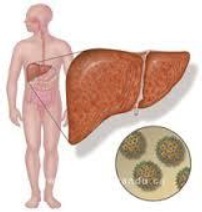
Only half of Americans identified as ever having had hepatitis C received follow-up testing showing that they were still infected, according to a Centers for Disease Control and Prevention analysis of data from a multi-area study published today in the CDC report Vital Signs.
"Many people who test positive on an initial hepatitis C test are not receiving the necessary follow-up test to know if their body has cleared the virus or if they are still infected," said CDC Director Tom Frieden, M.D., M.P.H. "Complete testing is critical to ensure that those who are infected receive the care and treatment for hepatitis C that they need in order to prevent liver cancer and other serious and potentially deadly health consequences."
Testing for hepatitis C includes a blood test, called an antibody test, to determine if an individual has ever been infected with the virus. For people with a positive antibody test result, a follow-up test - called an RNA test - should be given to determine whether they are still infected so they can get needed care and treatment.
A small number of people with antibody-positive tests will have cleared the infection on their own, but most people with hepatitis C (about 80 percent) remain infected and can go on to develop significant health problems.
For the Vital Signs study, researchers looked at data from eight areas across the nation funded by CDC to conduct enhanced surveillance for hepatitis C virus infection. Of the hepatitis C cases reported in these areas (i.e., those cases with antibody-positive results), only 51 percent of the cases also included a follow-up (RNA) test result that identified current infection. Without follow-up testing, the other half are likely unaware if they are currently infected and therefore cannot get appropriate medical care.
Data included in this analysis also underscore the severe impact of hepatitis C among baby boomers. In the eight areas studied, 67 percent of all reported cases of current infection were among those born from 1945 through 1965. Deaths among people with hepatitis C also were more common among those born during these years (accounting for 72 percent of all reported deaths).
"Hepatitis C has few noticeable symptoms, and left undiagnosed it threatens the health of far too many Americans - especially baby boomers," said John Ward, M.D., director of CDC's Division of Viral Hepatitis. "Identifying those who are currently infected is important because new effective treatments can cure the infection better than ever before, as well as eliminate the risk of transmission to others."
Overall, approximately 3 million Americans are infected with hepatitis C and up to 3 out of 4 do not know they are infected. The vast majority of those affected are baby boomers, or those born from 1945 through 1965. Left untreated, hepatitis C can cause serious liver damage, including liver cancer. Hepatitis C is a leading cause of liver cancer and the most common indication for liver transplants. In fact, liver cancer is the fastest-rising cause of cancer-related death in the United States. Deaths from hepatitis C have nearly doubled over the past decade, now accounting for more than 15,000 deaths each year.
In light of increasing evidence that many patients are not receiving the follow-up test, as well as recent changes in testing technologies and the availability of new effective treatments for hepatitis C, CDC is issuing updated guidance for health care providers on hepatitis C testing. These guidelines reinforce the recommended process for hepatitis C testing and underscore the importance of providers conducting follow-up RNA testing for all patients with a positive antibody test result in order to help ensure people infected with hepatitis C are properly tested and identified.
CDC recommends that everyone in the United States born from 1945 through 1965 be tested for hepatitis C. CDC also recommends that other populations at increased risk for hepatitis C get tested, including those who received blood transfusions or organ transplants before widespread screening of the blood supply began in 1992, or those who have ever injected drugs.
Text: http://www.medicalnewstoday.com/releases/260283.php; Image: www.google.com/imagens (Accessed on May 9, 2013)
The overall subject of the article is the preoccupation with
Questão 58 197173
IMEPAC 2013/2Study Suggests Only Half Of Americans With Hepatitis C Receive Complete Testing For The Virus
Main Category: Liver Disease / Hepatitis
Article Date: 09 May 2013 - 2:00 PDT
CDC reinforces need for appropriate follow-up testing for current infection
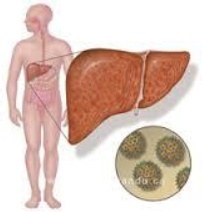
Only half of Americans identified as ever having had hepatitis C received follow-up testing showing that they were still infected, according to a Centers for Disease Control and Prevention analysis of data from a multi-area study published today in the CDC report Vital Signs.
"Many people who test positive on an initial hepatitis C test are not receiving the necessary follow-up test to know if their body has cleared the virus or if they are still infected," said CDC Director Tom Frieden, M.D., M.P.H. "Complete testing is critical to ensure that those who are infected receive the care and treatment for hepatitis C that they need in order to prevent liver cancer and other serious and potentially deadly health consequences."
Testing for hepatitis C includes a blood test, called an antibody test, to determine if an individual has ever been infected with the virus. For people with a positive antibody test result, a follow-up test - called an RNA test - should be given to determine whether they are still infected so they can get needed care and treatment.
A small number of people with antibody-positive tests will have cleared the infection on their own, but most people with hepatitis C (about 80 percent) remain infected and can go on to develop significant health problems.
For the Vital Signs study, researchers looked at data from eight areas across the nation funded by CDC to conduct enhanced surveillance for hepatitis C virus infection. Of the hepatitis C cases reported in these areas (i.e., those cases with antibody-positive results), only 51 percent of the cases also included a follow-up (RNA) test result that identified current infection. Without follow-up testing, the other half are likely unaware if they are currently infected and therefore cannot get appropriate medical care.
Data included in this analysis also underscore the severe impact of hepatitis C among baby boomers. In the eight areas studied, 67 percent of all reported cases of current infection were among those born from 1945 through 1965. Deaths among people with hepatitis C also were more common among those born during these years (accounting for 72 percent of all reported deaths).
"Hepatitis C has few noticeable symptoms, and left undiagnosed it threatens the health of far too many Americans - especially baby boomers," said John Ward, M.D., director of CDC's Division of Viral Hepatitis. "Identifying those who are currently infected is important because new effective treatments can cure the infection better than ever before, as well as eliminate the risk of transmission to others."
Overall, approximately 3 million Americans are infected with hepatitis C and up to 3 out of 4 do not know they are infected. The vast majority of those affected are baby boomers, or those born from 1945 through 1965. Left untreated, hepatitis C can cause serious liver damage, including liver cancer. Hepatitis C is a leading cause of liver cancer and the most common indication for liver transplants. In fact, liver cancer is the fastest-rising cause of cancer-related death in the United States. Deaths from hepatitis C have nearly doubled over the past decade, now accounting for more than 15,000 deaths each year.
In light of increasing evidence that many patients are not receiving the follow-up test, as well as recent changes in testing technologies and the availability of new effective treatments for hepatitis C, CDC is issuing updated guidance for health care providers on hepatitis C testing. These guidelines reinforce the recommended process for hepatitis C testing and underscore the importance of providers conducting follow-up RNA testing for all patients with a positive antibody test result in order to help ensure people infected with hepatitis C are properly tested and identified.
CDC recommends that everyone in the United States born from 1945 through 1965 be tested for hepatitis C. CDC also recommends that other populations at increased risk for hepatitis C get tested, including those who received blood transfusions or organ transplants before widespread screening of the blood supply began in 1992, or those who have ever injected drugs.
Text: http://www.medicalnewstoday.com/releases/260283.php; Image: www.google.com/imagens (Accessed on May 9, 2013)
We learn from the article that all the following alternatives are true about the United States, EXCEPT:
06