


![[Marketing] Questao Topo - deslogado](https://storage.estuda.com.br/banners/0_6b7ebee90b03af1c560c73bb8bcce34a_banner_deslogado_70_dias.png)
Questões de Inglês
19.971 Questões
Questão 13 106909
UNIVAG 2014/2Can You Die From Drinking Too Much Soda?
Alexandra Sifferlin
February 08, 2014
Parents of a 5-year-old girl who reportedly forced their daughter to drink more than 2 L of soda and water were charged with murder Friday. After drinking some of her stepmother’s grape soda, Alexa Linboom was made to chug several 12-oz. bottles of it over one or two hours as a form of punishment. After vomiting, screaming in pain and urinating on herself, Alexa became paralyzed, and then unconscious, according to the Associated Press. An autopsy report of the child in 2012 revealed that the massive intake of liquids caused her brain to swell, and then herniate. Officially, Alexa died of acute fluid intoxication, and her death was ruled a homicide.
Drinking water is good for us, but drinking too much water – or, in this case, soda – too quickly can be deadly. Our kidneys are supposed to keep our bodies balanced by controlling how much water and salt leaves the body. But if a person drinks more water than the body can handle, the kidneys can’t keep up. The excess water starts to enter the cells, and that’s when things get dangerous.
When it comes to water intoxication, it’s about the amount of fluid consumed, and not the type, says Dr. Robert Glatter, an emergency-medicine physician at Lenox Hill Hospital in New York City. But soda can exacerbate the problem because it results in more fluid when the carbonation breaks down.
Acute fluid intoxication, also known as water intoxication or water poisoning, occurs when the electrolytes in cells in the bloodstream and brain neurons become so diluted they can no longer function. As more water enters the body, sodium ions – critical to cell and nerve function, and especially transporting nutrients throughout the body – exit the cells.
Abnormally low sodium levels in the body lead to hyponatremia, explains Glatter. Depending on how quickly an individual’s sodium levels drop, symptoms can come at different speeds. These symptoms may be similar to being drunk from alcohol, and people may experience nausea, vomiting, slurred speech, headaches and confusion. In severe cases, there can be additional muscle weakness and difficulty breathing – both of which can progress to a coma and even death. Oftentimes, the person suffering from hyponatremia will have a seizure.
This isn’t the first case of an individual dying from drinking too much fluid like water or soda. There have been several reports of people dying from drinking too much water after taking MDMA – also known as ecstasy – and feeling unable to quench their thirst. A woman also died after competing in a radio-station challenge to see how much water she could drink before going to the bathroom. In normal situations, it’s difficult to drink yourself to death, Glatter says. Don’t drink beyond your comfort level – you will know when you feel full.
(www.time.com. Adaptado.)
No trecho do primeiro parágrafo – After drinking some of her stepmother\'s grape soda, Alexa Linboom was made to chug several 12-oz. bottles of it over one or two hours –, o pronome em destaque retoma
Questão 12 106908
UNIVAG 2014/2Can You Die From Drinking Too Much Soda?
Alexandra Sifferlin
February 08, 2014
Parents of a 5-year-old girl who reportedly forced their daughter to drink more than 2 L of soda and water were charged with murder Friday. After drinking some of her stepmother’s grape soda, Alexa Linboom was made to chug several 12-oz. bottles of it over one or two hours as a form of punishment. After vomiting, screaming in pain and urinating on herself, Alexa became paralyzed, and then unconscious, according to the Associated Press. An autopsy report of the child in 2012 revealed that the massive intake of liquids caused her brain to swell, and then herniate. Officially, Alexa died of acute fluid intoxication, and her death was ruled a homicide.
Drinking water is good for us, but drinking too much water – or, in this case, soda – too quickly can be deadly. Our kidneys are supposed to keep our bodies balanced by controlling how much water and salt leaves the body. But if a person drinks more water than the body can handle, the kidneys can’t keep up. The excess water starts to enter the cells, and that’s when things get dangerous.
When it comes to water intoxication, it’s about the amount of fluid consumed, and not the type, says Dr. Robert Glatter, an emergency-medicine physician at Lenox Hill Hospital in New York City. But soda can exacerbate the problem because it results in more fluid when the carbonation breaks down.
Acute fluid intoxication, also known as water intoxication or water poisoning, occurs when the electrolytes in cells in the bloodstream and brain neurons become so diluted they can no longer function. As more water enters the body, sodium ions – critical to cell and nerve function, and especially transporting nutrients throughout the body – exit the cells.
Abnormally low sodium levels in the body lead to hyponatremia, explains Glatter. Depending on how quickly an individual’s sodium levels drop, symptoms can come at different speeds. These symptoms may be similar to being drunk from alcohol, and people may experience nausea, vomiting, slurred speech, headaches and confusion. In severe cases, there can be additional muscle weakness and difficulty breathing – both of which can progress to a coma and even death. Oftentimes, the person suffering from hyponatremia will have a seizure.
This isn’t the first case of an individual dying from drinking too much fluid like water or soda. There have been several reports of people dying from drinking too much water after taking MDMA – also known as ecstasy – and feeling unable to quench their thirst. A woman also died after competing in a radio-station challenge to see how much water she could drink before going to the bathroom. In normal situations, it’s difficult to drink yourself to death, Glatter says. Don’t drink beyond your comfort level – you will know when you feel full.(www.time.com. Adaptado.)
De acordo com o texto,
Questão 11 106907
UNIVAG 2014/2Can You Die From Drinking Too Much Soda?
Alexandra Sifferlin
February 08, 2014
Parents of a 5-year-old girl who reportedly forced their daughter to drink more than 2 L of soda and water were charged with murder Friday. After drinking some of her stepmother’s grape soda, Alexa Linboom was made to chug several 12-oz. bottles of it over one or two hours as a form of punishment. After vomiting, screaming in pain and urinating on herself, Alexa became paralyzed, and then unconscious, according to the Associated Press. An autopsy report of the child in 2012 revealed that the massive intake of liquids caused her brain to swell, and then herniate. Officially, Alexa died of acute fluid intoxication, and her death was ruled a homicide.
Drinking water is good for us, but drinking too much water – or, in this case, soda – too quickly can be deadly. Our kidneys are supposed to keep our bodies balanced by controlling how much water and salt leaves the body. But if a person drinks more water than the body can handle, the kidneys can’t keep up. The excess water starts to enter the cells, and that’s when things get dangerous.
When it comes to water intoxication, it’s about the amount of fluid consumed, and not the type, says Dr. Robert Glatter, an emergency-medicine physician at Lenox Hill Hospital in New York City. But soda can exacerbate the problem because it results in more fluid when the carbonation breaks down.
Acute fluid intoxication, also known as water intoxication or water poisoning, occurs when the electrolytes in cells in the bloodstream and brain neurons become so diluted they can no longer function. As more water enters the body, sodium ions – critical to cell and nerve function, and especially transporting nutrients throughout the body – exit the cells.
Abnormally low sodium levels in the body lead to hyponatremia, explains Glatter. Depending on how quickly an individual’s sodium levels drop, symptoms can come at different speeds. These symptoms may be similar to being drunk from alcohol, and people may experience nausea, vomiting, slurred speech, headaches and confusion. In severe cases, there can be additional muscle weakness and difficulty breathing – both of which can progress to a coma and even death. Oftentimes, the person suffering from hyponatremia will have a seizure.
This isn’t the first case of an individual dying from drinking too much fluid like water or soda. There have been several reports of people dying from drinking too much water after taking MDMA – also known as ecstasy – and feeling unable to quench their thirst. A woman also died after competing in a radio-station challenge to see how much water she could drink before going to the bathroom. In normal situations, it’s difficult to drink yourself to death, Glatter says. Don’t drink beyond your comfort level – you will know when you feel full.(www.time.com. Adaptado.)
Sobre a morte de Alexa Linboom, é correto afirmar que
Questão 29 105173
FAMEVAÇO Tipo A 2014/1What is hepatitis?
The term 'hepatitis' simply means inflammation of the liver. Hepatitis may be caused by a virus or a toxin such as alcohol. Other viruses that can cause injury to liver cells include the hepatitis A and hepatitis C viruses. These viruses are not related to each other or to hepatitis B virus and differ in their structure, the ways they are spread among individuals, the severity of symptoms they can cause, the way they are treated, and the outcome of the infection.
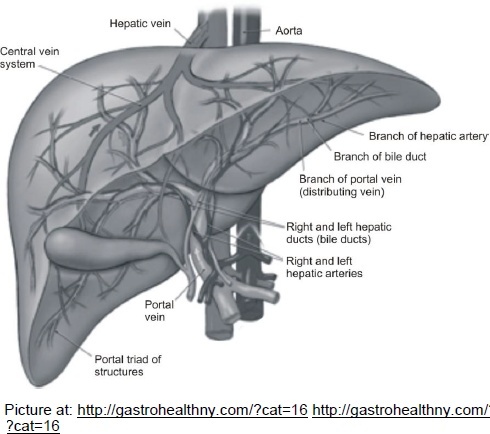
What is the scope of the problem?
Hepatitis B is an infection of the liver caused by the hepatitis B virus (HBV). It is estimated that 350 million individuals worldwide are infected with the virus, which causes 620,000 deaths worldwide each year. According to the Centers for Disease Control (CDC), approximately 46,000 new cases of hepatitis B occurred in the United States in 2006.
In the United States, rates of new infection were highest among people aged 25 to 44 years (3.1 cases per 100,000 population) and lowest among those younger than 15 years of age (0.02 per 100,000). This reflects the major modes of transmission of hepatitis B (sexual transmission, illicit drug use, exposure to infected blood) and the effect of universal vaccination of infants. In the United States, there has been a 75% decrease in newly diagnosed cases of hepatitis B during the past decade. This decrease is attributed to increased vaccination and to heightened public awareness of HIV/AIDS and the resulting safer sexual practices.
When a person first gets hepatitis B, they are said to have an 'acute' infection. Most people are able to eliminate the virus and are cured of the infection. Some are not able to clear the virus and have 'chronic' infection with hepatitis B that is usually life-long. In the United States an estimated 800,000 to 1.4 million people are chronically infected with hepatitis B.
Hepatitis B is found throughout the world. Some countries have much higher rates of infection than the United States; for example, in Southeast Asia and Sub-Saharan Africa, as many as 15% to 20% of adults are chronically infected with hepatitis B.
What kind of a virus is hepatitis B?
The hepatitis B virus is a DNA virus, meaning that its genetic material is made up of deoxyribonucleic acids. It belongs to a family of viruses known as Hepadnaviridae. The virus is primarily found in the liver but is also present in the blood and certain body fluids. Hepatitis B virus consists of a core particle (central portion) and a surrounding envelope (outer coat). The core is made up of DNA and the core antigen (HBcAg). The envelope contains the surface antigen (HBsAg). These antigens are present in the blood and are markers that are used in the diagnosis and evaluation of patients with suspected viral hepatitis.
How does hepatitis B virus cause liver injury?
The hepatitis B virus reproduces in liver cells, but the virus itself is not the direct cause of damage to the liver. Rather, the presence of the virus triggers an immune response from the body as the body tries to eliminate the virus and recover from the infection. This immune response causes inflammation and may seriously injure liver cells. Therefore, there is a balance between the protective and destructive effects of the immune response to the hepatitis B virus.
http://www.medicinenet.com/hepatitis_b/article.htm
In the United States in 2006
Questão 28 105172
FAMEVAÇO Tipo A 2014/1What is hepatitis?
The term 'hepatitis' simply means inflammation of the liver. Hepatitis may be caused by a virus or a toxin such as alcohol. Other viruses that can cause injury to liver cells include the hepatitis A and hepatitis C viruses. These viruses are not related to each other or to hepatitis B virus and differ in their structure, the ways they are spread among individuals, the severity of symptoms they can cause, the way they are treated, and the outcome of the infection.
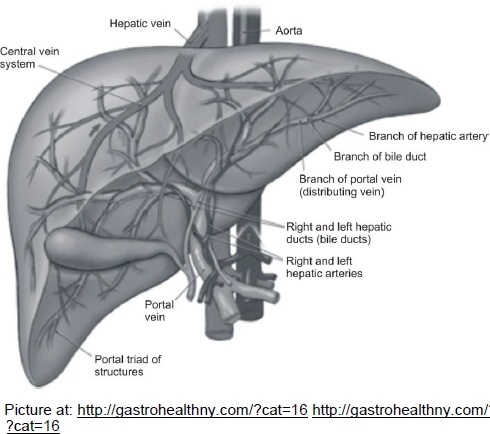
What is the scope of the problem?
Hepatitis B is an infection of the liver caused by the hepatitis B virus (HBV). It is estimated that 350 million individuals worldwide are infected with the virus, which causes 620,000 deaths worldwide each year. According to the Centers for Disease Control (CDC), approximately 46,000 new cases of hepatitis B occurred in the United States in 2006.
In the United States, rates of new infection were highest among people aged 25 to 44 years (3.1 cases per 100,000 population) and lowest among those younger than 15 years of age (0.02 per 100,000). This reflects the major modes of transmission of hepatitis B (sexual transmission, illicit drug use, exposure to infected blood) and the effect of universal vaccination of infants. In the United States, there has been a 75% decrease in newly diagnosed cases of hepatitis B during the past decade. This decrease is attributed to increased vaccination and to heightened public awareness of HIV/AIDS and the resulting safer sexual practices.
When a person first gets hepatitis B, they are said to have an 'acute' infection. Most people are able to eliminate the virus and are cured of the infection. Some are not able to clear the virus and have 'chronic' infection with hepatitis B that is usually life-long. In the United States an estimated 800,000 to 1.4 million people are chronically infected with hepatitis B.
Hepatitis B is found throughout the world. Some countries have much higher rates of infection than the United States; for example, in Southeast Asia and Sub-Saharan Africa, as many as 15% to 20% of adults are chronically infected with hepatitis B.
What kind of a virus is hepatitis B?
The hepatitis B virus is a DNA virus, meaning that its genetic material is made up of deoxyribonucleic acids. It belongs to a family of viruses known as Hepadnaviridae. The virus is primarily found in the liver but is also present in the blood and certain body fluids. Hepatitis B virus consists of a core particle (central portion) and a surrounding envelope (outer coat). The core is made up of DNA and the core antigen (HBcAg). The envelope contains the surface antigen (HBsAg). These antigens are present in the blood and are markers that are used in the diagnosis and evaluation of patients with suspected viral hepatitis.
How does hepatitis B virus cause liver injury?
The hepatitis B virus reproduces in liver cells, but the virus itself is not the direct cause of damage to the liver. Rather, the presence of the virus triggers an immune response from the body as the body tries to eliminate the virus and recover from the infection. This immune response causes inflammation and may seriously injure liver cells. Therefore, there is a balance between the protective and destructive effects of the immune response to the hepatitis B virus.
http://www.medicinenet.com/hepatitis_b/article.htm
According to the article, Hepatitis A virus and Hepatitis C virus
Questão 31 105115
FAMEVAÇO Tipo A 2014/2Chocolate could prevent obesity and diabetes, study suggests
Thursday 3 April 2014 - 8am PST More than a third of US adults are obese and are, therefore, at higher risk of type 2 diabetes. But new research suggests a surprising prevention strategy for both conditions - eating chocolate.
In a mouse study, led by Andrew P. Neilson of the Department of Food Science and Technology at Virginia Polytechnic Institute and State University, researchers discovered that a certain antioxidant in cocoa - the main ingredient in chocolate - prevented mice from gaining weight and lowered their blood sugar levels.
This is not the only study to suggest that consuming chocolate can prevent such health conditions.
Earlier this year, Medical News Today reported on a study claiming that chocolate, as well as wine and berries, protects against type 2 diabetes, while other research found that teens who eat lots of chocolate tend to be slimmer.
Such studies claim that the reason chocolate may have these health benefits is because of the flavanols it contains. These are types of antioxidants.
But the researchers of this most recent study say that not all flavanols are the same. In fact, cocoa has several different types.
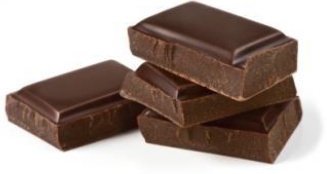
Good news for chocolate lovers: a certain flavanol in cocoa may help prevent obesity and type 2 diabetes.
In their study, published in the Journal of Agricultural Food and Chemistry, the investigators set out to determine exactly which flavanol may be responsible for preventing weight gain and lowering blood glucose levels.
Oligomeric procyandins most effective
The research team found that a high-fat diet supplemented with oligomeric PCs was the most effective for maintaining weight of the mice and improving glucose tolerance - a factor that could help prevent type 2 diabetes.
Commenting on the findings, the researchers say:
"Oligomeric PCs appear to possess the greatest antiobesity and antidiabetic bioactivities of the flavanols in cocoa, particularly at the low doses employed for the present study.
Additional studies of prolonged feeding of flavanol fractions in vivo are needed to further identify the fractions with the highest bioactivities and, therefore, the greatest potential for translation to human clinical applications at reasonable doses."
The investigators point out that the doses of flavanols used in this study are significantly lower than doses used in past research and are more feasible when translated into flavanol levels for human consumption.
"Therefore, our data suggest that moderate doses of cocoa flavanols or cocoa powder have the potential to be more effective in human clinical trials than previously thought," they add.
According to previous research, the health benefits of chocolate may reach further than decreasing the likelihood of obesity and type 2 diabetes. Medical News Today recently reported on a study claiming that eating 70 g of dark chocolate every day could reduce the risk of atherosclerosis - the thickening and hardening of the arteries.
But interestingly, this study did not attribute this benefit to the flavanols that chocolate contains. Study participants ate either regular dark chocolate or chocolate with added flavanols. Both types of chocolate had the same effect.
"We provide a more complete picture of the impact of chocolate consumption in vascular health and show that increasing flavanol content has no added beneficial effect on vascular health," says study researcher Prof. Diederik Esser, of the Top Institute Food and Nutrition and the Division of Human Nutrition at Wageningen University, both in the Netherlands.
Other research claims that hot chocolate could help prevent memory decline. Again, the researchers say this finding was not down to flavanols.
Written by Honor Whiteman
Found at http://www.medicalnewstoday.com/articles/275008.php , Accessed on 25 May, 2014, edited.
The researchers are studying the possibility of chocolate helping prevent all the ills listed below, EXCEPT:
06