


![[Marketing] Questao Topo - deslogado](https://storage.estuda.com.br/banners/0_6b7ebee90b03af1c560c73bb8bcce34a_banner_deslogado_70_dias.png)
Questões de Inglês
19.971 Questões
Questão 68 8345610
FUVEST (USP) 2023TEXTO PARA A QUESTÃO.
The expression “dark doldrums” chills the hearts of renewable-energy engineers, who use it to refer to the lulls when solar panels and wind turbines are thwarted by clouds, night, or still air. On a bright, cloudless day, a solar farm can generate prodigious amounts of electricity. But at night solar cells do little, and in calm air turbines sit useless.
The dark doldrums make it difficult for us to rely totally on renewable energy. Power companies need to plan not just for individual storms or windless nights but for difficulties that can stretch for days. Last year, Europe experienced a weekslong “wind drought,” and in 2006 Hawaii endured six weeks of consecutive rainy days. On a smaller scale, communities that want to go all-renewable need to fill the gaps. The obvious solution is batteries, which power everything from mobile phones to electric vehicles; they are relatively inexpensive to make and getting cheaper. But typical models exhaust their stored energy after only three or four hours of maximum output, and—as every smartphone owner knows—their capacity dwindles with each recharge. Moreover, it is expensive to collect enough batteries to cover longer discharges.
We already have one kind of renewable energy storage: more than ninety per cent of the world’s energy-storage capacity is in reservoirs, as part of a technology called pumped-storage hydropower, used to smooth out sharp increases in electricity demand. Motors pump water uphill from a river or a reservoir to a higher reservoir; when the water is released downhill, it spins a turbine, generating power. A pumped-hydro installation is like a giant, permanent battery, charged when water is pumped uphill and depleted as it flows down. Some countries are expanding their use of pumped hydro, but the right geography is hard to find, permits are difficult to obtain, and construction is slow and expensive. The hunt is on for new approaches to energy storage.
The New Yorker. Abril, 2022. Adaptado.
No texto, a expressão “dark doldrums” descreve
Questão 35 8345555
FUVEST (USP) 2023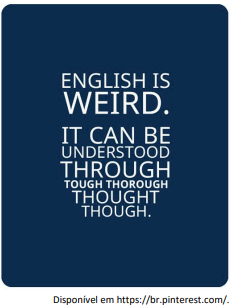
Em relação à compreensão do idioma inglês, o texto ilustra
Questão 34 8345554
FUVEST (USP) 2023TEXTO PARA A QUESTÃO
From French electronic and Japanese indie to K-pop and Spanish jazz, it’s common for people to listen to songs they don’t necessarily understand. Not knowing the language of the lyrics, it seems, doesn’t stop people from liking—and sometimes even singing along to—a song. Unless the listener is looking up the dictionary meaning of the lyrics, then the dictionary meaning of the lyrics doesn’t make or break their appreciation of a song. But why?
“It’s a complicated answer,” said musicologist Lisa Decenteceo, adding that it all starts with what’s called “sound symbolism.” Sound symbolism refers to the study of the relationships between utterances and their meaning. This doesn’t have to do only with music. Marketers, for example, can tune into sound symbolism as part of their strategy in coming up with appealing brand names. In music as well as in branding, Decenteceo explained, there’s something about the appeal of words as sounds, beyond their meaning in a language. While things like culture and personal experiences affect people’s responses to different kinds of music, she explained there are certain musical techniques that are generally used to convey certain moods. One of which is scale. “Songs in a major scale usually have brighter, happier sounds, while minor scales usually have the slightly darker, melancholic feel,” explains Thea Tolentino, a music teacher.
The human brain is wired to respond to sound, she added. In a process called entrainment, the brain “synchronizes our breathing, our movement, even neural activities with the sounds we hear.” This is why fast-paced music is so popular for running, for example, or why some yoga teachers play rhythmic and melodic tracks in their classes. And there are also the things that accompany the words. “Elements of sound and music like pitch, melody, harmony, timbre, and amplitude have an affective, emotional, psychological, cognitive, and even physical impact on listeners. Music adds so much meaning and dimension to texts through a complex of these avenues,” said Decenteceo. What all these things do, she added, is liberate the words. “Song frees the voice from any burden of saying anything meaningful”. It’s important, then, to understand music as a discourse between musical elements. But all in all, Decenteceo said there’s value in whatever immediate appeal people find in the music they listen to, whether or not they understand the words. Music, after all, is the universal language.
Disponível em https://www.vice.com/. March, 2022. Adaptado.
De acordo com o texto, os aspectos físicos relacionados com elementos tanto do som quanto da música são
Questão 33 8345553
FUVEST (USP) 2023TEXTO PARA A QUESTÃO
From French electronic and Japanese indie to K-pop and Spanish jazz, it’s common for people to listen to songs they don’t necessarily understand. Not knowing the language of the lyrics, it seems, doesn’t stop people from liking—and sometimes even singing along to—a song. Unless the listener is looking up the dictionary meaning of the lyrics, then the dictionary meaning of the lyrics doesn’t make or break their appreciation of a song. But why?
“It’s a complicated answer,” said musicologist Lisa Decenteceo, adding that it all starts with what’s called “sound symbolism.” Sound symbolism refers to the study of the relationships between utterances and their meaning. This doesn’t have to do only with music. Marketers, for example, can tune into sound symbolism as part of their strategy in coming up with appealing brand names. In music as well as in branding, Decenteceo explained, there’s something about the appeal of words as sounds, beyond their meaning in a language. While things like culture and personal experiences affect people’s responses to different kinds of music, she explained there are certain musical techniques that are generally used to convey certain moods. One of which is scale. “Songs in a major scale usually have brighter, happier sounds, while minor scales usually have the slightly darker, melancholic feel,” explains Thea Tolentino, a music teacher.
The human brain is wired to respond to sound, she added. In a process called entrainment, the brain “synchronizes our breathing, our movement, even neural activities with the sounds we hear.” This is why fast-paced music is so popular for running, for example, or why some yoga teachers play rhythmic and melodic tracks in their classes. And there are also the things that accompany the words. “Elements of sound and music like pitch, melody, harmony, timbre, and amplitude have an affective, emotional, psychological, cognitive, and even physical impact on listeners. Music adds so much meaning and dimension to texts through a complex of these avenues,” said Decenteceo. What all these things do, she added, is liberate the words. “Song frees the voice from any burden of saying anything meaningful”. It’s important, then, to understand music as a discourse between musical elements. But all in all, Decenteceo said there’s value in whatever immediate appeal people find in the music they listen to, whether or not they understand the words. Music, after all, is the universal language.
Disponível em https://www.vice.com/. March, 2022. Adaptado.
Na frase “there are certain musical techniques that are generally used to convey certain moods” (2º parágrafo), a palavra “convey” poderia ser substituída, sem prejuízo de sentido, por
Questão 20 8340464
UEMA PAES 2023This text refers to question.
How to Stop Eating Sugar
By David Leonhardt
If you’re like most Americans, you eat more sugar than is good for you. But it’s entirely possible to eat less sugar without sacrificing much — if any — of the pleasures of eating. Surprising as it may sound, many people who have cut back on sugar say they find their new eating habits more pleasurable than their old ones. This guide will walk you through why sugar matters, how you can make smart food choices to reduce sugar consumption, and how you can keep your life sweet, even without so many sweets.
Here's why you eat more sugar than you realize, and why it's a problem. The first thing to know: Added sugars, of one kind or another, are almost everywhere in the modern diet. They’re in sandwich bread, chicken stock, pickles, salad dressing, crackers, yogurt and cereal, as well as in the obvious foods and drinks, like soda and desserts.
The biggest problem with added sweeteners is that they make it easy to overeat. They’re tasty and highly caloric but they often don’t make you feel full. Instead, they can trick you into wanting even more food. Because we’re surrounded by added sweeteners — in our kitchens, in restaurants, at schools and offices — most of us will eat too much of them unless we consciously set out to do otherwise.
It’s not an accident. The sugar industry has conducted an aggressive, decades-long campaign to blame the obesity epidemic on fats, not sugars. Fats, after all, seem as if they should cause obesity. Thanks partly to that campaign, sugar consumption soared in the United States even as people were trying to lose weight. But research increasingly indicates that an overabundance of simple carbohydrates, and sugar in particular, is the No. 1 problem in modern diets. Sugar is the driving force behind the diabetes and obesity epidemics. Fortunately, more people are realizing the harms of sugar and cutting back.
[...]
Changing your diet is hard. If your strategy involves thinking about sugar all the time — whenever you’re shopping or eating — you’ll likely fail. You’ll also be miserable in the process. It’s much more effective to come up with a few simple rules and habits that then become second nature. (One strategy to consider: Eliminate all added sugars for one month, and then add back only the ones you miss. It’s easier than it sounds.)
Above all, most people’s goal should be to find a few simple, lasting ways to cut back on sugar. Once you’re done reading this guide, we suggest you choose two or three of our ideas and try them for a few weeks.
https://www.nytimes.com/guides/smarterliving/how-to-stop-eating-sugar (text adapted).
The terms “ones”, in highlighted, found in the first and fifth paragraphs, in the text How to Stop Eating Sugar, refer to
Questão 19 8340463
UEMA PAES 2023This text refers to question.
How to Stop Eating Sugar
By David Leonhardt
If you’re like most Americans, you eat more sugar than is good for you. But it’s entirely possible to eat less sugar without sacrificing much — if any — of the pleasures of eating. Surprising as it may sound, many people who have cut back on sugar say they find their new eating habits more pleasurable than their old ones. This guide will walk you through why sugar matters, how you can make smart food choices to reduce sugar consumption, and how you can keep your life sweet, even without so many sweets.
Here's why you eat more sugar than you realize, and why it's a problem. The first thing to know: Added sugars, of one kind or another, are almost everywhere in the modern diet. They’re in sandwich bread, chicken stock, pickles, salad dressing, crackers, yogurt and cereal, as well as in the obvious foods and drinks, like soda and desserts.
The biggest problem with added sweeteners is that they make it easy to overeat. They’re tasty and highly caloric but they often don’t make you feel full. Instead, they can trick you into wanting even more food. Because we’re surrounded by added sweeteners — in our kitchens, in restaurants, at schools and offices — most of us will eat too much of them unless we consciously set out to do otherwise.
It’s not an accident. The sugar industry has conducted an aggressive, decades-long campaign to blame the obesity epidemic on fats, not sugars. Fats, after all, seem as if they should cause obesity. Thanks partly to that campaign, sugar consumption soared in the United States even as people were trying to lose weight. But research increasingly indicates that an overabundance of simple carbohydrates, and sugar in particular, is the No. 1 problem in modern diets. Sugar is the driving force behind the diabetes and obesity epidemics. Fortunately, more people are realizing the harms of sugar and cutting back.
[...]
Changing your diet is hard. If your strategy involves thinking about sugar all the time — whenever you’re shopping or eating — you’ll likely fail. You’ll also be miserable in the process. It’s much more effective to come up with a few simple rules and habits that then become second nature. (One strategy to consider: Eliminate all added sugars for one month, and then add back only the ones you miss. It’s easier than it sounds.)
Above all, most people’s goal should be to find a few simple, lasting ways to cut back on sugar. Once you’re done reading this guide, we suggest you choose two or three of our ideas and try them for a few weeks.
https://www.nytimes.com/guides/smarterliving/how-to-stop-eating-sugar (text adapted).
The extract “If you’re like most Americans”, in the first paragraph, reflects, in the order of appearance:
06