


![[Marketing] Questao Topo - deslogado](https://storage.estuda.com.br/banners/0_6b7ebee90b03af1c560c73bb8bcce34a_banner_deslogado_70_dias.png)
Questões de Inglês
19.971 Questões
Questão 34 249968
Unit-SE Medicina - Caderno 1 2017TEXTO:
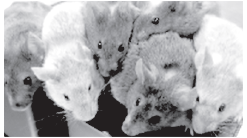
Japanese scientists say they have created healthy
baby mice from eggs they made entirely in the lab using
a sample of mouse skin cells. The pups born from the
eggs appeared to be healthy and were able to go on to
[5] have babies themselves.
Experts say the findings offer future hope of artificial
eggs for couples who need fertility treatment. But they
say many more years of study is needed to make that
leap to humans.
[10] Scientists have already been able to make sperm
in the lab, but for that feat they used an immature
embryonic stem cell, which is known to be able to morph
into any type of cell. Taking a grown-up skin cell and
getting it to change into an egg is more challenging, say
[15] experts. The Japanese team, Prof Katsuhiko Hayashi
and colleagues, took cells from a mouse tail and
reprogrammed these adult cells back into immature ones.
Then, they coaxed these immature stem cells to become
an egg.
[20] Not all of the eggs that they made in the lab were
healthy or viable. But the ones that were could be fertilized
by sperm in a dish. When these fertilized eggs were put
into the wombs of adult female mice, they developed
into apparently healthy babies.
[25] Experts warn there are many barriers to using the
same method in humans. Some are technical, but
arguably the biggest ones are about safety and ethics.
Flaws in artificial eggs might be passed on to future
generations, for example.
[30] Prof Azim Surani has been studying how to turn
human skin cells into the precursors of sperm and eggs
in his lab. He said: “As far as humans are concerned, we
are way behind. We can’t be sure the same will apply
with human cells.”
ROBERTS, Michelle. Health editor, BBC News online. Disponível em: . Acesso em: 12 out. 2016.
As far as humans are concerned, we are way behind.” (l. 32-33) In this sentence, the word “way” means
Questão 33 249966
Unit-SE Medicina - Caderno 1 2017TEXTO:
Japanese scientists say they have created healthy
baby mice from eggs they made entirely in the lab using
a sample of mouse skin cells. The pups born from the
eggs appeared to be healthy and were able to go on to
[5] have babies themselves.
Experts say the findings offer future hope of artificial
eggs for couples who need fertility treatment. But they
say many more years of study is needed to make that
leap to humans.
[10] Scientists have already been able to make sperm
in the lab, but for that feat they used an immature
embryonic stem cell, which is known to be able to morph
into any type of cell. Taking a grown-up skin cell and
getting it to change into an egg is more challenging, say
[15] experts. The Japanese team, Prof Katsuhiko Hayashi
and colleagues, took cells from a mouse tail and
reprogrammed these adult cells back into immature ones.
Then, they coaxed these immature stem cells to become
an egg.
[20] Not all of the eggs that they made in the lab were
healthy or viable. But the ones that were could be fertilized
by sperm in a dish. When these fertilized eggs were put
into the wombs of adult female mice, they developed
into apparently healthy babies.
[25] Experts warn there are many barriers to using the
same method in humans. Some are technical, but
arguably the biggest ones are about safety and ethics.
Flaws in artificial eggs might be passed on to future
generations, for example.
[30] Prof Azim Surani has been studying how to turn
human skin cells into the precursors of sperm and eggs
in his lab. He said: “As far as humans are concerned, we
are way behind. We can’t be sure the same will apply
with human cells.”
ROBERTS, Michelle. Health editor, BBC News online. Disponível em: . Acesso em: 12 out. 2016.
The scientists are _________ about the use of this method in humans in the near future.
The alternative that completes this blank correctly is
Questão 31 249954
Unit-SE Medicina - Caderno 1 2017TEXTO:
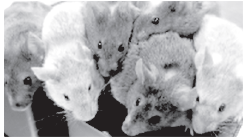
Japanese scientists say they have created healthy
baby mice from eggs they made entirely in the lab using
a sample of mouse skin cells. The pups born from the
eggs appeared to be healthy and were able to go on to
[5] have babies themselves.
Experts say the findings offer future hope of artificial
eggs for couples who need fertility treatment. But they
say many more years of study is needed to make that
leap to humans.
[10] Scientists have already been able to make sperm
in the lab, but for that feat they used an immature
embryonic stem cell, which is known to be able to morph
into any type of cell. Taking a grown-up skin cell and
getting it to change into an egg is more challenging, say
[15] experts. The Japanese team, Prof Katsuhiko Hayashi
and colleagues, took cells from a mouse tail and
reprogrammed these adult cells back into immature ones.
Then, they coaxed these immature stem cells to become
an egg.
[20] Not all of the eggs that they made in the lab were
healthy or viable. But the ones that were could be fertilized
by sperm in a dish. When these fertilized eggs were put
into the wombs of adult female mice, they developed
into apparently healthy babies.
[25] Experts warn there are many barriers to using the
same method in humans. Some are technical, but
arguably the biggest ones are about safety and ethics.
Flaws in artificial eggs might be passed on to future
generations, for example.
[30] Prof Azim Surani has been studying how to turn
human skin cells into the precursors of sperm and eggs
in his lab. He said: “As far as humans are concerned, we
are way behind. We can’t be sure the same will apply
with human cells.”
ROBERTS, Michelle. Health editor, BBC News online. Disponível em: . Acesso em: 12 out. 2016.
The mice mentioned in the text were
Questão 20 249224
UNITINS Tarde 2017/1Read the following text and pay attention to the following image to answer the question:
The New York Times - The Opinion Pages
Brazil’s Merchants of Death
By ROBERT MUGGAH and NATHAN B. THOMPSON OCT. 23, 2016.
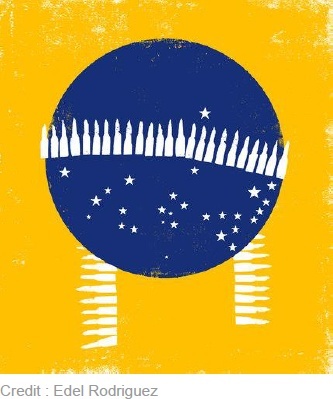
RIO DE JANEIRO — As Brazil weathers the worst political and economic crises in living memory, Brazilians can hardly be blamed for being distracted. But there is a subject that the country’s politicians — and citizens — are not discussing (…).
The fingerprints of Brazil’s largest arms companies are turning up in a growing number of the world’s hot spots, including Yemen, where thousands of civilians are perishing in a punishing war with no end in sight. An investigation last month into Forjas Taurus, the Brazilian firearms manufacturer, revealed that the company supplied weapons to a notorious Yemeni arms dealer. Two (now former) executives of the company — Latin America’s largest — have been charged with illegal arms transfers, though the case remains under seal. Taurus, which is involved in the case only as an interested party, has denied any wrongdoing and says it is working to “clarify the facts.” (…)
The civil war in Yemen has already killed an estimated 10,000 people since early 2015 and displaced more than three million (…).
The two Taurus executives were accused of negotiating a second sale of 11,000 weapons in 2015 when Brazil’s Federal Police moved in.
This is not the first time Brazilian weapons have turned up in the Yemeni conflict. Late last year, researchers discovered unexploded ordnance and cluster bombs in Yemen that are believed to have been purchased from Avibras Indústria Aeroespacial, a São José dos Campos-based company that manufactures cluster rockets and the Astros multiplelaunch rocket system.More than 100 countries have banned the manufacture, stockpiling and use of these weapons because of their potential to cause indiscriminate damage to civilian populations and infrastructure. Brazil is not one of them.
Brazil routinely authorizes weapons sales to countries with poor human rights records. The country has signed major deals not only with Saudi Arabia, but also with Egypt, Libya, Iran, Iraq, the United Arab Emirates, Zimbabwe and dozens of countries across the Middle East and Africa since the 1980s. Brazilian companies have also ramped up sales of “nonlethal” arms such as tear gas, pepper spray and concussion and smoke grenades. Some of these have surfaced in Bahrain, Turkey and Egypt, often in the wake of bloody police-led efforts to crush pro-democracy demonstrations.
Many of Brazil’s arms manufacturers have been heavily subsidized by the Brazilian Development Bank, or BNDES. Freedom of information requests reveal that Taurus received $16.7 million in lowinterest loans between 2008 and 2015. In 2013 alone, the year Taurus reportedly sold the 8,000 handguns to Mr. Mana’a, the company benefited from $10 million in loans from BNDES. The Brazilian Cartridge Company, one of the world’s largest producers of ammunition (and majority shareholder of Taurus), received $2.9 million in loans over this same eight-year period. Brazil’s defense sector, excepting aeronautics, received $70.5 million in BNDES loans from 2008 to 2015. BNDES is now implicated in Brazil’s largest corruption scandal.
One reason Brazilian arms exports are expanding at breakneck speed is because Brazil’s Congress passed a law to promote innovation and competition in a flagging defense sector. The legislation also grants designated companies significant tax exemptions. Brazil is now the fourth largest supplier of small arms and ammunition in the world and second in the Western Hemisphere, after only the United States.
The fact is that no one really knows how many weapons Brazil sells around the world, whether to rights-violating governments or otherwise. The country’s arms export policies are maddeningly nontransparent, lacking adequate oversight and mechanisms to ensure that the people who use the weapons comply with international law (…).
Robert Muggah is the research director of the Igarapé Institute, an independent think tank based in Rio de Janeiro, where Nathan B. Thompson is a researcher.
A version of this op-ed appears in print on October 24,
2016, on page A14 of the New York edition with the headline: Brazil’s merchants of death.
The whole version of this text is available at: http://www.nytimes.com/2016/10/24/opinion/brazilsmerchants- of-death.html - Texto Adaptado
The drawing that illustrates the text suggests:
Questão 18 249218
UNITINS Tarde 2017/1Read the following text and pay attention to the following image to answer the questions:
The New York Times - The Opinion Pages
Brazil’s Merchants of Death
By ROBERT MUGGAH and NATHAN B. THOMPSON OCT. 23, 2016.
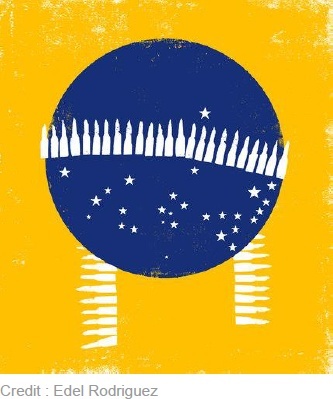
RIO DE JANEIRO — As Brazil weathers the worst political and economic crises in living memory, Brazilians can hardly be blamed for being distracted. But there is a subject that the country’s politicians — and citizens — are not discussing (…).
The fingerprints of Brazil’s largest arms companies are turning up in a growing number of the world’s hot spots, including Yemen, where thousands of civilians are perishing in a punishing war with no end in sight. An investigation last month into Forjas Taurus, the Brazilian firearms manufacturer, revealed that the company supplied weapons to a notorious Yemeni arms dealer. Two (now former) executives of the company — Latin America’s largest — have been charged with illegal arms transfers, though the case remains under seal. Taurus, which is involved in the case only as an interested party, has denied any wrongdoing and says it is working to “clarify the facts.” (…)
The civil war in Yemen has already killed an estimated 10,000 people since early 2015 and displaced more than three million (…).
The two Taurus executives were accused of negotiating a second sale of 11,000 weapons in 2015 when Brazil’s Federal Police moved in.
This is not the first time Brazilian weapons have turned up in the Yemeni conflict. Late last year, researchers discovered unexploded ordnance and cluster bombs in Yemen that are believed to have been purchased from Avibras Indústria Aeroespacial, a São José dos Campos-based company that manufactures cluster rockets and the Astros multiplelaunch rocket system.More than 100 countries have banned the manufacture, stockpiling and use of these weapons because of their potential to cause indiscriminate damage to civilian populations and infrastructure. Brazil is not one of them.
Brazil routinely authorizes weapons sales to countries with poor human rights records. The country has signed major deals not only with Saudi Arabia, but also with Egypt, Libya, Iran, Iraq, the United Arab Emirates, Zimbabwe and dozens of countries across the Middle East and Africa since the 1980s. Brazilian companies have also ramped up sales of “nonlethal” arms such as tear gas, pepper spray and concussion and smoke grenades. Some of these have surfaced in Bahrain, Turkey and Egypt, often in the wake of bloody police-led efforts to crush pro-democracy demonstrations.
Many of Brazil’s arms manufacturers have been heavily subsidized by the Brazilian Development Bank, or BNDES. Freedom of information requests reveal that Taurus received $16.7 million in lowinterest loans between 2008 and 2015. In 2013 alone, the year Taurus reportedly sold the 8,000 handguns to Mr. Mana’a, the company benefited from $10 million in loans from BNDES. The Brazilian Cartridge Company, one of the world’s largest producers of ammunition (and majority shareholder of Taurus), received $2.9 million in loans over this same eight-year period. Brazil’s defense sector, excepting aeronautics, received $70.5 million in BNDES loans from 2008 to 2015. BNDES is now implicated in Brazil’s largest corruption scandal.
One reason Brazilian arms exports are expanding at breakneck speed is because Brazil’s Congress passed a law to promote innovation and competition in a flagging defense sector. The legislation also grants designated companies significant tax exemptions. Brazil is now the fourth largest supplier of small arms and ammunition in the world and second in the Western Hemisphere, after only the United States.
The fact is that no one really knows how many weapons Brazil sells around the world, whether to rights-violating governments or otherwise. The country’s arms export policies are maddeningly nontransparent, lacking adequate oversight and mechanisms to ensure that the people who use the weapons comply with international law (…).
Robert Muggah is the research director of the Igarapé Institute, an independent think tank based in Rio de Janeiro, where Nathan B. Thompson is a researcher.
A version of this op-ed appears in print on October 24,
2016, on page A14 of the New York edition with the headline: Brazil’s merchants of death.
The whole version of this text is available at: http://www.nytimes.com/2016/10/24/opinion/brazilsmerchants- of-death.html - Texto Adaptado
According to the following sentence: “The fact is that no one really knows how many weapons Brazil sells around the world, whether to rights-violating governments or otherwise,”
Questão 17 249216
UNITINS Tarde 2017/1Read the following text and pay attention to the following image to answer the question:
The New York Times - The Opinion Pages
Brazil’s Merchants of Death
By ROBERT MUGGAH and NATHAN B. THOMPSON OCT. 23, 2016.
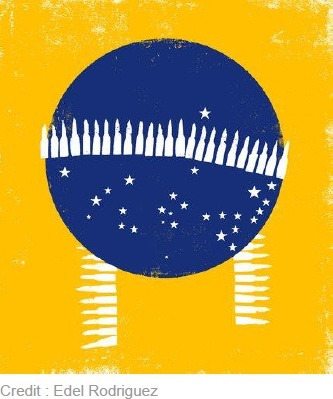
RIO DE JANEIRO — As Brazil weathers the worst political and economic crises in living memory, Brazilians can hardly be blamed for being distracted. But there is a subject that the country’s politicians — and citizens — are not discussing (…).
The fingerprints of Brazil’s largest arms companies are turning up in a growing number of the world’s hot spots, including Yemen, where thousands of civilians are perishing in a punishing war with no end in sight. An investigation last month into Forjas Taurus, the Brazilian firearms manufacturer, revealed that the company supplied weapons to a notorious Yemeni arms dealer. Two (now former) executives of the company — Latin America’s largest — have been charged with illegal arms transfers, though the case remains under seal. Taurus, which is involved in the case only as an interested party, has denied any wrongdoing and says it is working to “clarify the facts.” (…)
The civil war in Yemen has already killed an estimated 10,000 people since early 2015 and displaced more than three million (…).
The two Taurus executives were accused of negotiating a second sale of 11,000 weapons in 2015 when Brazil’s Federal Police moved in.
This is not the first time Brazilian weapons have turned up in the Yemeni conflict. Late last year, researchers discovered unexploded ordnance and cluster bombs in Yemen that are believed to have been purchased from Avibras Indústria Aeroespacial, a São José dos Campos-based company that manufactures cluster rockets and the Astros multiplelaunch rocket system.More than 100 countries have banned the manufacture, stockpiling and use of these weapons because of their potential to cause indiscriminate damage to civilian populations and infrastructure. Brazil is not one of them.
Brazil routinely authorizes weapons sales to countries with poor human rights records. The country has signed major deals not only with Saudi Arabia, but also with Egypt, Libya, Iran, Iraq, the United Arab Emirates, Zimbabwe and dozens of countries across the Middle East and Africa since the 1980s. Brazilian companies have also ramped up sales of “nonlethal” arms such as tear gas, pepper spray and concussion and smoke grenades. Some of these have surfaced in Bahrain, Turkey and Egypt, often in the wake of bloody police-led efforts to crush pro-democracy demonstrations.
Many of Brazil’s arms manufacturers have been heavily subsidized by the Brazilian Development Bank, or BNDES. Freedom of information requests reveal that Taurus received $16.7 million in lowinterest loans between 2008 and 2015. In 2013 alone, the year Taurus reportedly sold the 8,000 handguns to Mr. Mana’a, the company benefited from $10 million in loans from BNDES. The Brazilian Cartridge Company, one of the world’s largest producers of ammunition (and majority shareholder of Taurus), received $2.9 million in loans over this same eight-year period. Brazil’s defense sector, excepting aeronautics, received $70.5 million in BNDES loans from 2008 to 2015. BNDES is now implicated in Brazil’s largest corruption scandal.
One reason Brazilian arms exports are expanding at breakneck speed is because Brazil’s Congress passed a law to promote innovation and competition in a flagging defense sector. The legislation also grants designated companies significant tax exemptions. Brazil is now the fourth largest supplier of small arms and ammunition in the world and second in the Western Hemisphere, after only the United States.
The fact is that no one really knows how many weapons Brazil sells around the world, whether to rights-violating governments or otherwise. The country’s arms export policies are maddeningly nontransparent, lacking adequate oversight and mechanisms to ensure that the people who use the weapons comply with international law (…).
Robert Muggah is the research director of the Igarapé Institute, an independent think tank based in Rio de Janeiro, where Nathan B. Thompson is a researcher.
A version of this op-ed appears in print on October 24,
2016, on page A14 of the New York edition with the headline: Brazil’s merchants of death.
The whole version of this text is available at: http://www.nytimes.com/2016/10/24/opinion/brazilsmerchants- of-death.html - Texto Adaptado
According to the following sentence: “ Brazil is now the fourth largest supplier of small arms and ammunition in the world and second in the Western Hemisphere, after only the United States,”
06