


![[Marketing] Questao Topo - deslogado](https://storage.estuda.com.br/banners/0_6b7ebee90b03af1c560c73bb8bcce34a_banner_deslogado_70_dias.png)
Questões de Inglês
19.971 Questões
Questão 34 461529
UNIPE 1° Dia 2017/1
In this quote, Dr. Mehmet Oz
Questão 33 461526
UNIPE 1° Dia 2017/1TEXTO:
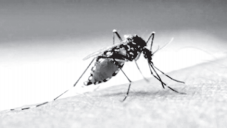
Scientists have found a potential treatment option
for Zika that may protect babies from developing a severe
birth defect, according to a new study from Yale University.
The researchers found that the virus disrupts pTBK1,
[5] a protein that helps spur cell division in the growing brain.
This causes the cells—which are essential for setting
up the structure of the brain—to die, instead of multiply,
and the virus also attacks these neural stem cells directly.
Without these crucial cells, the brain isn’t able to fully
[10] develop, and microcephaly occurs.
Armed with this new understanding, the researchers
decided to test out a few existing antiviral treatments.
Some of these treatments were ineffective on the lab
cells, others actually made the infection worse, but two
[15] managed to stop the replication of Zika virus cells,
protecting the neural stem cells from further damage.
One of the treatments, Sofosbuvir, is already an FDAapproved
drug used to treat Hepatitis C. Though this is
promising, a lot more work needs to be done before a
[20] Zika treatment is confirmed, the researchers cautioned.
Zika has been spreading rapidly throughout Latin
America since the outbreak was first identified in Brazil
last year. Currently, 56 nations are
experiencing outbreaks, according to the CDC (Centers
[25] for Disease Control), and local transmission arrived in
Miami earlier this summer. Though the vast majority of
people infected with Zika have no symptoms, or only get
a mild flu-like infection, Zika can cause microcephaly in
some pregnant women and that threat has caused the
[30] greatest concern. Children born with microcephaly can
have physical and developmental disabilities or face early
death or miscarriage.
Luckily, research like this helps us understand how
Zika works, which means that, even if Sofusbuvir isn’t
[35] the right option, scientists now have a better chance at
finding a treatment that does work. Combined with
ongoing research on vector control and the rapid
development of a vaccine, there’s hope that future children
can be protected from Zika.
SCIENTISTS have. Disponível em: <motherboard.vice.com/read/scientistshave-found-a-possible-way-to-protect babies-from-zika>. Acesso em: 12 out. 2016
Considering language use in the text, it’s correct to say:
Questão 32 461524
UNIPE 1° Dia 2017/1TEXTO:
Scientists have found a potential treatment option
for Zika that may protect babies from developing a severe
birth defect, according to a new study from Yale University.
The researchers found that the virus disrupts pTBK1,
[5] a protein that helps spur cell division in the growing brain.
This causes the cells—which are essential for setting
up the structure of the brain—to die, instead of multiply,
and the virus also attacks these neural stem cells directly.
Without these crucial cells, the brain isn’t able to fully
[10] develop, and microcephaly occurs.
Armed with this new understanding, the researchers
decided to test out a few existing antiviral treatments.
Some of these treatments were ineffective on the lab
cells, others actually made the infection worse, but two
[15] managed to stop the replication of Zika virus cells,
protecting the neural stem cells from further damage.
One of the treatments, Sofosbuvir, is already an FDAapproved
drug used to treat Hepatitis C. Though this is
promising, a lot more work needs to be done before a
[20] Zika treatment is confirmed, the researchers cautioned.
Zika has been spreading rapidly throughout Latin
America since the outbreak was first identified in Brazil
last year. Currently, 56 nations are
experiencing outbreaks, according to the CDC (Centers
[25] for Disease Control), and local transmission arrived in
Miami earlier this summer. Though the vast majority of
people infected with Zika have no symptoms, or only get
a mild flu-like infection, Zika can cause microcephaly in
some pregnant women and that threat has caused the
[30] greatest concern. Children born with microcephaly can
have physical and developmental disabilities or face early
death or miscarriage.
Luckily, research like this helps us understand how
Zika works, which means that, even if Sofusbuvir isn’t
[35] the right option, scientists now have a better chance at
finding a treatment that does work. Combined with
ongoing research on vector control and the rapid
development of a vaccine, there’s hope that future children
can be protected from Zika.
SCIENTISTS have. Disponível em: <motherboard.vice.com/read/scientistshave-found-a-possible-way-to-protect babies-from-zika>. Acesso em: 12 out. 2016
The only question to which there is no answer in the text is
Questão 28 461516
UNIPE 1° Dia 2017/1TEXTO:
Scientists have found a potential treatment option
for Zika that may protect babies from developing a severe
birth defect, according to a new study from Yale University.
The researchers found that the virus disrupts pTBK1,
[5] a protein that helps spur cell division in the growing brain.
This causes the cells—which are essential for setting
up the structure of the brain—to die, instead of multiply,
and the virus also attacks these neural stem cells directly.
Without these crucial cells, the brain isn’t able to fully
[10] develop, and microcephaly occurs.
Armed with this new understanding, the researchers
decided to test out a few existing antiviral treatments.
Some of these treatments were ineffective on the lab
cells, others actually made the infection worse, but two
[15] managed to stop the replication of Zika virus cells,
protecting the neural stem cells from further damage.
One of the treatments, Sofosbuvir, is already an FDAapproved
drug used to treat Hepatitis C. Though this is
promising, a lot more work needs to be done before a
[20] Zika treatment is confirmed, the researchers cautioned.
Zika has been spreading rapidly throughout Latin
America since the outbreak was first identified in Brazil
last year. Currently, 56 nations are
experiencing outbreaks, according to the CDC (Centers
[25] for Disease Control), and local transmission arrived in
Miami earlier this summer. Though the vast majority of
people infected with Zika have no symptoms, or only get
a mild flu-like infection, Zika can cause microcephaly in
some pregnant women and that threat has caused the
[30] greatest concern. Children born with microcephaly can
have physical and developmental disabilities or face early
death or miscarriage.
Luckily, research like this helps us understand how
Zika works, which means that, even if Sofusbuvir isn’t
[35] the right option, scientists now have a better chance at
finding a treatment that does work. Combined with
ongoing research on vector control and the rapid
development of a vaccine, there’s hope that future children
can be protected from Zika.
SCIENTISTS have. Disponível em: <motherboard.vice.com/read/scientistshave-found-a-possible-way-to-protect babies-from-zika>. Acesso em: 12 out. 2016
The researchers from Yale University
Questão 27 461503
UNIPE 1° Dia 2017/1TEXTO:
Scientists have found a potential treatment option
for Zika that may protect babies from developing a severe
birth defect, according to a new study from Yale University.
The researchers found that the virus disrupts pTBK1,
[5] a protein that helps spur cell division in the growing brain.
This causes the cells—which are essential for setting
up the structure of the brain—to die, instead of multiply,
and the virus also attacks these neural stem cells directly.
Without these crucial cells, the brain isn’t able to fully
[10] develop, and microcephaly occurs.
Armed with this new understanding, the researchers
decided to test out a few existing antiviral treatments.
Some of these treatments were ineffective on the lab
cells, others actually made the infection worse, but two
[15] managed to stop the replication of Zika virus cells,
protecting the neural stem cells from further damage.
One of the treatments, Sofosbuvir, is already an FDAapproved
drug used to treat Hepatitis C. Though this is
promising, a lot more work needs to be done before a
[20] Zika treatment is confirmed, the researchers cautioned.
Zika has been spreading rapidly throughout Latin
America since the outbreak was first identified in Brazil
last year. Currently, 56 nations are
experiencing outbreaks, according to the CDC (Centers
[25] for Disease Control), and local transmission arrived in
Miami earlier this summer. Though the vast majority of
people infected with Zika have no symptoms, or only get
a mild flu-like infection, Zika can cause microcephaly in
some pregnant women and that threat has caused the
[30] greatest concern. Children born with microcephaly can
have physical and developmental disabilities or face early
death or miscarriage.
Luckily, research like this helps us understand how
Zika works, which means that, even if Sofusbuvir isn’t
[35] the right option, scientists now have a better chance at
finding a treatment that does work. Combined with
ongoing research on vector control and the rapid
development of a vaccine, there’s hope that future children
can be protected from Zika.
SCIENTISTS have. Disponível em: <motherboard.vice.com/read/scientistshave-found-a-possible-way-to-protect babies-from-zika>. Acesso em: 12 out. 2016
Microcephaly can be defined as
Questão 26 461501
UNIPE 1° Dia 2017/1TEXTO:
Like many a diet before it, the Paleo diet relies on a
set of rules claiming to be based on science. People
swear by it and in theory it makes sense, but is it actually
practical?
[5] Paleo harkens back to the days of a different time;
the caveman era. The diet lays out an eating plan that
mimics the way our ancestors ate hundreds of years
ago. The idea is that modern day diseases like obesity,
diabetes, and heart disease are all the result of
[10] processed foods. Things like grains, dairy, legumes, salt,
and sugar which have entered our diets thanks to the
agrarian revolution are all eliminated from the diet. What’s
left? Meat, fish, and veggies. Think of it as retro dieting.
This all sounds sensical and smart, but it also
[15] throws out foods that do have real nutritional value.
Calcium, vitamin D, magnesium, and phosphorous in
dairy, and fiber, antioxidants, and B vitamins in grains. In
addition, legumes are a fantastic source of protein and
fiber that also happens to be low fat. The nutrients in
[20] these forbidden foods can lower cholesterol and blood
pressure as well as reduce risk of heart disease and
osteoporosis.
If you have weight problems to begin with and you’re
used to eating lots of processed fatty food, any diet is
[25] likely to help you lose weight Paleo included. Which is a
good thing since obesity is becoming a major epidemic.
The problem with Paleo is that it eliminates things
that are healthy like low fat yogurt, for example. It also
neglects to address portion control, a key element in
[30] losing weight. There’s also no mention of saturated fat
which is a major artery clogger. It would be easy to cut
out grains and just fill up on meats with no concern for
your heart.
Last but not least, the diet forgets one major thing;
[35] we’re human! In the Paleo diet, there’s no room for
cupcakes or fettuccine Alfredo or peanut butter and jelly?
Enjoying delicious food and savoring it is one of life’s
pleasures. In fact, its one of your senses. Sure one may
need to lose weight, but it’s also important to maintain
[40] balance. So go ahead and cut out unhealthy foods. Just
don’t forget to eat that cookie every once in a while.
LIKE MANY a diet. Disponível em: <www.newszoom.com/mens-health/ does-the-paleo-diet-work/>. Acesso em : 12. out. 2016.
Considering language use in the text, it’s correct to say
06