


![[Marketing] Questao Topo - deslogado](https://storage.estuda.com.br/banners/0_6b7ebee90b03af1c560c73bb8bcce34a_banner_deslogado_70_dias.png)
Questões de Inglês
19.971 Questões
Questão 2 184484
ITA 2018GOODBYE THINGS, HELLO MINIMALISM: CAN LIVING WITH LESS MAKE YOU HAPPIER?
Fumio Sasaki owns a roll-up mattress, three shirts and four pairs of socks. After deciding to scorn possessions, he began feeling happier. He explains why.
[1] Let me tell you a bit about myself. I’m 35 years old, male, single, never been married. I work as an
editor at a publishing company. I recently moved from the Nakameguro neighbourhood in Tokyo, where I
lived for a decade, to a neighbourhood called Fudomae in a different part of town. The rent is cheaper, but
the move pretty much wiped out my savings.
[5] Some of you may think that I’m a loser: an unmarried adult with not much money. The old me would
have been way too embarrassed to admit all this. I was filled with useless pride. But I honestly don’t care
about things like that any more. The reason is very simple: I’m perfectly happy just as I am. The reason? I got
rid of most of my material possessions.
Minimalism is a lifestyle in which you reduce your possessions to the least possible. Living with only
[10] the bare essentials has not only provided superficial benefits such as the pleasure of a tidy room or the
simple ease of cleaning, it has also led to a more fundamental shift. It’s given me a chance to think about
what it really means to be happy.
We think that the more we have, the happier we will be. We never know what tomorrow might bring, so
we collect and save as much as we can. This means we need a lot of money, so we gradually start judging
[15] people by how much money they have. You convince yourself that you need to make a lot of money so you
don’t miss out on success. And for you to make money, you need everyone else to spend their money. And
so it goes.
So I said goodbye to a lot of things, many of which I’d had for years. And yet now I live each day with a
happier spirit. I feel more content now than I ever did in the past.
[20] I wasn’t always a minimalist. I used to buy a lot of things, believing that all those possessions would
increase my self-worth and lead to a happier life. I loved collecting a lot of useless stuff, and I couldn’t throw
anything away. I was a natural hoarder of knick-knacks that I thought made me an interesting person.
At the same time, though, I was always comparing myself with other people who had more or better
things, which often made me miserable. I couldn’t focus on anything, and I was always wasting time. Alcohol
[25] was my escape, and I didn’t treat women fairly. I didn’t try to change; I thought this was all just part of who I
was, and I deserved to be unhappy.
My apartment wasn’t horribly messy; if my girlfriend was coming over for the weekend, I could do
enough tidying up to make it look presentable. On a usual day, however, there were books stacked
everywhere because there wasn’t enough room on my bookshelves. Most I had thumbed through once or
[30] twice, thinking that I would read them when I had the time.
The closet was crammed with what used to be my favourite clothes, most of which I’d only worn a few
times. The room was filled with all the things I’d taken up as hobbies and then gotten tired of. A guitar and
amplifier, covered with dust. Conversational English workbooks I’d planned to study once I had more free
time. Even a fabulous antique camera, which of course I had never once put a roll of film in.
[35] It may sound as if I’m exaggerating when I say I started to become a new person. Someone said to
me: “All you did is throw things away,” which is true. But by having fewer things around, I’ve started feeling
happier each day. I’m slowly beginning to understand what happiness is.
[38] If you are anything like I used to be – miserable, constantly comparing yourself with others, or just
believing your life sucks – I think you should try saying goodbye to some of your things. […] Everyone wants
to be happy. But trying to buy happiness only makes us happy for a little while.
Fonte: adaptado de . Acesso em: 21 mai. 2017.
Antes da mudança, Fumio acumulava bens materiais porque
Questão 1 184479
ITA 2018As questões de 1 a 6 referem-se ao texto a seguir:
GOODBYE THINGS, HELLO MINIMALISM: CAN LIVING WITH LESS MAKE YOU HAPPIER?
Fumio Sasaki owns a roll-up mattress, three shirts and four pairs of socks. After deciding to scorn possessions, he began feeling happier. He explains why.
[1] Let me tell you a bit about myself. I’m 35 years old, male, single, never been married. I work as an
editor at a publishing company. I recently moved from the Nakameguro neighbourhood in Tokyo, where I
lived for a decade, to a neighbourhood called Fudomae in a different part of town. The rent is cheaper, but
the move pretty much wiped out my savings.
[5] Some of you may think that I’m a loser: an unmarried adult with not much money. The old me would
have been way too embarrassed to admit all this. I was filled with useless pride. But I honestly don’t care
about things like that any more. The reason is very simple: I’m perfectly happy just as I am. The reason? I got
rid of most of my material possessions.
Minimalism is a lifestyle in which you reduce your possessions to the least possible. Living with only
[10] the bare essentials has not only provided superficial benefits such as the pleasure of a tidy room or the
simple ease of cleaning, it has also led to a more fundamental shift. It’s given me a chance to think about
what it really means to be happy.
We think that the more we have, the happier we will be. We never know what tomorrow might bring, so
we collect and save as much as we can. This means we need a lot of money, so we gradually start judging
[15] people by how much money they have. You convince yourself that you need to make a lot of money so you
don’t miss out on success. And for you to make money, you need everyone else to spend their money. And
so it goes.
So I said goodbye to a lot of things, many of which I’d had for years. And yet now I live each day with a
happier spirit. I feel more content now than I ever did in the past.
[20] I wasn’t always a minimalist. I used to buy a lot of things, believing that all those possessions would
increase my self-worth and lead to a happier life. I loved collecting a lot of useless stuff, and I couldn’t throw
anything away. I was a natural hoarder of knick-knacks that I thought made me an interesting person.
At the same time, though, I was always comparing myself with other people who had more or better
things, which often made me miserable. I couldn’t focus on anything, and I was always wasting time. Alcohol
[25] was my escape, and I didn’t treat women fairly. I didn’t try to change; I thought this was all just part of who I
was, and I deserved to be unhappy.
My apartment wasn’t horribly messy; if my girlfriend was coming over for the weekend, I could do
enough tidying up to make it look presentable. On a usual day, however, there were books stacked
everywhere because there wasn’t enough room on my bookshelves. Most I had thumbed through once or
[30] twice, thinking that I would read them when I had the time.
The closet was crammed with what used to be my favourite clothes, most of which I’d only worn a few
times. The room was filled with all the things I’d taken up as hobbies and then gotten tired of. A guitar and
amplifier, covered with dust. Conversational English workbooks I’d planned to study once I had more free
time. Even a fabulous antique camera, which of course I had never once put a roll of film in.
[35] It may sound as if I’m exaggerating when I say I started to become a new person. Someone said to
me: “All you did is throw things away,” which is true. But by having fewer things around, I’ve started feeling
happier each day. I’m slowly beginning to understand what happiness is.
[38] If you are anything like I used to be – miserable, constantly comparing yourself with others, or just
believing your life sucks – I think you should try saying goodbye to some of your things. […] Everyone wants
to be happy. But trying to buy happiness only makes us happy for a little while.
Fonte: adaptado de . Acesso em: 21 mai. 2017.
De acordo com o texto, Fumio
Questão 36 182990
UDESC Manhã 2018/1
I have a confession. I’m addicted to reality TV. I can’t get enough of it.
Very soon the new series of ITV’s Love Island will be starting and I’m literally counting down the days until it’s on my TV screen. It’s a show that sends single people abroad to live in a luxurious villa in the sun. The audience at home then watches their highs and lows, their arguments and how their relationships and friendships form and fall apart.
Love Island is just the tip of a huge reality TV iceberg. Other popular British programmes (which I also love) include I’m a Celebrity ... Get me Out of Here!, Big Brother and Geordie Shore. All these shows have something in common: people seem to either love them or hate them.
Perhaps we love them so much because they actually use real people instead of characters. Series and films with actors are great to watch but they aren’t real and we’re aware of that. With reality TV we can become more invested and more interested because the ‘characters’ are real and (usually) not acting.
Maybe we love reality TV because the people featured more often than not show the extremes of our society. Shows featuring ‘normal’ people or non-celebrities often include people with intense personalities who are bound to clash. Big Brother, which follows the lives of people living in a house together away from the outside world, always includes contestants with a range of personalities. It can be fascinating for us viewers to watch real people who perhaps wouldn’t usually interact with each other as they try to live together.
However, reality TV isn’t popular with everyone. Some people consider it sad to watch it. I’ve often heard people say that if you watch reality TV, it’s a sign that your own life is boring. Why watch someone else’s life when you have your own to live? Why would you want to sit at home and watch someone else arguing about silly things on the TV?
Some people don’t like reality TV because they believe it doesn’t show true reality. The people in these programmes are regularly accused of acting and you often see a phrase flash up somewhere during the opening or closing credits informing that parts are scripted or set up. Viewers can feel cheated that the ‘reality’ they are watching isn’t completely real after all.
Whether you love or hate reality TV, it cannot be denied that this genre has increased in popularity over time, and while I understand it can be set up sometimes, I’m still so excited for Love Island to be back on our screens!
(Accessed on August 14th, 2017) http://learnenglishteens.britishcouncil.org/magazine By Megan Blogger
Mark the correct alternative according to the use of the underlined words in the Text
Questão 35 182988
UDESC Manhã 2018/1Match the columns.
1. Why isn´t reality TV popular with everyone? ( ) People featured show the extremes of their society.
2. What can you often see during the opening or closing credits? ( ) People seem to either love them or hate them.
3. What do the British shows have in common? ( ) Some people consider it sad to watch it.
4. Why do they love reality show? ( ) A phrase flash up somewhere informing that parts are scripted or set up.
Mark the correct sequence, from top to bottom.
Questão 32 182983
UDESC Manhã 2018/1TEXT 2

I have a confession. I’m addicted to reality TV. I can’t get enough of it.
Very soon the new series of ITV’s Love Island will be starting and I’m literally counting down the days until it’s on my TV screen. It’s a show that sends single people abroad to live in a luxurious villa in the sun. The audience at home then watches their highs and lows, their arguments and how their relationships and friendships form and fall apart.
Love Island is just the tip of a huge reality TV iceberg. Other popular British programmes (which I also love) include I’m a Celebrity ... Get me Out of Here!, Big Brother and Geordie Shore. All these shows have something in common: people seem to either love them or hate them.
Perhaps we love them so much because they actually use real people instead of characters. Series and films with actors are great to watch but they aren’t real and we’re aware of that. With reality TV we can become more invested and more interested because the ‘characters’ are real and (usually) not acting.
Maybe we love reality TV because the people featured more often than not show the extremes of our society. Shows featuring ‘normal’ people or non-celebrities often include people with intense personalities who are bound to clash. Big Brother, which follows the lives of people living in a house together away from the outside world, always includes contestants with a range of personalities. It can be fascinating for us viewers to watch real people who perhaps wouldn’t usually interact with each other as they try to live together.
However, reality TV isn’t popular with everyone. Some people consider it sad to watch it. I’ve often heard people say that if you watch reality TV, it’s a sign that your own life is boring. Why watch someone else’s life when you have your own to live? Why would you want to sit at home and watch someone else arguing about silly things on the TV?
Some people don’t like reality TV because they believe it doesn’t show true reality. The people in these programmes are regularly accused of acting and you often see a phrase flash up somewhere during the opening or closing credits informing that parts are scripted or set up. Viewers can feel cheated that the ‘reality’ they are watching isn’t completely real after all.
Whether you love or hate reality TV, it cannot be denied that this genre has increased in popularity over time, and while I understand it can be set up sometimes, I’m still so excited for Love Island to be back on our screens!
(Accessed on August 14th, 2017) http://learnenglishteens.britishcouncil.org/magazine By Megan Blogger
Answer the questions below according to Text 2.
Mark the alternative which best substitutes consecutively the words in bold.
Questão 30 182980
UDESC Manhã 2018/1TEXT 1
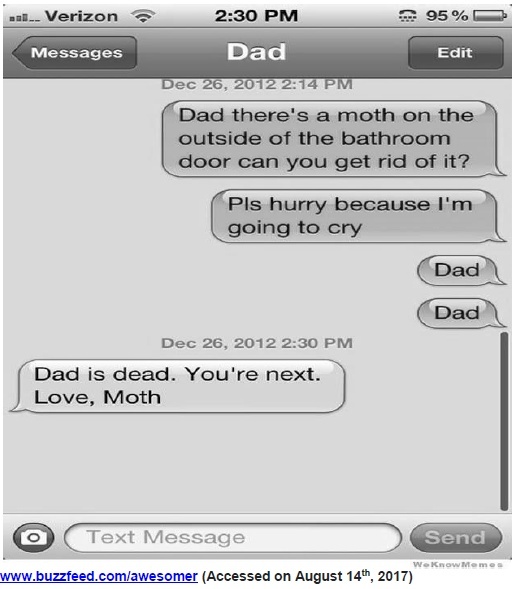
The expression “get rid of ” means:
06