


![[Marketing] Questao Topo - deslogado](https://storage.estuda.com.br/banners/0_6b7ebee90b03af1c560c73bb8bcce34a_banner_deslogado_70_dias.png)
Questões de Inglês
19.971 Questões
Questão 6 7202840
PUC-GO 2018/2TEXTO
Vagabundo
Eat, drink, and love; what can the rest avail us?
Byron — Don Juan
Eu durmo e vivo no sol como um cigano,
Fumando meu cigarro vaporoso;
Nas noites de verão namoro estrelas;
Sou pobre, sou mendigo e sou ditoso!
Ando roto, sem bolsos nem dinheiro;
Mas tenho na viola uma riqueza:
Canto à lua de noite serenatas,
E quem vive de amor não tem pobreza.
Não invejo ninguém, nem ouço a raiva
Nas cavernas do peito, sufocante,
Quando à noite na treva em mim se entornam
Os reflexos do baile fascinante.
Namoro e sou feliz nos meus amores;
Sou garboso e rapaz... Uma criada
Abrasada de amor por um soneto
Já um beijo me deu subindo a escada...
Oito dias lá vão que ando cismado
Na donzela que ali defronte mora.
Ela ao ver-me sorri tão docemente!
Desconfio que a moça me namora!...
Tenho por meu palácio as longas ruas;
Passeio a gosto e durmo sem temores;
Quando bebo, sou rei como um poeta,
E o vinho faz sonhar com os amores.
O degrau das igrejas é meu trono,
Minha pátria é o vento que respiro,
Minha mãe é a lua macilenta,
E a preguiça a mulher por quem suspiro.
Escrevo na parede as minhas rimas,
De painéis a carvão adorno a rua;
Como as aves do céu e as flores puras
Abro meu peito ao sol e durmo à lua.
Sinto-me um coração de lazzaroni;
Sou filho do calor, odeio o frio,
Não creio no diabo nem nos santos...
Rezo a Nossa Senhora e sou vadio!
Ora, se por aí alguma bela
Bem doirada e amante da preguiça
Quiser a nívea mão unir à minha
Há de achar-me na Sé, domingo, à Missa.
(AZEVEDO, Álvares de. Melhores poemas. 6. ed. 1. reimpr. São Paulo: Global, 2008. p.71 -73.)
In the quotation “Eat, drink, and love; what can the rest avail us?” by Byron — Don Juan (Text), the three first verbs are in the imperative (eat, drink, love). This verbal tense is used to tell or ask somebody what to do, to offer, to give advice or instructions and to express wishes for people’s comfort.
Based on the uses, choose the correct alternative in which the imperative is an offer:
Questão 21 7030076
UNIVESP 2018/2Leia o texto para responder a questão.
Dying to defend the planet: why Latin America
is the deadliest place for environmentalists
February 11, 2017
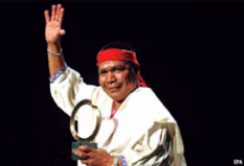
Defending nature is a dangerous occupation, especially in Latin America. According to a recent report by Global Witness, an NGO, 185 environmental activists were murdered worldwide in 2015, an increase of 59% from the year before. More than half the killings were in Latin America. In Brazil 50 green campaigners died in 2015. Honduras is especially dangerous: 123 activists have died there since 2010, the highest number of any country relative to its population. Berta Cáceres, an indigenous leader who was a prominent campaigner against dams and plantations, was murdered there.
Why is Latin America so deadly? One reason is its abundant natural resources, which attract enterprises of all sorts, from multinationals to mafias. When prices are low, as they are now, the most rapacious do not go away; to maintain their profits they become more aggressive, says David Kaimowitz of the Ford Foundation, which gives money to good causes. New technologies open up new battlefronts. Soya beans bred to grow in tropical conditions have encouraged farmers to displace cattle ranchers, who in turn have advanced into the rainforest. Small prospectors can now extract gold from soil rather than just hunting around. That opens up new areas for exploitation, such as San Rafael de Flores in south-eastern Guatemala, where activists have been murdered.
The odds of finding the criminals are greater if the victim is foreign. Dorothy Stang, an American nun who fought to protect the Amazon rainforest, was killed in Brazil 12 years ago. Both the gunman and a rancher who had hired him eventually went to jail. But that is an exception.
(https://www.economist.com/the-americas/2017/02/11/ why-latin-america-is-the-deadliest-place-for-environmentalists. Adaptado)
De acordo com o terceiro parágrafo, o assassino da freira e defensora da floresta amazônica, Dorothy Stang,
Questão 20 7030068
UNIVESP 2018/2Leia o texto para responder a questão.
Dying to defend the planet: why Latin America
is the deadliest place for environmentalists
February 11, 2017
Defending nature is a dangerous occupation, especially in Latin America. According to a recent report by Global Witness, an NGO, 185 environmental activists were murdered worldwide in 2015, an increase of 59% from the year before. More than half the killings were in Latin America. In Brazil 50 green campaigners died in 2015. Honduras is especially dangerous: 123 activists have died there since 2010, the highest number of any country relative to its population. Berta Cáceres, an indigenous leader who was a prominent campaigner against dams and plantations, was murdered there.
Why is Latin America so deadly? One reason is its abundant natural resources, which attract enterprises of all sorts, from multinationals to mafias. When prices are low, as they are now, the most rapacious do not go away; to maintain their profits they become more aggressive, says David Kaimowitz of the Ford Foundation, which gives money to good causes. New technologies open up new battlefronts. Soya beans bred to grow in tropical conditions have encouraged farmers to displace cattle ranchers, who in turn have advanced into the rainforest. Small prospectors can now extract gold from soil rather than just hunting around. That opens up new areas for exploitation, such as San Rafael de Flores in south-eastern Guatemala, where activists have been murdered.
The odds of finding the criminals are greater if the victim is foreign. Dorothy Stang, an American nun who fought to protect the Amazon rainforest, was killed in Brazil 12 years ago. Both the gunman and a rancher who had hired him eventually went to jail. But that is an exception.
(https://www.economist.com/the-americas/2017/02/11/ why-latin-america-is-the-deadliest-place-for-environmentalists. Adaptado)
No trecho do segundo parágrafo – That opens up new areas for exploitation, such as San Rafael de Flores in southeastern Guatemala – a expressão em destaque introduz
Questão 19 7030057
UNIVESP 2018/2Leia o texto para responder a questão.
Dying to defend the planet: why Latin America
is the deadliest place for environmentalists
February 11, 2017
Defending nature is a dangerous occupation, especially in Latin America. According to a recent report by Global Witness, an NGO, 185 environmental activists were murdered worldwide in 2015, an increase of 59% from the year before. More than half the killings were in Latin America. In Brazil 50 green campaigners died in 2015. Honduras is especially dangerous: 123 activists have died there since 2010, the highest number of any country relative to its population. Berta Cáceres, an indigenous leader who was a prominent campaigner against dams and plantations, was murdered there.
Why is Latin America so deadly? One reason is its abundant natural resources, which attract enterprises of all sorts, from multinationals to mafias. When prices are low, as they are now, the most rapacious do not go away; to maintain their profits they become more aggressive, says David Kaimowitz of the Ford Foundation, which gives money to good causes. New technologies open up new battlefronts. Soya beans bred to grow in tropical conditions have encouraged farmers to displace cattle ranchers, who in turn have advanced into the rainforest. Small prospectors can now extract gold from soil rather than just hunting around. That opens up new areas for exploitation, such as San Rafael de Flores in south-eastern Guatemala, where activists have been murdered.
The odds of finding the criminals are greater if the victim is foreign. Dorothy Stang, an American nun who fought to protect the Amazon rainforest, was killed in Brazil 12 years ago. Both the gunman and a rancher who had hired him eventually went to jail. But that is an exception.
(https://www.economist.com/the-americas/2017/02/11/ why-latin-america-is-the-deadliest-place-for-environmentalists. Adaptado)
No trecho do segundo parágrafo – Small prospectors can now extract gold from soil rather than just hunting around – a expressão em destaque equivale, em português, a
Questão 17 7030030
UNIVESP 2018/2Leia o texto para responder a questão.
Dying to defend the planet: why Latin America
is the deadliest place for environmentalists
February 11, 2017
Defending nature is a dangerous occupation, especially in Latin America. According to a recent report by Global Witness, an NGO, 185 environmental activists were murdered worldwide in 2015, an increase of 59% from the year before. More than half the killings were in Latin America. In Brazil 50 green campaigners died in 2015. Honduras is especially dangerous: 123 activists have died there since 2010, the highest number of any country relative to its population. Berta Cáceres, an indigenous leader who was a prominent campaigner against dams and plantations, was murdered there.
Why is Latin America so deadly? One reason is its abundant natural resources, which attract enterprises of all sorts, from multinationals to mafias. When prices are low, as they are now, the most rapacious do not go away; to maintain their profits they become more aggressive, says David Kaimowitz of the Ford Foundation, which gives money to good causes. New technologies open up new battlefronts. Soya beans bred to grow in tropical conditions have encouraged farmers to displace cattle ranchers, who in turn have advanced into the rainforest. Small prospectors can now extract gold from soil rather than just hunting around. That opens up new areas for exploitation, such as San Rafael de Flores in south-eastern Guatemala, where activists have been murdered.
The odds of finding the criminals are greater if the victim is foreign. Dorothy Stang, an American nun who fought to protect the Amazon rainforest, was killed in Brazil 12 years ago. Both the gunman and a rancher who had hired him eventually went to jail. But that is an exception.
(https://www.economist.com/the-americas/2017/02/11/ why-latin-america-is-the-deadliest-place-for-environmentalists. Adaptado)
No trecho do primeiro parágrafo – Berta Cáceres, an indigenous leader who was a prominent campaigner against dams and plantations, was murdered there –, o termo em destaque se refere a
Questão 16 7029968
UNIVESP 2018/2Leia o texto para responder a questão.
Dying to defend the planet: why Latin America
is the deadliest place for environmentalists
February 11, 2017
Defending nature is a dangerous occupation, especially in Latin America. According to a recent report by Global Witness, an NGO, 185 environmental activists were murdered worldwide in 2015, an increase of 59% from the year before. More than half the killings were in Latin America. In Brazil 50 green campaigners died in 2015. Honduras is especially dangerous: 123 activists have died there since 2010, the highest number of any country relative to its population. Berta Cáceres, an indigenous leader who was a prominent campaigner against dams and plantations, was murdered there.
Why is Latin America so deadly? One reason is its abundant natural resources, which attract enterprises of all sorts, from multinationals to mafias. When prices are low, as they are now, the most rapacious do not go away; to maintain their profits they become more aggressive, says David Kaimowitz of the Ford Foundation, which gives money to good causes. New technologies open up new battlefronts. Soya beans bred to grow in tropical conditions have encouraged farmers to displace cattle ranchers, who in turn have advanced into the rainforest. Small prospectors can now extract gold from soil rather than just hunting around. That opens up new areas for exploitation, such as San Rafael de Flores in south-eastern Guatemala, where activists have been murdered.
The odds of finding the criminals are greater if the victim is foreign. Dorothy Stang, an American nun who fought to protect the Amazon rainforest, was killed in Brazil 12 years ago. Both the gunman and a rancher who had hired him eventually went to jail. But that is an exception.
(https://www.economist.com/the-americas/2017/02/11/ why-latin-america-is-the-deadliest-place-for-environmentalists. Adaptado)
De acordo com o primeiro parágrafo, a ONG Global Witness afirma que, em 2015,
06