


![[Marketing] Questao Topo - deslogado](https://storage.estuda.com.br/banners/0_6b7ebee90b03af1c560c73bb8bcce34a_banner_deslogado_70_dias.png)
Questões de EFAF Inglês
6.497 Questões
Questão 9022647
EPCAR EPCAR 2017 1 FaseU PMI 2017Most common prejudices
What are some of the most common ways people discriminate against each other? Some of the areas where people show their intolerance are well- known, such as race. But others (01) are less acknowledged, even if more common:
Age: Ageism (02) is more common than you think. Older people are thought to be inflexible and stuck in the past, while younger people are seen as inexperienced and naive. (03) One-fifth of working adults say they experience ageism in the workplace (04) (05).
Class: Classism usually takes the form of discrimination by wealthier people against those who are less well off. However, classism goes both ways - people of lower economic status can see the wealthy as elite snobs who, while monetarily secure, are morally bankrupt.
Color: Different from racism, colorism is discrimination based only on the color of a person’s skin; how relatively dark or light they are. Colorism takes place within and between races. It is common in multi-ethnic and non-white societies and societies with historical racial prejudice.
Ability: (06)Usually called ableism, a less well-known form of prejudice (07) is discrimination against people with visible disabilities such as (08) those in wheelchairs or with a learning disability (09). The disabled face discrimination not only from their peers, but from institutions, schools, employers, and landowners who are hesitant to accommodate the disabled.
Sex/Gender: Possibly the most universal and long running prejudice is that based on a person’s gender or sex. Historically, sexism has placed men in a more advantageous position than women.
Weight/Size: In short, sizeism is discrimination based on (10) a person’s body size or weight(11). Sizeism works with social standards of beauty and usually takes the form of discrimination against the overweight — anti-fat prejudice.
Religion: Religious discrimination and persecution(12) has been common throughout history. But (13) prejudice based on religious affiliation (14) doesn’t end with organized religion; (15) atheists are prone to discrimination and being discriminated (16) against.
Sexual orientation: Most commonly, prejudice based on sexual orientation includes discrimination against those of a non-heterosexual orientation. Discrimination against the non-heterosexual takes many forms depending on the society. In some societies prejudice is open and tolerated, but in most Western societies, bias against the non-heterosexual is more discreet.
Country of origin: Nativism is a common form of discrimination against immigrants to a country. Unlike many other forms of discrimination, nativism is many times encouraged and enforced by some public entities.
(17)Which prejudice do you have" (18) Which prejudice have you experienced"
(Adapted from https://aloftyexistence.wordpress.com)
Glossary
acknowledged - reconhecidos (as)
stuck - presos (as)
bankrupt - falidos (as)
peers - pares; colegas
landowners - proprietários (as)
prone - propensos (as)
bias - julgamento ou opinião parcial
Questão 8361353
FATEC FATEC 2017 Gerais 2017
Here’s how long you can work before your brain shuts down
I’m having a hard time starting this article. According to research out of the University of Melbourne, that might be because I’m middle-aged and work too much. Economists determined that burning the midnight oil makes you, well, dumber.” Our study highlights that too much work can have adverse effects on cognitive functioning,” they conclude.
Tell us something we didn’t know. Who hasn’t, at the end of a seemingly endless workweek, found themselves staring blankly at their computer screen or into space unable to remember what they had for lunch, let alone form a coherent thought about the task at hand?
For some employees, of course - the average resident physician or, these days, that “gig economy” worker who makes ends meet by banging away at multiple projects - long hours are a fact of modern working life. And there’s a cost. Medical researchers have shown that working too much can affect employees’ physical and mental health.
So how much is too much? For people age 40 and older, working up to roughly 25 hours per week boosts memory, the ability to quickly process information and other aspects of cognitive function, according to the study, which drew on a longitudinal survey that tracks the well-being of 6,000 Australians. Beyond 25 hours a week, the middle-aged brain doesn’t work as well, the study indicates, noting that the findings apply to both men and women.
(<http://tinyurl.com/j4os8ck> Acesso em: 24.08.2016. Adaptado.)
Glossário
to shut down: parar de operar/funcionar.
physician: médico.
gig economy: ambiente de trabalho baseado em empregos temporários e contratos de curta duração.
A respeito do autor, o primeiro parágrafo nos informa que ele
Here’s how long you can work before your brain shuts down
I’m having a hard time starting this article. According to research out of the University of Melbourne, that might be because I’m middle-aged and work too much. Economists determined that burning the midnight oil makes you, well, dumber.” Our study highlights that too much work can have adverse effects on cognitive functioning,” they conclude.
Tell us something we didn’t know. Who hasn’t, at the end of a seemingly endless workweek, found themselves staring blankly at their computer screen or into space unable to remember what they had for lunch, let alone form a coherent thought about the task at hand?
For some employees, of course - the average resident physician or, these days, that “gig economy” worker who makes ends meet by banging away at multiple projects - long hours are a fact of modern working life. And there’s a cost. Medical researchers have shown that working too much can affect employees’ physical and mental health.
So how much is too much? For people age 40 and older, working up to roughly 25 hours per week boosts memory, the ability to quickly process information and other aspects of cognitive function, according to the study, which drew on a longitudinal survey that tracks the well-being of 6,000 Australians. Beyond 25 hours a week, the middle-aged brain doesn’t work as well, the study indicates, noting that the findings apply to both men and women.
(<http://tinyurl.com/j4os8ck> Acesso em: 24.08.2016. Adaptado.)
Glossário
to shut down: parar de operar/funcionar.
physician: médico.
gig economy: ambiente de trabalho baseado em empregos temporários e contratos de curta duração.
Questão 8361352
FATEC FATEC 2017 Gerais 2017Considere o cartum.
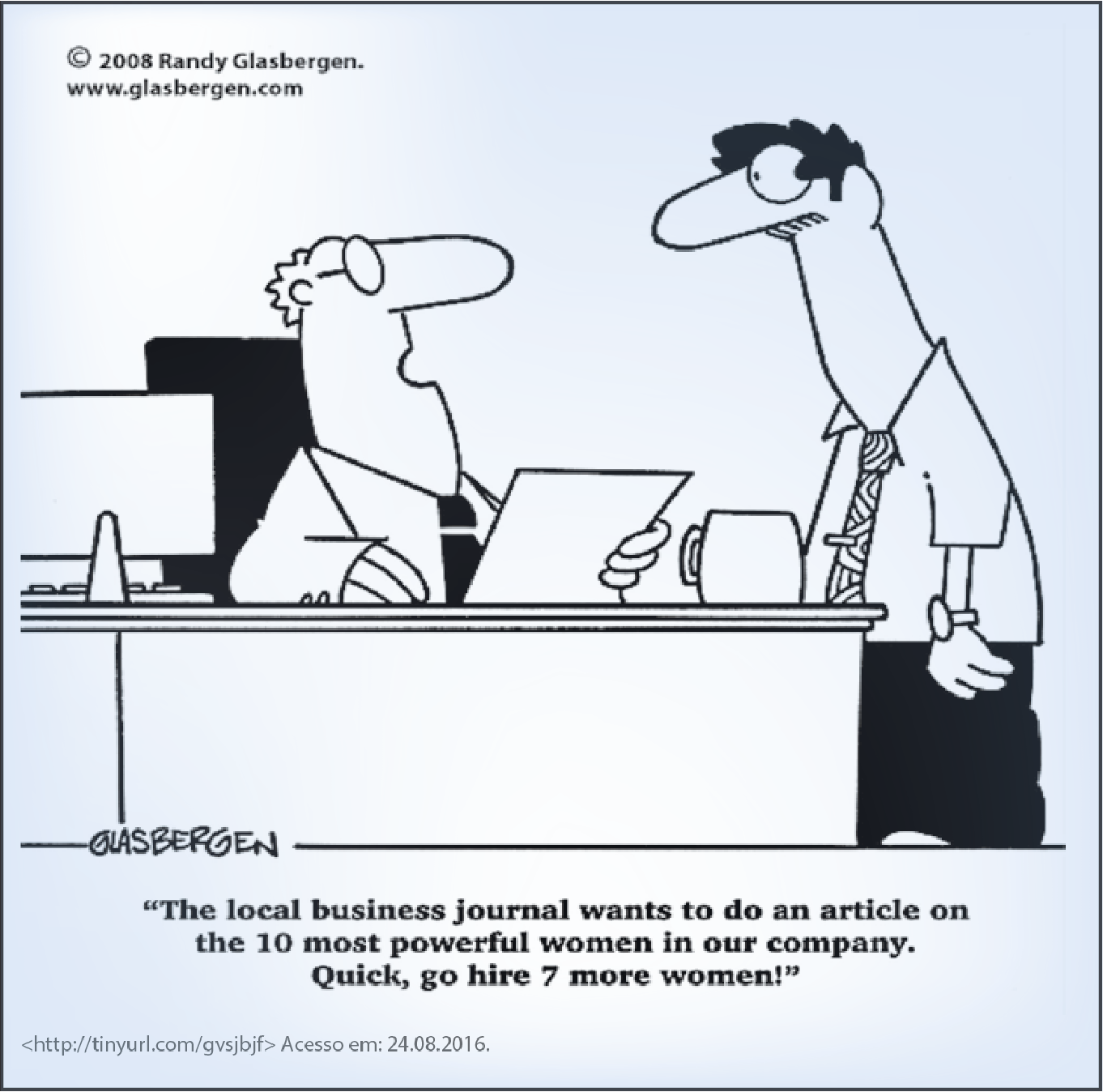
De acordo com o texto do cartum,
Questão 8361308
ENCCEJA (PPL) ENCCEJA (PPL) 2017 1 FaseU EM-LIN 2017
(Disponível em: http://web.mta.info. Acesso em: set. .)
Os transportes públicos, em geral, divulgam mensagens a seus usuários. Nessa mensagem, o objetivo é
Questão 8361304
ENCCEJA ENCCEJA 2017 1 FaseU EM-LIN 2017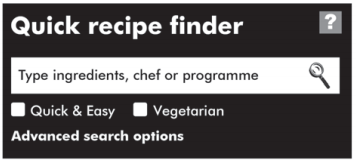
(Disponível em: www.bbc.co.uk. Acesso em: 12 ago. 2014.)
Essa ferramenta de busca on-line auxilia pessoas interessadas em
Questão 8361303
ENCCEJA ENCCEJA 2017 1 FaseU EM-LIN 2017Tomato purée is a thick, red paste or concentrate made from crushed tomato pulp that has been cooked and reduced. It is widely produced and used in Mediterranean countries, where it is added to dishes to give them a bright colour and a pronounced tomato flavour.

(Disponível em: www.bbc.co.uk. Acesso em: 27 jul. 2014.)
O assunto abordado no texto passa pela definição de extrato de tomate para chegar na
06